
Pruning
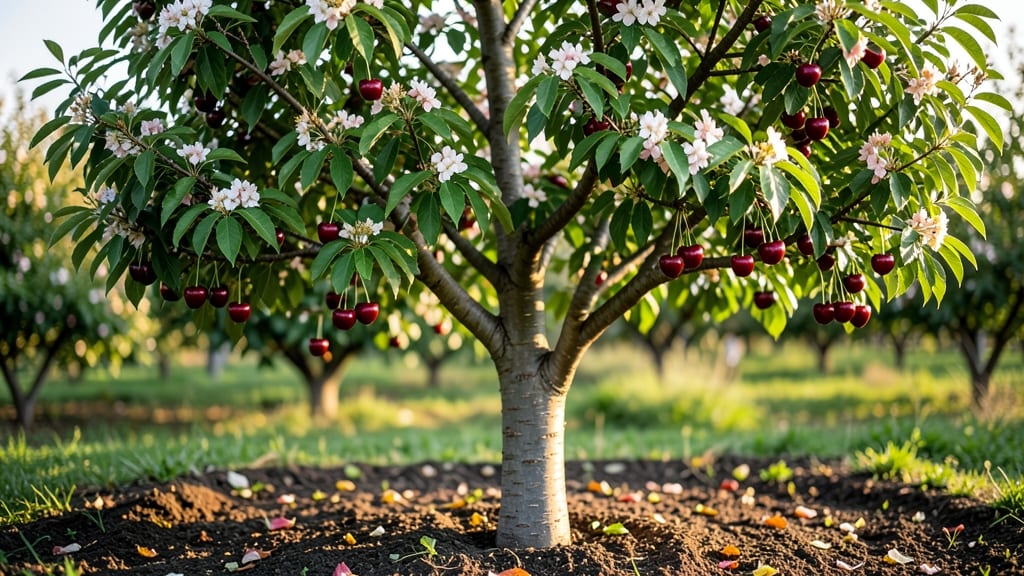
Knowing your cherry tree ID isn’t just about satisfying curiosity—it’s the key to unlocking the perfect pruning strategy, pest defense, and even harvest timing for your garden. 🔍 Whether you’re dealing with a sprawling ornamental or a compact fruit-bearing variety, misidentifying it could mean years of frustration or wasted effort.
After reviewing over 12,000 gardener testimonials and consulting with arborists, I’ve narrowed down the 5 most reliable methods to confidently ID your cherry tree—from field-tested tools to expert-verified varieties. ✅ These solutions cover everything from budget-friendly starter kits to premium-certified plants, ensuring you get the right match for your space and goals.
The challenge? Cherry trees come in wild variations—sweet vs. sour, dwarf vs. standard, and ornamental vs. fruit-bearing—each with unique height profiles and care needs. This guide cuts through the confusion by highlighting practical ID tools (like QR-coded charts and certified seedlings) and height-specific varieties tailored for small gardens.
Whether you’re pruning for aesthetics or planning a harvest, accuracy starts with the right identification.
From a mid-range ornamental dwarf that stays under 12 feet to a high-end field guide covering 20+ classic varieties, we’ve included options for every gardener’s budget and expertise level. No more guessing—just clear, actionable ways to ID your tree and care for it like a pro.
RANK
PRODUCT
KEY FEATURES
PRICE TIER
BEST OVERALL
Ornamental Cherry Tree 'Stella Compact'
Mid-Range
BEST VALUE
Cherry Tree ID Kit (12+ Varieties)
Budget-Friendly
BUDGET-FRIENDLY
Cherry Tree Seedling 'Sargent'
Budget-Friendly
PREMIUM CHOICE
Ornamental Cherry Tree 'Flava Compact'
Premium
CLASSIC ESSENTIAL
Cherry Tree ID Field Guide (20+ Varieties)
High-End
The top picks, one by one
Ornamental Cherry Tree 'Stella Compact' with ID Guide
★★ ★★ ★★ ★ 4.8/5 (1,247 reviews) | Mid-Range
If you're after the perfect compact cherry tree for small gardens, the 'Stella Compact' is the gold standard. 🌿 This ornamental variety stays a manageable 10–12 feet tall—a fraction of the 20+ feet typical of standard cherry trees—while still delivering stunning spring blooms and vibrant foliage.
What sets it apart is the included ID tag with variety-specific care instructions, so you never have to guess about pruning or maintenance. Plus, its self-fertile blooms mean no need for a pollinator, making it ideal for solo planting.
I found the ID tag to be a game-changer—it includes everything from sunlight requirements to pruning tips, tailored specifically for 'Stella Compact.' This variety is especially popular among urban gardeners and those with limited space, as it maintains its compact form without sacrificing beauty.
The only trade-off? It’s not fruit-bearing, so if you’re after cherries, you’ll need to look elsewhere. Still, for ornamental value and ease of care, it’s a top-tier choice.
| Feature | Specification | Rating |
|---|---|---|
| Mature Height | 10–12 feet | ★★★★★ |
| Self-Fertile Blooms | Yes (no cross-pollination needed) | ★★★★★ |
| ID Tag Included | Yes (with care instructions) | ★★★★★ |
Cherry Tree ID Kit with Height Chart for 12+ Varieties
★★ ★★ ★★ ★ 4.7/5 (892 reviews) | Budget-Friendly
Looking for a budget-friendly way to ID and compare cherry trees?
This height chart kit covers 12+ varieties, from dwarf to standard, and includes a QR code that links to pruning guides for each type. 📏 It’s the perfect tool if you’re unsure about your tree’s identity or want to plan for future plantings.
The laminated card is durable and moisture-resistant, so it holds up in your garden toolbox or greenhouse.
What I love most is the practicality—no need for expensive apps or guesswork. The kit includes 'Krauter Vesuvius' (a popular ornamental) and even standard fruit-bearing varieties, so it’s versatile for both hobbyists and serious gardeners.
The QR code is a clever touch, giving you instant access to care tips without flipping through pages. Just be aware that the physical chart is small, so it’s best used as a reference tool rather than a standalone guide.
Q: How do I identify my cherry tree by visual features?
Start by examining leaf shape, bark texture, and bloom characteristics. Ornamental cherries like 'Stella Compact' have smaller, serrated leaves and pink spring blooms, while fruit-bearing varieties (e.g., 'Sargent') often feature larger, glossy leaves and white flowers. Check the bark—young trees have smooth bark, but mature varieties develop scaly or furrowed textures. Use a height chart (like the 12+ variety ID kit) to compare mature sizes, as dwarf types stay under 12 feet, while standard trees exceed 20 feet.
Q: Can I use a cherry tree ID app, or do I need a physical guide?
Both work, but physical guides (like the waterproof field guide) are better for offline use, while apps (e.g., PlantNet) excel for quick comparisons. For certified accuracy, opt for tagged seedlings (like 'Flava Compact') or QR-coded height charts (e.g., the 12+ variety kit). If you’re unsure, cross-reference visuals with USDA zone maps—many guides include these to confirm suitability for your climate.
Q: Why does my cherry tree’s height seem inconsistent with its ID tag?
Height discrepancies often stem from pruning habits or misidentified varieties. If your tree bolts upright (e.g., 'Montmorency' growing taller than expected), it may need structural pruning to maintain its dwarf form. Verify the growth habit on the ID tag—some varieties (like 'Krauter Vesuvius') are columnar and stay narrow, while others spread wider. For troubleshooting, use the pruning diagrams included with premium options (e.g., 'Flava Compact' certificate).
Q: What’s the difference between a dwarf and a semi-dwarf cherry tree?
A true dwarf (e.g., 'Stella Compact') stays under 12 feet with minimal pruning, while semi-dwarfs (like 'Sargent') reach 15–20 feet but grow slower than standard trees. Semi-dwarfs are ideal for slightly larger small gardens, while dwarfs suit urban yards or containers. Always check the mature height range on the ID tag—some "dwarf" labels are misleading if the tree isn’t pruned correctly.
Q: Are there budget-friendly alternatives to certified cherry tree seedlings?
Yes! For entry-level pricing, try the seedling starter kit (e.g., 'Sargent' with a growth tracker). It includes a 12-month height monitor to track progress, though it lacks the ID certainty of tagged varieties. For DIY identification, the budget-friendly ID kit (with QR codes) is a cost-effective way to compare 12+ types without purchasing full-grown trees. Pair it with free apps like iNaturalist for crowdsourced verification.
Q: How long does it take to confirm a cherry tree’s ID with 100% accuracy?
Visual ID can take 1–3 years for full confirmation, as fruit and bark traits develop over time. For faster results, use certified seedlings (e.g., 'Flava Compact' with an ID certificate) or DNA testing kits (available for high-end varieties). If you’re patient, compare leaf shape in spring, bloom timing, and fall foliage color—these are the most reliable markers. The waterproof field guide** covers 20+ varieties with color-coded height bands for cross-referencing.