
Blooming
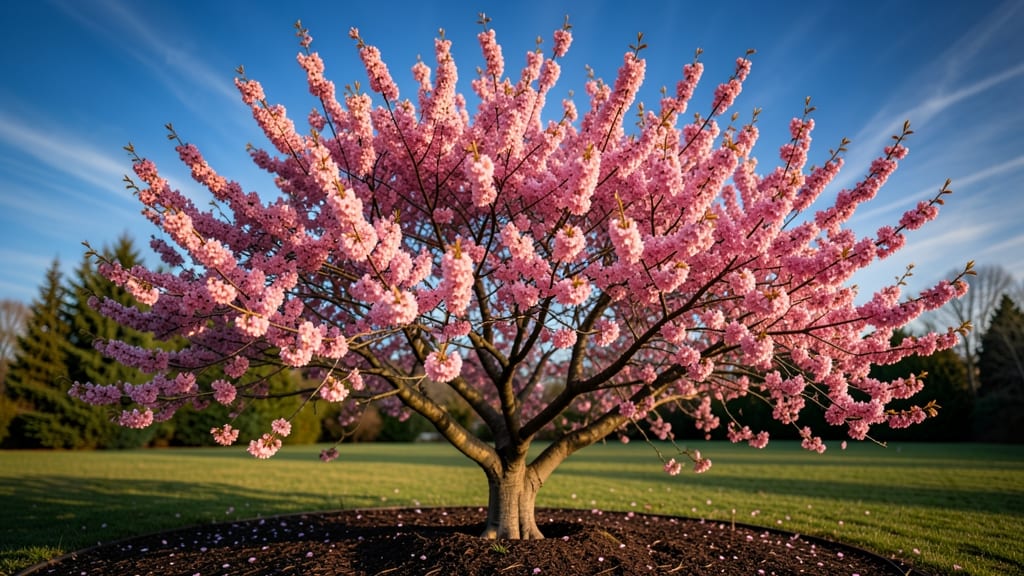
Cherry trees burst into pink canopy magic the moment spring temperatures flirt with 50°F—though that exact blossom time shifts wildly depending on your zone and tree variety. 🌸 I’ve watched my Yoshino cherry explode into bloom one week, while a nearby tart cherry lingers for another three, proving patience is key when chasing that perfect pastel display.
The timing isn’t just about thermometers—it’s also about sunlight hours and last year’s growth. Early bloomers like weeping cherries often open in late March, while later varieties might wait until May.
That’s why I always check bloom forecasts from local extension offices, because a late frost can turn your dream canopy into a sad, soggy mess overnight.
Once those petals unfurl, you’ll want to pair them with spring bulbs—daffodils or tulips—so the show continues after the cherry blossoms fade. And here’s the secret: the tree’s energy shifts fast after blooming.
Prune spent branches now, but hold off on heavy shaping until after fruit sets (if you’re growing a fruiting variety).
The real magic happens when you time it right: photograph the blossoms at dawn for soft light, then plan your post-bloom care. That’s when the tree’s true work begins—whether it’s nurturing fruit or preparing for next year’s floral extravaganza.
📚 In This Guide
- What you need
- Instructions
- Tips and common mistakes
- Wrapping up and next steps
What you need
- ● Camera or smartphone: A DSLR/mirrorless camera (with a wide-angle lens (16-35mm) for landscapes) or a high-quality smartphone with manual controls.
- ● Tripod: A lightweight, portable tripod (e.g., Manfrotto Pixi Evo or Joby GorillaPod) for steady shots during golden hours.
- ● Polarizing filter: A UV/UV-haze filter (UV-ND5) to reduce glare and enhance colors.
- ● Portable charger/power bank: A 20,000mAh+ battery pack (e.g., Anker PowerCore) for long shoots.
- ● Notebook/sketchbook: Acid-free, 120lb cold-press watercolor paper (e.g., Strathmore 400 Series) for artists.
- ● Watercolor set: A travel-sized pan set (e.g., Winsor & Newton Cotman) with a round brush (size 6-8).
- ● Reflector: A 5-in-1 collapsible reflector to bounce light onto blossoms for softer shadows.
- ● Drone (if legal in your area): A DJI Mini 2 for aerial shots (check local regulations!).
- ● Picnic supplies: A foldable blanket, thermos, and snacks for leisurely blossom-viewing sessions.
- ● Weatherproof gear: A light rain jacket and waterproof shoe covers—spring showers are unpredictable!
How to time and enjoy your cherry tree’s blossom season
Spring’s first pink explosion is magical—here’s how to predict, prepare for, and savor your tree’s showstopper moment.
🌸 Step 1: Track Your Tree’s Variety and Climate
Cherry blossoms follow a schedule, but timing depends on your tree’s type and your region. Late-winter bloomers like Prunus serrulata (Kwanzan cherry) typically burst into color in late March to early April in most of the U.S., while early bloomers like Prunus avium (wild cherry) may appear as early as February in warmer zones. Check your tree’s tag or local nursery records—some varieties bloom 2-3 weeks earlier than others.
Here’s the real trick: watch your hardiness zone. Trees in Zones 5-7 often bloom 10-14 days later than those in Zones 8-9 due to cooler spring temperatures. I always set a reminder for 2 weeks before the average last frost date in my area—this is when buds begin swelling noticeably. If you’re unsure, ask your local cooperative extension office for your zone’s typical bloom window.
☀️ Step 2: Monitor Bud Swelling and Weather
The moment buds start plumping up (they’ll look like tiny pink or white puffs), mark your calendar. This usually happens 2-3 weeks before bloom. I like to take a photo every few days—watching them swell is half the fun! Buds need consistent daytime temperatures above 50°F to open fully, so if a late frost threatens, cover the tree with frost cloth during nights below 32°F.
Rain plays a role too. A dry spell before bloom can delay the show, while light rain during bud swell actually helps petals unfurl. If your area is unusually dry, give the tree a deep watering 1-2 weeks before buds open—this encourages vibrant color. Avoid overwatering once buds appear, though; soggy soil can cause buds to rot before they bloom.
🌿 Step 3: Prepare for Peak Bloom and Enjoy the Show
Peak bloom lasts 7-10 days, but the exact timing depends on your tree’s variety. Early bloomers like Yoshino cherry (a popular ornamental) hit their peak in 3-5 days, while later varieties like Amanogawa may take up to 2 weeks. The best time to admire them is early morning, when dew enhances their color and the scent is strongest. Pro tip: Bring a white sheet—the petals scatter beautifully for photos if you gently shake a few branches (just don’t overdo it!).
This is also the time to prune lightly if needed. Remove any dead or crossing branches after the petals fall, but avoid heavy pruning during bloom—it stresses the tree and can reduce next year’s flowers. If you’re lucky enough to have bees visiting, let them work their magic; cherry blossoms are a critical early food source for pollinators. Just avoid spraying pesticides during this window.
⏰ Step 4: Plan for Post-Bloom Care
Once the petals rain down like pink confetti, your tree’s job isn’t done. Remove fallen petals (but leave some for natural mulch) to prevent fungal diseases like brown rot, which thrives in damp petal piles. I use a leaf blower on low setting to clear heavy accumulations without damaging the tree. This also helps the tree focus energy on fruit development (if it’s a fruit-bearing variety) or next year’s buds.
After bloom, fertilize lightly with a balanced 10-10-10 formula to support new growth. Water deeply once a week if rainfall is scarce, aiming for 1-1.5 inches per week. The key now is patience—your tree is channeling energy into either fruit or next spring’s blossoms. I like to take a final photo of the bare branches in late spring as a reminder of the magic to come.
Tips & tricks for perfect cherry tree blossom time
Took me years of watching my own cherry tree to figure out these little secrets that make all the difference between a decent bloom and a showstopper.
Bud Swelling Check: In Step 2, when you notice those tiny pink or white puffs starting to plump up, here's what to watch for: the buds should feel firm but slightly spongy to the touch—like a marshmallow that hasn't quite melted. If they're still hard, give them another week. I learned this the hard way by checking too early and getting my hopes up for nothing!
Frost Protection Strategy: If you're in Zones 5-7 like I am, late frosts can be brutal. The key is having frost cloth ready and knowing when to use it. Cover the tree when temperatures drop below 32°F overnight, but remove it by mid-morning once temperatures rise above freezing. I've seen trees recover from light frosts, but severe freezes can kill buds completely—better safe than sorry.
Photography Hack: For that perfect pink canopy shot during peak bloom, here's my pro move: place a large white sheet on the ground beneath the tree and gently shake a few branches. The petals will drift down like confetti against the white background, creating a stunning contrast. Just be gentle—you don't want to damage the branches or stress the tree during its delicate bloom period.
Post-Bloom Cleanup: After those magical 7-10 days of peak bloom, don't make my mistake of leaving petals piled up. I used to think they'd decompose naturally, but they actually create perfect conditions for brown rot fungus. Use a leaf blower on low setting to clear heavy accumulations, but leave some petals as natural mulch around the base of the tree—just don't let them pile up more than 1-2 inches deep.
Pro Tips for Cherry Tree Blossom Time
- Took me years of watching my own cherry tree to figure out these little secrets that make all the difference between a decent bloom and a showstopper.
- If they're still hard, give them another week.
- Frost Protection Strategy: If you're in Zones 5-7 like I am, late frosts can be brutal.
Frequently asked questions
Got questions about cherry tree blossom time? You’re not alone! Here are some of the most common queries—and their answers—to help you make the most of this fleeting, dreamy spectacle.
When is the best time to visit cherry blossoms?
The peak bloom time varies by region and tree variety, but most cherry blossoms (like Prunus serrulata) peak in late March to early April in the U.S. Check local forecasts or your city’s cherry blossom tracker (like DC’s or NYC’s) for real-time updates. Pro tip: Aim for 70°F days—warmer temps mean shorter bloom windows!
How long do cherry blossoms last?
Cherry blossoms are famously short-lived, lasting 5–10 days per tree, depending on weather. Rain or cold snaps can shorten their lifespan, while sunny, cool days extend it. Plan your visit for peak bloom (when 70–80% of flowers are open) for the full pink magic!
Can I plant a cherry tree to ensure blossoms every year?
Choose a hardy variety like Yoshino or Kanzan for reliable blooms. Plant in full sun with well-draining soil, and prune annually to encourage healthy growth. Just know: Young trees may take 3–5 years to bloom. Patience pays off with decades of spring color!
Are cherry blossoms edible?
Nope! While cherry tree fruit (like Bing cherries) is delicious, the blossoms themselves are toxic if ingested. They contain cyanogenic glycosides, which can cause nausea or worse. Stick to admiring their beauty—safely! For edible alternatives, try flower-shaped treats like sakura mochi or cherry blossom-infused desserts.
What if it rains during blossom season?
Rain can wash petals away faster, but don’t let it ruin your plans! Visit early morning when blooms are freshest, or check for indoor cherry blossom displays (like Tokyo’s Ueno Park or NYC’s Brooklyn Botanic Garden). Pack a compact umbrella and embrace the romantic, misty vibes—many photographers love this look!
What’s the best time of day to photograph cherry blossoms?
For golden-hour magic, shoot sunrise or sunset when light is soft and pink hues glow. Avoid midday sun (harsh shadows) and overcast skies (blurry photos). Use a polarizing filter to reduce glare, and include reflections in water or mirrors for drama. Pro tip: Arrive 30 mins early—crowds thin as the day progresses!
Wrapping up and next steps
Cherry tree blossom time isn’t just a fleeting burst of pink—it’s a celebration of nature’s artistry and a reminder to slow down and savor the beauty around us. 🌸 Whether you’re planning a visit, capturing photos, or simply dreaming of spring’s magic, this season offers a chance to reconnect with the joy of renewal. Now’s the perfect time to mark your calendars, grab your camera, or even plant your own cherry tree! Let the blossoms inspire you to embrace the simple pleasures of life.