
Pruning
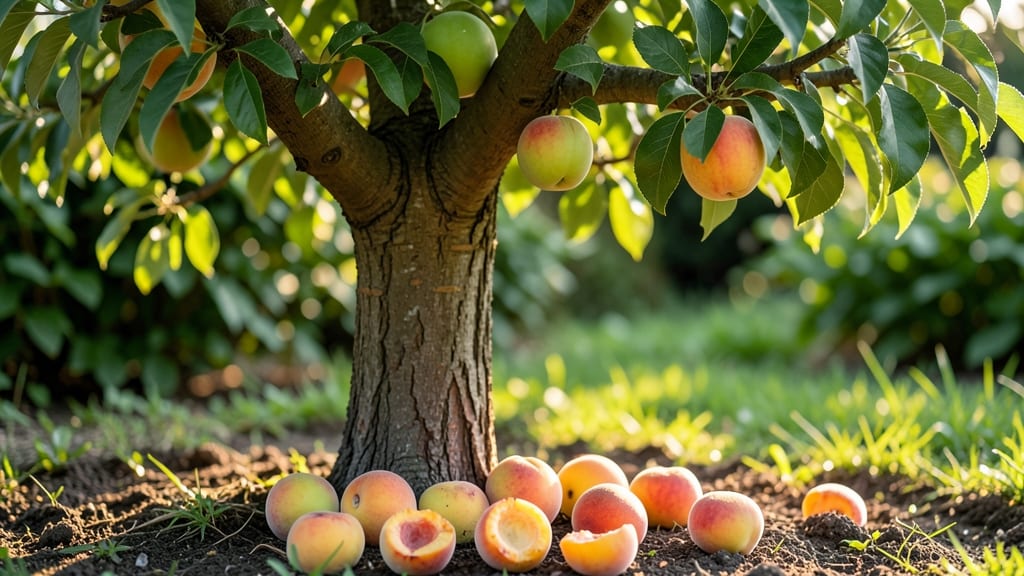
Peach trees dropping fruit before it ripens is one of those heartbreaking moments that makes you question every pruning decision. 🌿 After years of watching my peaches fall prematurely, I finally cracked the code—it wasn’t just about when I pruned, but how I shaped the tree to balance growth and fruit retention.
The right cuts at the right time can turn a fruitless summer into a harvest that feeds your family for months.
The most common culprits are overcrowded branches, sudden temperature swings, and poor watering habits—all problems you can fix with strategic pruning.
I learned the hard way that aggressive pruning in early spring stresses the tree, triggering fruit drop, while a more gradual approach in late winter keeps the tree focused on keeping its peaches.
Think of it like giving your tree a spa day: less stress means more energy for fruit development.
By mid-summer, you’ll notice fewer dropped peaches and stronger branches that can support the weight of a full harvest. The key is thinning out competing fruit clusters early, so the tree doesn’t waste energy on too many peaches at once.
This isn’t just about saving fruit—it’s about building a tree that thrives year after year, with fewer surprises and more rewards.
Whether you’re dealing with a young tree or a mature one that’s been struggling, these techniques work for peach trees in containers or in-ground. The goal isn’t perfection—it’s creating a balanced tree that keeps its fruit where it belongs: on the branches, not on the ground.
Root Causes of Premature Fruit Drop
Understanding why peaches fall from the tree before ripening is the first step to preventing it—and keeping your harvest abundant. These issues often stem from environmental stress, biological imbalances, or poor tree management.
Below, we break down the key triggers behind premature fruit drop, along with actionable insights to address them.
Peach trees are sensitive to sudden changes in temperature, humidity, or wind—especially during bloom and early fruit set. Here’s how weather wreaks havoc:
- Late Frost Damage 🥶: - Peach blossoms are highly frost-sensitive, and temperatures below 28°F (-2°C) can kill them instantly.
Even light frost (29–32°F/-1.5 to 0°C) can stunt pollen viability, leading to poor fruit set and eventual drop. - Action: Monitor frost forecasts and use frost cloths or smoke generators to protect blossoms. Plant frost-hardy varieties (e.g., ‘Redhaven’ or ‘Elberta’) if your region is prone to late frosts.
- Heat Stress & Drought 🔥: - Peaches need consistent moisture during fruit development.
High temperatures (>90°F/32°C) combined with dry soil cause abscission (the natural shedding of fruit) as the tree prioritizes survival over yield. - Action: Deep-water trees weekly (1–1.5 inches per week) and use mulch to retain soil moisture. Drip irrigation is ideal to avoid wetting leaves (which spreads disease).
- High Winds or Hail 🌪️: - Fragile peach fruit can detach easily when exposed to gusts >15 mph (24 km/h) or hail. Young fruit (smaller than a golf ball) is most vulnerable. - Action: Plant windbreaks (e.g., evergreen shrubs) or stake young trees to reduce sway.
Harvest wind-prone varieties (like ‘Sanguine’) earlier to avoid loss.
Peach trees need a precise balance of nutrients to retain fruit. Too little or too much of certain elements triggers drop.
- Nitrogen Overload 💥: - While nitrogen fuels leaf growth, excessive applications (especially late in the season) lead to soft, watery fruit that drops prematurely. - Action: Follow a balanced fertilizer schedule (e.g., 10-10-10 or organic compost).
Avoid high-nitrogen fertilizers after June—shift to potassium-rich options (like greensand) to strengthen fruit retention.
- Calcium or Boron Shortages 🧪: - Calcium helps cell walls stay rigid, while boron supports pollen tube growth.
Deficiencies cause blossom-end rot (in peaches, this appears as brown, leathery spots) and fruit drop. - Action: Apply calcium nitrate (follow label rates) or borax (1 tsp/gallon of water as a foliar spray) during bloom. Soil tests can pinpoint exact needs.
- Potassium Deficiency ⚡:
- Potassium regulates water balance and disease resistance. Low levels lead to small, shriveled fruit that detaches easily.
- Action: Use potassium sulfate or wood ash (for organic growers) in early spring. Avoid magnesium-heavy amendments (like Epsom salt), which can lock out potassium.
Hidden threats like insects, fungi, or bacteria can weaken trees, causing fruit to abort. Watch for these culprits:
- Peach Tree Borers & Curculio Weevils 🪲: - Borers (larvae that tunnel into bark) disrupt nutrient flow, while curculio weevils lay eggs in fruit, triggering premature drop. - Action: Apply kaolin clay (e.g., Surround WP) as a barrier or use neem oil for young larvae.
Prune and destroy infested branches before weevils emerge (late spring).
- Brown Rot (Monilinia fructicola) 🍄: - This fungus infects blossoms and fruit, causing mummified peaches that drop. Warm, humid conditions (75–85°F/24–29°C) accelerate spread. - Action: Thin fruit to improve airflow and apply copper fungicide (e.g., Bordeaux mixture) at petal fall and again post-bloom.
Remove and burn infected fruit immediately.
- Aphids & Spider Mites 🐜:
- These sap-suckers stress trees, reducing photosynthesis and leading to small, deformed fruit that falls early.
- Action: Blast trees with water to dislodge aphids or use horticultural oil in dormant season. Introduce ladybugs for natural control.
How you prune (or fail to prune) directly impacts fruit retention. Common mistakes include:
- Excessive Thinning ❌: - Removing too many branches reduces the tree’s ability to support fruit, leading to overcompensation—where the tree drops excess load. - Action: Aim for open-center pruning (keep 3–5 scaffold branches) and thin branches to allow sunlight penetration.
Avoid "heading back" (cutting growth tips), which stresses the tree.
- Overloaded Branches 🍑💦: - Peach trees drop fruit when branches are overburdened (e.g., >100 lbs per branch). This is common in high-yielding varieties like ‘Halehaven’. - Action: Hand-thin fruit to 4–6 inches apart during June drop (natural thinning phase).
Use pruning shears to remove water sprouts (vertical shoots) that compete for resources.
- Competition from Suckers or Grass 🌱:
- Suckers (shoots from the base) and weeds steal nutrients from the main tree, weakening fruit retention.
- Action: Mulch with wood chips (3-inch layer) and remove suckers at the base with a pruning saw. Keep the drip line weed-free.
Peach trees produce hormones that regulate fruit drop. When these get out of whack:
- Ethylene Overproduction 💨:
- Stress (drought, disease, or physical damage) triggers ethylene gas, a hormone that signals fruit to abscise (detach).
- Action: Reduce stress by watering deeply and avoiding heavy pruning during fruit set. Anti-transpirants (like Wilt-Pruf) can help in extreme heat.
- Gibberellin Surplus 🧬:
- This growth hormone promotes excessive fruit size but can lead to weak attachment if levels spike.
- Action: Avoid over-fertilizing with nitrogen (which boosts gibberellins). Instead, use balanced organic matter (compost or worm castings).
Not all peach varieties are created equal—some are genetically prone to fruit drop. For example:
- ‘Relenta’ drops fruit easily if pollination is poor.
- ‘Contender’ is sensitive to heat stress and may abort fruit in summer.
- ‘Redskin’ is more resilient but still needs thinning to prevent overloading.
Action: Choose low-drop varieties for your climate, such as:
- ‘Halehaven’ (cold-hardy, retains fruit well)
- ‘Suncrest’ (heat-tolerant, good for Southern growers)
- ‘Crimson Snow’ (disease-resistant, steady producer)
Fixing Premature Fruit Loss
Peach trees dropping fruit prematurely can be frustrating, but the good news is that most causes have straightforward fixes. Below, we’ve mapped out practical solutions for the most common triggers—plus prevention tips to keep your tree healthy and productive.
If your peach tree is dropping fruit due to poor nutrition, balance is key. Peaches need a mix of nitrogen, phosphorus, and potassium to thrive, but too much of one can cause imbalances.
🔥 Step 1: Test Your Soil
- Grab a soil test kit (available at garden centers) or send a sample to your local Cooperative Extension Service.
- Look for low phosphorus (P) or potassium (K)—these are critical for fruit retention.
🍳 Step 2: Apply the Right Fertilizer
- For phosphorus deficiency (P): Use a bone meal or rock phosphate fertilizer in early spring.
- For potassium deficiency (K): Switch to a potassium sulfate or wood ash (sparingly).
- For nitrogen (N) boost: A balanced 10-10-10 fertilizer in late winter can help, but avoid overdoing it—too much nitrogen leads to leafy growth at the expense of fruit.
👨🍳 Step 3: Use Organic Amendments
- Compost or well-rotted manure improves soil structure and microbial activity, helping roots absorb nutrients better.
- Banana peels (for potassium) or crushed eggshells (for calcium) can be worked into the soil around the tree.
💡 Pro Tip: Avoid synthetic fertilizers high in nitrogen (like urea) right before fruit sets—this can actually increase drop rates. Opt for slow-release options instead.
Peach trees hate inconsistency—too little or too much water can trigger fruit drop.
🌡️ Step 1: Establish a Watering Routine
- Deep watering (1-2 inches per week) is better than frequent shallow watering.
- Mulch heavily (3-4 inches of wood chips or straw) to retain moisture and regulate soil temperature.
🎯 Step 2: Avoid Overhead Watering
- Water at the base of the tree (not the leaves) to prevent fungal diseases like brown rot, which weakens fruit.
- Use drip irrigation or a soaker hose for efficiency.
✨ Step 3: Monitor for Stress Signs
- Wilting leaves? Water immediately and check for root rot.
- Cracked soil? Your tree may be thirsty—water deeply and mulch to prevent evaporation.
💡 Pro Tip: If your tree is in a container, ensure it has drainage holes and water when the top inch of soil feels dry.
Poor pruning can lead to overcrowded branches, poor airflow, and excessive fruit load—all of which cause drop.
🔪 Step 1: Thin Fruit Early
- When? 2-4 weeks after full bloom.
- How? Gently twist small fruits off by hand (don’t pull—twist to avoid damaging branches).
- Goal: Leave 6-8 inches between fruits on branches to reduce competition for nutrients.
⏰ Step 2: Prune for Airflow
- Remove suckers (shoots at the base) and dead/diseased wood in late winter/early spring.
- Open the canopy by thinning out crossing or rubbing branches to prevent fungal issues.
💡 Pro Tip: If your tree is young, prune aggressively to encourage a strong scaffold. Older trees need light pruning to maintain shape.
Pests like peach tree borers and diseases like bacterial leaf spot weaken trees, leading to fruit drop.
🐛 Step 1: Inspect for Pests
- Look for sawdust-like frass (borer droppings) or chewed leaves.
- Fix: Apply neem oil or beneficial nematodes early in the season.
🍄 Step 2: Prevent Fungal Infections
- Remove fallen leaves/fruit (burn or compost them) to stop spores from spreading.
- Spray copper fungicide in early spring if brown rot is a recurring issue.
💡 Pro Tip: Healthy trees resist pests better—focus on soil health, pruning, and watering first!
To minimize fruit drop year after year, follow this simple maintenance plan:
| Task | When to Do It | Why It Helps |
|---|---|---|
| Soil test | Every 2-3 years | Ensures balanced nutrients |
| Thin fruit | 2-4 weeks post-bloom | Reduces stress on the tree |
| Deep watering | Weekly (1-2 inches) | Prevents drought stress |
| Prune for airflow | Late winter/early spring | Reduces disease risk |
| Mulch heavily | Spring & fall | Retains moisture & regulates temperature |
| Pest/disease check | Spring & summer | Catches issues before they spread |
Final Thought: Most peach tree fruit drop is preventable with the right care. Start with soil health, proper watering, and strategic pruning, and you’ll see a bigger, healthier harvest next season! 🍑✨
Frequently asked questions
Why do my peach tree's fruits drop even when they're still small?
This is often called June drop, a natural process where trees shed excess fruit to focus energy on developing stronger peaches. However, if drop happens before June or affects most fruit, check for stress factors like drought, nutrient deficiencies (especially potassium), or pest damage. A sudden drop after bloom may indicate poor pollination or frost damage.
Can I save peaches that have already fallen to the ground?
Only if they're firm and unbruised—gently rinse them and store in a cool, dry place for 1-2 weeks max. Avoid peaches with soft spots (signs of rot or brown rot fungus). For future harvests, lay down cardboard or netting under the tree to catch fallen fruit before it spoils.
How do I know if my peach tree has a nutrient deficiency causing fruit drop?
Look for these clues: Yellow leaves (nitrogen deficiency), weak stems (potassium deficiency), or small, deformed fruit (calcium/boron shortage). Take a soil test—most deficiencies show up as low phosphorus or potassium levels. Apply bone meal (for phosphorus) or wood ash (for potassium) based on results.
Is it too late to prevent fruit drop if my tree is already dropping peaches?
Not necessarily! Focus on deep watering (1-2 inches weekly), thinning remaining fruit (leave 6 inches apart), and removing diseased branches. Avoid fertilizing—your tree needs to conserve energy. For next season, prioritize late-winter pruning and mulching to reduce stress.
What's the best way to thin peach fruit to prevent drop?
Use your fingers to twist small fruits (pea-sized) off branches 2-4 weeks after bloom. Aim to space remaining fruit 4-6 inches apart. This reduces competition for nutrients and helps the tree support heavier fruit later. Never pull—twisting prevents branch damage.