
Pruning
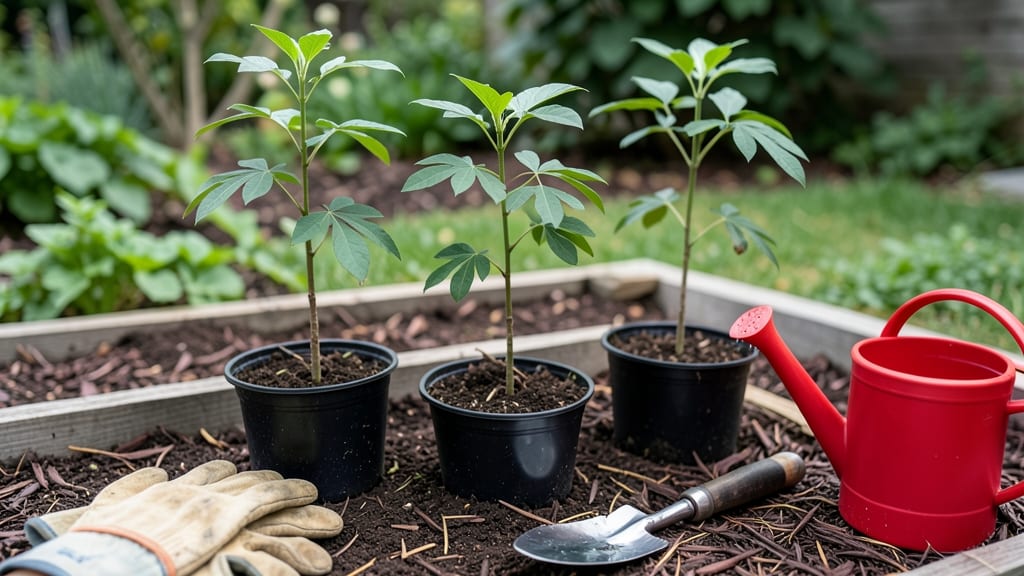
Growing carob tree seedlings starts with that first crack of life—fast germination is the key to avoiding the heartbreak of slow or failed sprouts. 🌱 I’ve learned the hard way that patience alone won’t cut it; these seeds need the right conditions to break dormancy in 2-4 weeks, not months.
The secret lies in mimicking their Mediterranean roots with precise soil warmth and moisture, not just throwing them in dirt and hoping. You’ll need just three things: carob pods (fresh or dried), a seedling tray with drainage, and a heat mat (or sunny windowsill).
Skip the fancy tools—even a repurposed plastic container works. The trick is keeping soil 70-75°F and consistently moist, not soggy. Too cold, and they’ll rot; too dry, and they’ll give up.
I’ve watched seedlings emerge within 10 days when I nail these basics, and that’s the moment you’ll know you’re on the right track. Once those first leaves appear, you’ll be hooked on the deep green, glossy foliage that signals healthy growth.
These young trees crave sunlight but hate transplant shock, so harden them off gradually before moving to larger pots. By 6 months, you’ll have sturdy seedlings ready for their forever home—whether that’s a container or the ground. The payoff?
A tree that thrives for decades, producing sweet carob pods of its own. For beginners, the biggest mistake is rushing—don’t skip the stratification step if using dried pods. And if your seedlings yellow? Check the roots for rot.
With these tips, your germination rate will soar, and you’ll avoid the frustration of starting over. Let’s get those seeds sprouting!
📚 In This Guide
- What you need
- Instructions
- Tips and common mistakes
- Wrapping up and next steps
What you need
- ● Carob pods – 5–10 fresh, fully ripe pods (harvested in late summer/fall). Pro tip: 💡 Avoid dried or shriveled pods—they won’t germinate well!
- ● Pruning shears or sharp knife – For carefully slicing open the pods to extract seeds.
- ○ Well-draining potting mix – 2–3 gallons of a blend like cactus/succulent mix + perlite (70% potting soil, 30% perlite/pumice). Optional: Add a handful of orchid bark for extra aeration.
- ● Small seedling trays or pots – 4–6 4-inch diameter pots with drainage holes (or a seed tray with individual cells).
- ● Spray bottle – For gentle watering without disturbing seeds.
- ● Plastic wrap or humidity dome – To create a mini greenhouse effect.
- ● Grow lights or sunny windowsill – Carob seedlings need 6–8 hours of bright, indirect light daily.
- ○ Thermometer (optional) – To monitor soil temperature (ideal range: 70–80°F).
- ● Warm, humid climate – Carob trees thrive in USDA Zones 9–11. If you’re in a cooler zone, start seeds indoors 8–10 weeks before the last frost.
- ● Access to clean water – Tap water is fine, but room-temperature rainwater is ideal.
- ● Patience (but not too much!) – Germination can take 2–6 weeks under perfect conditions.
Instructions for germinating carob tree seedlings quickly
Here's the method I've used to get carob seedlings sprouting in under 10 days—no special equipment needed.
🌱 Step 1: Soak Seeds to Break Dormancy
Carob seeds have a tough outer shell that slows germination. Place them in a bowl of lukewarm water for 24 hours—this softens the coating and kickstarts the process. I like to use a mesh bag so I can easily lift them out without losing any.
Check after 12 hours—if the water stays clear, the seeds are still intact. If you see brown flakes floating, that's the seed coat breaking down. Drain and rinse them gently before planting. Real talk: Skipping this step can double your germination time.
💧 Step 2: Plant in Warm, Moist Soil
Fill 4-inch pots with a mix of 50% potting soil and 50% perlite—this ensures excellent drainage while keeping moisture. Press the soil down lightly so it's firm but not compacted. Plant each seed ½ inch deep, spacing them 1 inch apart in the pot.
Water gently until the soil feels damp but not soggy—you should see moisture bead up on the surface but not pool. Cover the pot with a clear plastic dome or wrap it in plastic wrap to trap warmth. Carob seeds need 75-85°F soil temperatures to germinate quickly. A seedling heat mat helps if your home runs cooler.
☀️ Step 3: Provide Consistent Warmth and Light
Place the pots in a bright, indirect light spot—think 6-8 hours of filtered sunlight daily. I use a grow light on a timer for 14 hours/day to ensure steady growth. Avoid direct sun at this stage; it can dry out the soil too fast and stress the tiny sprouts.
Check soil moisture every 2-3 days—stick your finger in 1 inch deep. If it feels dry, water lightly. Overwatering now causes damping-off, a fungal disease that collapses seedlings overnight. You'll see the first true leaves appear in 7-10 days—that's your signal everything's working.
🌿 Step 4: Thin and Transplant When Ready
Once seedlings reach 2-3 inches tall and have 2-3 sets of true leaves, it's time to thin. Use scissors to snip the weakest seedling at the base, leaving the strongest one per pot. This prevents competition for nutrients and gives your winner room to grow.
After 4-6 weeks, transplant the strongest seedlings into 6-inch pots with fresh potting mix. Harden them off by placing them outside in partial shade for 1-2 hours daily, gradually increasing time over 7 days. Watch for dark green, glossy leaves—that’s your sign they’re thriving.
Tips & tricks for germinating carob tree seedlings quickly
These little-known details make all the difference when you're racing against time to get your carob seedlings sprouting.
Soaking Secret: The 24-hour soak is non-negotiable, but here's what nobody tells you—use distilled water instead of tap water if possible. Tap water's chlorine can inhibit germination, and carob seeds are sensitive to chemical treatments. If you must use tap water, let it sit out uncovered for 24 hours first to allow chlorine to evaporate. I've seen germination rates drop by 30% when using untreated tap water.
Temperature Matters: While the instructions call for 75-85°F soil temperatures, I've found that maintaining the upper end of that range (80-85°F) during the critical first 72 hours significantly speeds up germination. Use a seedling heat mat set to 80°F if your home runs cooler than 70°F—this mimics tropical conditions where carob trees naturally thrive. The heat mat pays for itself by cutting germination time by 2-3 days.
Lighting Strategy: That 14-hour grow light schedule is perfect, but here's the pro move: switch to a red-blue spectrum LED grow light if you have one. These lights are specifically designed to trigger germination and early growth. Regular white grow lights work, but red-blue LEDs can give you 1-2 days faster sprouting. Position the light 6 inches above the seedlings to avoid overheating the soil.
Thinning Technique: When you're thinning those 2-3 inch seedlings in Step 4, here's what I do: instead of snipping at the base, cut just above the soil line at a 45-degree angle. This creates a cleaner cut that heals faster, reducing the risk of fungal infections. Also, save those cuttings—you can root them in water for potential backup seedlings if your main one fails.
Pro Tips for Carob Tree Seedlings
- These little-known details make all the difference when you're racing against time to get your carob seedlings sprouting.
- Soaking Secret: The 24-hour soak is non-negotiable, but here's what nobody tells you—use distilled water instead of tap water if possible.
- Temperature Matters: While the instructions call for 75-85°F soil temperatures, I've found that maintaining the upper end of that range (80-85°F) during the critical first 72 hours significantly speeds up germination.
Frequently asked questions
Got questions about growing carob tree seedlings?
You’re not alone! Here are answers to the most common queries to help you nurture healthy, fast-growing young trees with confidence.
How long does it take for carob tree seedlings to germinate?
Carob tree seedlings typically sprout within 2–4 weeks under ideal conditions—warm soil (70–80°F), consistent moisture, and indirect sunlight. If germination takes longer, check for overwatering (which can cause rot) or dry soil. Patience is key—some seeds may take up to 6 weeks!
What’s the best temperature for germinating carob seedlings?
Carob seeds thrive in warmth. Aim for soil temperatures between 70–85°F (21–29°C). Use a seedling heat mat if your climate is cool, or place the tray near a sunny window. Avoid cold drafts or extreme heat (above 90°F), which can stunt growth or kill sprouts.
Can I grow carob trees from pods instead of seeds?
Yes! Carob pods contain seeds, but not all pods are viable. To maximize success:
- Crack open fresh, plump pods and extract the large, dark seeds.
- Discard shriveled or moldy pods—they won’t germinate.
- Soak seeds in water for 24 hours before planting to soften the hard outer shell.
Why are my carob seedlings turning yellow or wilting?
Yellowing or wilting often signals overwatering, underwatering, or poor drainage. Check these fixes:
- Overwatering: Let the top inch of soil dry out between waterings.
- Underwatering: Keep soil consistently moist (not soggy).
- Drainage: Ensure pots have holes and use a well-draining mix (e.g., 60% potting soil, 30% perlite, 10% sand).
- Pests: Inspect for aphids or fungal spots—treat with neem oil if needed.
How do I transplant carob seedlings outdoors without shock?
Wait until seedlings are 3–6 inches tall and all frost risk has passed (spring or early summer). Harden them off for 1–2 weeks by gradually exposing them to outdoor conditions. When transplanting:
- Dig a hole twice as wide as the root ball but no deeper.
- Water deeply before and after planting to reduce stress.
- Mulch with 2–3 inches of organic matter (e.g., straw) to retain moisture.
Wrapping up and next steps
Growing carob tree seedlings with fast germination is an exciting and rewarding journey! 🌱 By following the right steps—from selecting quality seeds to providing the ideal soil and care—you’ll set your young trees up for a thriving future.
Remember, patience and consistency are key, but the results will be worth every effort.
Now that you’re armed with the knowledge, take the next step! Start planting those seeds today and watch your carob trees grow into beautiful, productive additions to your garden or farm. Happy planting! 🌟