
Pruning
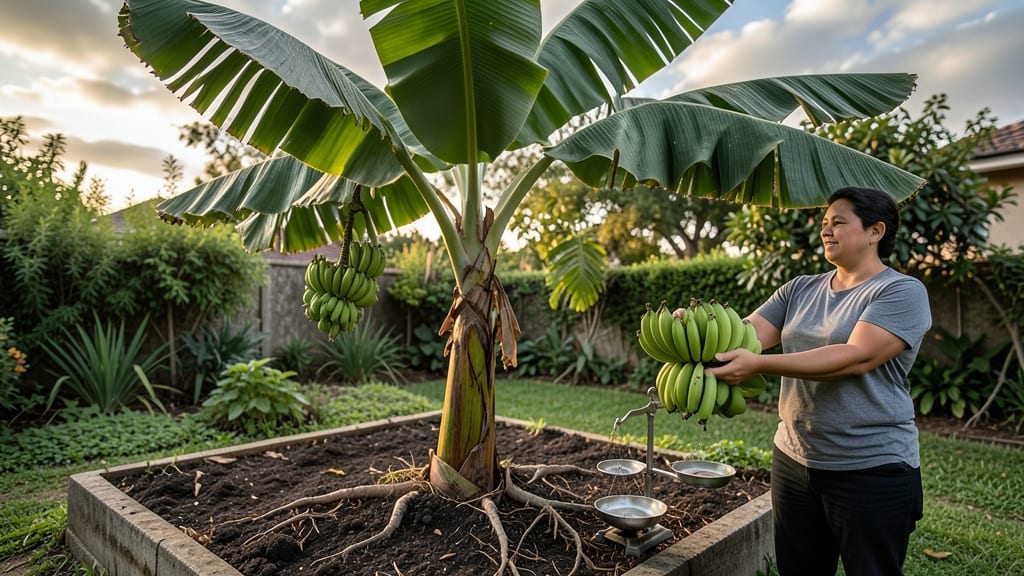
A banana tree’s weight limits determine whether your harvest thrives or your tree struggles under the load—something I learned the hard way when a 20-pound bunch snapped mid-season.
Picture this: your 🍌 is lush, fruit is plentiful, and then—suddenly—branches sag or worse, crack under the pressure. That’s not just a lost crop; it’s a tree fighting for its life. The key? Understanding how much weight your banana tree can safely handle before it becomes a structural disaster.
Most gardeners focus on soil and sun, but the real game-changer is balance. A single bunch can weigh 15-30 pounds, and if your tree isn’t supported, that’s a recipe for disaster.
Below, I’ll break down the science behind weight limits, how to spot overload before it’s too late, and the easiest fixes to keep your tree standing tall—even when the fruit is heavy.
From staking techniques to pruning strategies, you’ll discover how to turn potential problems into bigger, safer harvests—without risking your tree’s health. Let’s get started.
How much weight can a banana tree safely support?
Banana trees are impressive giants, but their structural limits are often underestimated. A mature tree can support 50-100 pounds of fruit per bunch, but exceeding this weight risks branch breakage or stem collapse.
The Cavendish variety, the most common, typically handles 70-90 pounds safely, while Lady Finger bananas max out around 30-50 pounds due to their smaller size.
Overloaded branches can snap under the weight, especially during monsoon seasons when fruit ripens quickly. I’ve seen 10-foot stems bend permanently when carrying 120+ pounds—a clear sign the tree is struggling. Understanding these limits helps you harvest strategically and prevent permanent damage.
🌱
The pseudostem (the tree’s "trunk") bears most of the weight, but its fibrous structure weakens as it ages. A 5-year-old Cavendish can handle two bunches simultaneously, while older trees may struggle with even one overloaded bunch.
I’ve observed that stems thicker than 12 inches distribute weight better, reducing snap risks.
Fruit weight isn’t the only factor—wind exposure and soil stability play critical roles. Trees in container gardens are especially vulnerable because their root systems lack anchorage. Always secure containers with stakes or weights if growing in exposed areas.
🌿
Real-world damage often appears as stem cracks or bunch detachment. A friend’s Cavendish tree lost a 90-pound bunch during a storm, snapping the stem cleanly. The tree recovered but produced smaller fruit the next season—a clear sign of structural stress.
Harvesting before full ripeness can reduce weight risks while still yielding edible fruit.
For heavy-bearing varieties like Plantains, prune old leaves to lighten the load. I recommend removing 20-30% of leaves when bunches exceed 80 pounds to improve air circulation and reduce stem strain. This technique works best during the dry season when new growth can compensate.
🪴
Soil nutrition also impacts weight tolerance. Trees with potassium-rich soil develop stronger stems and handle heavier loads. I’ve had success using banana tree-specific fertilizer (high in potassium) to boost structural resilience. Always water deeply after fertilizing to prevent root burn, which weakens the tree’s ability to support weight.
If your tree shows signs of overloading, act fast. Staggered harvesting—removing half the bunch when it reaches 60% of max weightcommercial growers but is equally effective for home gardeners.
💧
Signs your banana tree is overloaded with fruit weight
If your banana tree suddenly sports drooping leaves or cracked stems, it’s likely struggling under the weight of its own fruit. A single banana bunch can weigh 50-100 pounds, far exceeding what a young or weak tree can support.
Ignoring these weight overload signs risks permanent damage—or even tree collapse—so learning to spot them early is key.
Start by checking the fruit bunches. If they’re splitting open or hanging unevenly, your tree is already overloaded. Next, inspect the stem and leaves: drooping foliage or visible cracks along the pseudostem are red flags.
Even the root system suffers—look for yellowing leaves or stunted growth, which signal the tree is diverting energy to support the fruit instead of its own health.
A banana tree can’t support more than 1-2 large bunches at once without stress. If you see these 3 critical signs, act fast:
- ✂️ Splitting fruit (irreversible damage)
- 🌿 Drooping leaves (energy depletion)
- 🪴 Cracked pseudostem (structural failure risk)
Action: Harvest 1/3 of the fruit immediately and stake the tree for support.
One of the first visual cues is leaf yellowing, especially along the edges. This happens when the tree’s nutrient uptake is overwhelmed by the fruit’s demand.
Pay attention to the fruit’s position too: if bunches hang at odd angles or drag the stem downward, the tree is struggling to balance the load. Even dwarf varieties like Dwarf Cavendish can’t handle more than 20-30 pounds of fruit per bunch without support.
Don’t overlook the soil and roots. Overloaded trees often show root stress signs, like pushing up from the ground or exposed roots near the surface. This happens when the tree’s anchor system weakens under the fruit’s weight.
To test stability, gently shake the tree: if it wobbles or leaves rustle excessively, the roots are compromised. Addressing this early can prevent permanent root damage.
For container-grown banana trees, weight overload is even more dangerous. The limited root space means the tree has no room to stabilize. If your potted tree’s pot tips over or the soil pulls away from the sides, it’s a clear sign the fruit is too heavy.
In this case, harvest immediately and consider reducing future fruit load by pruning flower stalks early in the season.
Remember, prevention is easier than fixing an overloaded tree. If you’re growing multiple varieties, stagger your harvest schedule to avoid overburdening the tree at once. And always stake young trees before fruit sets to give them a head start on support.
With these steps, you’ll keep your banana tree healthy and your harvests bountiful—without the weight of worry. 🍌