
Trees
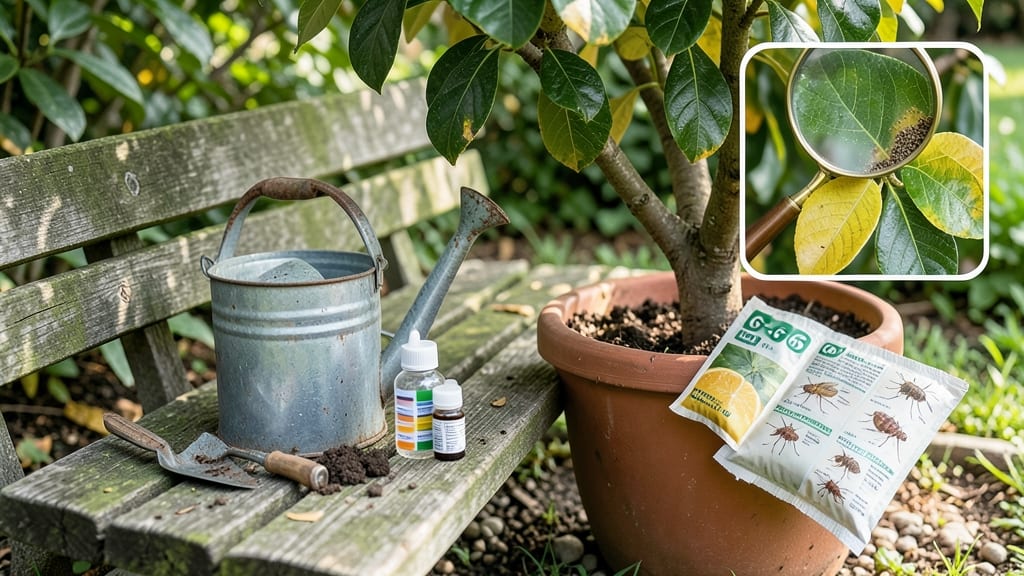
Your avocado tree's yellow leaves aren’t just a cosmetic issue—they’re a cry for help. 🌿 I’ve seen this exact problem turn into full-blown decline when ignored, but fixing it is simpler than you’d think.
The key is identifying whether it’s overwatering, nutrient starvation, or something sneaky like fungal stress hiding under those yellowing fronds.
Most gardeners I’ve helped realize the mistake too late: they’re watering on a schedule, not by checking soil moisture. Stick your finger an inch deep—if it’s damp, hold off. Avocados hate soggy roots, and that’s often the first sign of trouble.
But here’s the twist: yellow leaves can also mean your tree’s starving for magnesium or zinc, nutrients that show up as yellowing between veins first.
Within 2-3 weeks of adjusting water and feeding with the right fertilizer, you’ll see fresh green growth pushing out. The trick is consistency—don’t just treat the symptoms, fix the root cause. I’ll walk you through the exact steps to diagnose and heal your tree, so you’re not guessing anymore.
This works for both potted avocados and in-ground trees, no matter your climate. Let’s get that tree thriving again—your kitchen will thank you later.
Root Causes Of Leaf Discoloration
Yellowing leaves on your avocado tree can feel like a silent SOS from your plant, and understanding the why behind it is the first step to saving it. Let’s break down the most common culprits—each with a distinct fingerprint that helps you diagnose and act fast.
Avocado trees thrive when their soil is rich in essential nutrients, but when one or more are missing, leaves turn yellow as a distress signal. Here’s what to watch for:
💡 Nitrogen Starvation (The Classic "Old Leaf" Yellow)
- Symptoms: Older leaves yellow first, often with a pale green or even brownish tint. New growth may stay green but look stunted.
- Why it happens: Nitrogen is the building block of chlorophyll (the pigment that makes leaves green).
Without enough, your tree can’t produce energy efficiently. - Actionable fix: - Test your soil (pH should be 6.0–7.0 for avocados). - Apply a balanced fertilizer (like 10-10-10) in early spring, or use composted manure for a slow-release boost. - Pro tip: 🌡️ Over-fertilizing can burn roots—start with half the recommended dose and monitor.
🍃 Magnesium Lack (The Vein-Stay-Green Trick)
- Symptoms: Yellowing between veins (interveinal chlorosis) while veins stay green. This often starts on older leaves and spreads.
- Why it happens: Magnesium is critical for chlorophyll production.
Compact or alkaline soils (high pH) lock it out, making it unavailable. - Actionable fix: - Lower soil pH with sulfur or peat moss if it’s too alkaline. - Apply Epsom salt (magnesium sulfate) as a foliar spray (1 tbsp per gallon of water) or soil drench every 4–6 weeks. - Pro tip: 💡 Citric acid (found in lemons) can also help chelate magnesium for better uptake.
🍂 Iron Deficiency (The "Young Leaf" Struggle)
- Symptoms: New leaves turn bright yellow (sometimes white) while older leaves stay green.
This is common in alkaline soils. - Why it happens: Iron is essential for chlorophyll, but in high-pH soils, it becomes insoluble and roots can’t absorb it. - Actionable fix: - Acidify the soil with elemental sulfur or pine needles. - Use chelated iron (like Iron Chelate 6%) as a soil drench or foliar spray. - Pro tip: 🎯 Mulch with acidic materials (like oak leaves or coffee grounds) to maintain soil acidity long-term.
🌿 Potassium Shortage (The Weak & Crispy Signal)
- Symptoms: Yellowing edges or tips of leaves, which may later turn brown and crispy. Leaves may also show necrotic spots.
- Why it happens: Potassium regulates water and nutrient transport.
A deficiency weakens cell structure, leading to leaf burn. - Actionable fix: - Apply potassium sulfate or wood ash (sparingly—too much raises pH). - Use a banana peel tea (steep peels in water for 24 hours) as a natural potassium source. - Pro tip: 🔥 Avoid overwatering—potassium leaches out in saturated soil.
Avocado trees are drought-tolerant but hate soggy feet. Water stress—whether from over- or under-watering—triggers yellow leaves as a survival mechanism.
🚰 Overwatering (The Root Suffocation Scenario)
- Symptoms: Yellowing leaves with soft, mushy spots or drooping. Soil may smell sour or feel waterlogged.
- Why it happens: Avocado roots need oxygen.
Overwatering displaces air, leading to root rot (often caused by Phytophthora fungi). - Actionable fix: - Let the top 2–3 inches of soil dry out before watering. - Improve drainage by amending soil with perlite or sand. - Pro tip: ✨ Use a moisture meter to avoid guessing—roots need 60–70% air space.
🌞 Underwatering (The Thirsty Tree’s Cry)
- Symptoms: Leaves yellow from the bottom up, often with crispy edges.
Soil pulls away from the pot or feels bone-dry. - Why it happens: Avocados are native to arid regions—they wilts silently before showing stress. - Actionable fix: - Water deeply but infrequently (1–2 times per week, depending on climate). - Mulch with straw or wood chips to retain moisture. - Pro tip: 💡 Check soil moisture at the root level—surface soil can be misleading.
Not all yellow leaves are nutrient-related—some are invaders wreaking havoc.
🐜 Spider Mites & Scale Insects (The Sap-Sucking Bandits)
- Symptoms: Yellowing leaves with tiny webs (mites) or sticky residue (scale).
Leaves may drop prematurely. - Why it happens: These pests pierce leaves, disrupting nutrient flow and causing chlorosis (yellowing). - Actionable fix: - Spray with neem oil or insecticidal soap (repeat every 5–7 days). - Introduce predatory mites or ladybugs for natural control. - Pro tip: 🎯 Mist leaves daily—mites thrive in dry conditions.
🍄 Root Rot (The Silent Killer)
- Symptoms: Yellowing leaves that wilt even when watered, combined with black, mushy roots.
- Why it happens: Fungal infections (like Phytophthora) thrive in waterlogged soil, cutting off nutrient uptake.
- Actionable fix:
- Prune affected roots (sterilize tools with rubbing alcohol).
- Repot in fresh, well-draining soil with perlite or orchid bark.
- Pro tip: 🔥 Avoid overhead watering—keep foliage dry to prevent fungal spread.
Avocado trees are tropical but hate extreme conditions. Sudden changes in light or temperature can shock them into yellowing leaves.
🔥 Sunburn (The Sudden Yellow Patch)
- Symptoms: Pale yellow or white patches on leaves exposed to direct afternoon sun.
- Why it happens: Avocados prefer dappled shade—intense sun cooks leaves, causing cellular damage.
- Actionable fix:
- Move the tree to partial shade (especially in hot climates).
- Use lightweight shade cloth (30–50% coverage) if outdoors.
- Pro tip: 🌡️ Acclimate gradually—don’t move from shade to full sun overnight.
🌬️ Wind Burn (The Rough Treatment)
- Symptoms: Yellowing or brown, papery edges on leaves, often on one side of the tree.
- Why it happens: Strong winds desiccate leaves by increasing transpiration (water loss).
- Actionable fix:
- Shelter the tree with a windbreak (bamboo screen or mesh).
- Stake young trees to prevent swaying.
- Pro tip: 💡 Mulch heavily to reduce stress on roots during windy periods.
If none of the above fit, consider:
- Soil pH test (too high or low can block nutrients).
- Leaf analysis (send a sample to a lab for precise deficiencies).
- Fungal/bacterial tests (if yellowing is paired with spots or lesions).
Pro tip: 🎯 Keep a plant journal—note watering, fertilizing, and environmental changes to spot patterns.
How to Fix It Naturally
Now that you’ve identified why your avocado tree’s leaves are turning yellow, it’s time to take action! Below are practical, step-by-step solutions tailored to each common cause—plus prevention tips to keep your tree thriving. Let’s get those leaves back to a healthy, vibrant green! 🌿✨
Signs: Yellowing leaves, mushy stems, or soil that stays soggy for days.
How to Fix It: 🔹 💧 Adjust Your Watering Routine
- Avocado trees hate soggy roots. Only water when the top 2–3 inches of soil are dry (stick your finger in to check!).
- Water deeply but less frequently—once a week (or every 10 days in winter) is usually enough for mature trees.
- Morning watering is best—it gives excess moisture time to evaporate before nightfall.
🔹 🏗️ Improve Drainage Immediately
- If your pot lacks drainage holes, repot your avocado tree ASAP into a container with holes.
- Add perlite or coarse sand (20–30%) to potting mix to boost aeration.
- For in-ground trees, amend the soil with compost or organic matter to improve water flow.
🔹 🌱 Check for Root Rot (If Severe)
- Gently lift the tree (or dig around the base) to inspect roots. Healthy roots are white or light tan; black/mushy roots mean rot.
- Trim affected roots with sterilized scissors, then repot in fresh, well-draining soil.
- Fungicide spray (like copper-based or neem oil) can help prevent further spread.
💡 Prevention Tip: ✔ Use a moisture meter to avoid guesswork. ✔ Group pots together—this creates a self-regulating humidity zone that reduces overwatering.
Signs: Yellowing between leaf veins (chlorosis), stunted growth, or weak stems.
How to Fix It: 🔹 📊 Test Your Soil First
- Grab a DIY soil test kit (or send a sample to a local extension office) to confirm deficiencies. Common culprits:
- Nitrogen (N) → Pale yellow leaves
- Iron (Fe) → Yellowing between veins (even if soil is alkaline)
- Magnesium (Mg) → Yellow patches on older leaves
🔹 🍽️ Apply the Right Fertilizer
- For nitrogen deficiency: Use a balanced fertilizer (like 10-10-10) or fish emulsion every 4–6 weeks in growing season.
- For iron deficiency (common in alkaline soil):
- Chelated iron supplement (spray on leaves and soil) for quick results.
- Epsom salt (magnesium sulfate) for magnesium—1 tbsp per gallon of water, applied monthly.
- For potassium/micronutrients: Banana peel tea (steep peels in water for a week) or kelp meal boosts potassium naturally.
🔹 🌱 Improve Soil Health Long-Term
- Mulch with compost (2–3 inches) to slowly release nutrients.
- Avoid synthetic fertilizers—they can burn roots. Organic options (like worm castings or seaweed extract) are gentler.
💡 Prevention Tip: ✔ Fertilize in spring/summer only—avocado trees rest in winter. ✔ Flush soil every 6 months with water to prevent salt buildup from fertilizers.
Signs: Crispy yellow edges, leaf scorch, or leaves curling away from direct sunlight.
How to Fix It: 🔹 🌳 Provide Partial Shade
- Move potted avocados to a spot with morning sun + afternoon shade (e.g., under a sheer curtain or near a north-facing window).
- For outdoor trees, plant near a tall tree or fence to block harsh afternoon rays.
🔹 💨 Protect from Wind Burn
- Group trees together or place them near a windbreak (like a hedge or lattice).
- Mist leaves on hot days to reduce stress (but avoid soggy soil!).
🔹 🌿 Adjust Gradually to Sun
- If your tree is newly outdoors, acclimate it slowly—start with 2–3 hours of sun/day, then increase by 1 hour weekly.
💡 Prevention Tip: ✔ Choose the right location—avocado trees thrive in USDA zones 9–11 with filtered sunlight. ✔ Use shade cloth (30–50%) in peak summer if full sun is unavoidable.
Signs: Yellowing leaves with holes, sticky residue (sap), or tiny bugs (spider mites, aphids, scale).
How to Fix It: 🔹 🔍 Identify the Pest First
- Spider mites → Tiny yellow dots, webbing on undersides.
- Aphids → Sticky honeydew, curled leaves.
- Scale insects → Bumpy brown/white spots on stems.
🔹 🚫 Remove Pests Manually
- Blast off mites/aphids with a strong spray of water (repeat every 3 days).
- Scrape scale insects off with a soft brush dipped in rubbing alcohol.
🔹 🌿 Natural Pest Control
- Neem oil spray (mix 1 tbsp neem oil + 1 tsp mild soap + 1 quart water). Spray every 7–10 days until pests vanish.
- Introduce beneficial insects—ladybugs or lacewings eat aphids naturally.
- Diatomaceous earth (food-grade) on soil can deter crawling pests.
💡 Prevention Tip: ✔ Inspect leaves weekly—catch pests early! ✔ Avoid over-fertilizing—weak trees attract more pests.
If yellowing persists despite fixes, prune affected leaves to redirect energy to healthy growth:
- 🔪 Use sterilized shears to trim only yellow/brown leaves (never more than 1/3 of the tree at once).
- 🌱 Repot if roots are crowded—root-bound trees stress easily.
- 🌿 Consider a semi-dwarf variety if your tree is struggling in your climate.
🎯 Pro Tip: Keep a tree care journal—note watering, fertilizing, and pest events to spot patterns fast! 📖✨
Now go give your avocado tree the TLC it deserves—those green leaves (and future avocados!) will thank you. 🥑💚
Frequently asked questions
Why do only the older leaves turn yellow first?
This is usually a sign of nitrogen deficiency or normal leaf senescence (aging). Avocado trees naturally recycle nutrients from older leaves to new growth. If you see pale yellowing on older leaves while new leaves stay green, test your soil and apply a balanced fertilizer (like 10-10-10) in spring. For severe cases, composted manure works wonders!
My avocado tree leaves are yellow with green veins—what's wrong?
This classic pattern (called interveinal chlorosis) almost always means magnesium deficiency. The veins stay green because they transport nutrients, while the leaf tissue between them lacks chlorophyll. Fix it with Epsom salt (1 tbsp per gallon of water) every 4-6 weeks or use chelated iron if your soil is alkaline.
Can I save my avocado tree if the yellowing is from root rot?
It depends on how severe it is! If roots are black and mushy, you can still save it by pruning affected roots with sterilized shears, repotting in fresh well-draining soil with perlite, and using copper fungicide. For advanced cases, consider propagating from healthy stems—root rot spreads quickly and can be fatal if ignored.
How often should I fertilize an avocado tree with yellow leaves?
Start with once every 6-8 weeks during growing season (spring/summer) using a balanced organic fertilizer. Over-fertilizing burns roots and makes yellowing worse! For micronutrient deficiencies, use targeted supplements like Epsom salt (magnesium) or chelated iron separately. Always water thoroughly after fertilizing.
Will pruning yellow leaves help my avocado tree recover?
Yes! Pruning removes the "drain" on your tree's resources, helping it redirect energy to healthy growth. Cut only the yellow/brown leaves (never more than 1/3 of the foliage at once) and sterilize your shears between cuts. This also improves air circulation, reducing fungal risks. Pair pruning with proper watering and fertilizing for best results!