
Pests and Diseases
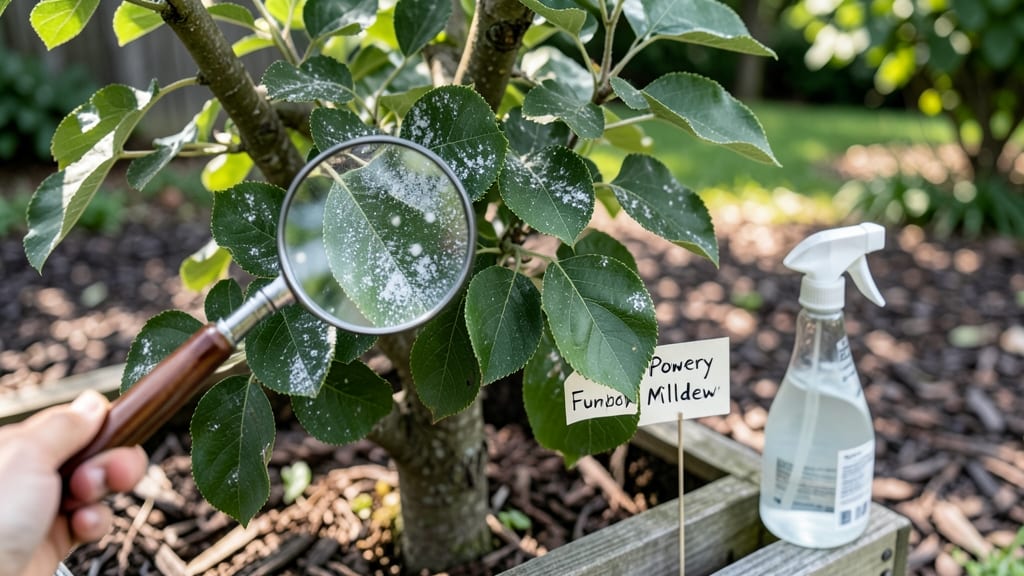
Those white spots on your tree leaves aren’t just cosmetic—they’re a warning sign. 🌿 I’ve seen powdery mildew turn a healthy shade tree into a ghostly white mess within weeks, but the good news is you can stop it before it spreads.
This guide cuts through the guesswork so you can identify the problem, treat it right, and save your trees—no chemistry degree required.
The culprit is usually powdery mildew, a fungal infection that thrives in shady, humid conditions. Other times, it’s pest damage (like spider mites) or nutrient deficiencies, but mildew is the most common offender.
The key to stopping it? Spotting it early—before the white fuzz takes over entire branches. I’ll walk you through what to look for and how to tell mildew apart from other issues.
You’ll learn three foolproof treatments—organic and chemical—that actually work, plus how to adjust your watering and pruning to prevent a repeat performance. No more guessing whether to spray or wait.
By the end, your trees will be back to their vibrant green selves, and you’ll know exactly how to keep them that way.
Works for maples, oaks, fruit trees, and even shrubs—no matter your climate. Let’s get your trees looking healthy again before the problem gets worse.
Understanding The Root Causes
White spots on tree leaves aren’t just an aesthetic nuisance—they’re often a cry for help from your plants. These spots can signal stress, disease, or pest activity, each with its own unique triggers.
Let’s break down the most common reasons why you’re seeing these unsightly blemishes and what’s really going on beneath the surface.
🍄 Powdery Mildew: The Fluffy Invader Powdery mildew is the most common cause of white spots on leaves, appearing as a chalky, powdery coating that spreads like wildfire in humid conditions.
This fungus thrives when: - Humidity levels exceed 75% (especially in stagnant air). - Leaves stay damp for long periods (think poor airflow or water splashing during irrigation). - Trees are stressed from overcrowding, poor nutrition, or drought.
Why it happens: The fungus Erysiphe or Sphaerotheca species releases spores that land on leaves, germinate, and form a mycelial network. Unlike other fungi, powdery mildew doesn’t need water to infect—just moisture in the air. Once established, it weakens the leaf’s ability to photosynthesize, leading to yellowing, leaf drop, and stunted growth.
💡 Pro Tip: Early morning dew or evening watering can turn your garden into a fungal buffet. Aim for watering in the early morning so leaves dry by noon.
🐛 Sap-Sucking Bugs Create White Spots Not all white spots are fungal.
Some are the handiwork of pests like: - Aphids (tiny green/black insects that excrete sticky honeydew, which attracts sooty mold—a black fungal layer). - Spider Mites (leave stippled, white or yellow patterns as they pierce cells to feed). - Whiteflies (adults release a white, powdery residue when disturbed).
Why it happens: These pests feed on plant sap, disrupting cell function. Their saliva can trigger toxic reactions in leaves, causing white or yellow speckling. Over time, the damage reduces the leaf’s ability to absorb sunlight, leading to further decline.
🔥 Quick Fix: Blast leaves with a strong spray of water to dislodge pests, or use neem oil (a natural repellent) mixed with water (1 tsp per quart) and sprayed on undersides where bugs hide.
🌱 Nutrient Imbalances Cause Stress Spots White spots can also signal mineral deficiencies, particularly:
- Magnesium deficiency (interveinal chlorosis—yellowing between veins—often with white or grayish patches).
- Calcium deficiency (leaves develop necrotic white or brown spots, especially on younger foliage).
- Excessive nitrogen (can lead to pale, white-tinged new growth as the tree struggles to process nutrients).
Why it happens: Poor soil quality, compacted roots, or over/under-fertilization disrupt nutrient uptake. For example, magnesium is crucial for chlorophyll production—without it, leaves can’t synthesize food properly, leading to dead patches. Similarly, calcium helps cell wall structure; without it, cells break down prematurely.
🌡️ Soil Test Savior: Grab a DIY soil test kit ($10–$20) to check pH and nutrient levels. Most trees prefer slightly acidic soil (pH 6.0–7.0). Amend with Epsom salt (magnesium sulfate) for magnesium or lime for calcium if deficient.
☀️ Sun Scorch and Hail Damage Even Mother Nature can be the culprit:
- Sun scorch (white or grayish patches on leaves exposed to sudden heat or intense sunlight, common after winter or in newly planted trees).
- Hail or frost damage (crushes leaf cells, causing white or translucent spots where tissue dies).
Why it happens: Leaves are delicate—when they’re too dry, too wet, or shocked by temperature swings, cell membranes rupture. Sun scorch, for instance, occurs when trees lack acclimation to full sun (e.g., moving from shade to a sunny spot too quickly).
✨ Prevention Tip: Mulch heavily around the base of trees to regulate soil temperature and water deeply during heatwaves to prevent stress. For young trees, use shade cloth during extreme heat.
🧪 Overzealous Sprays or Pollution White spots can also appear from:
- Excessive fungicide or pesticide use (residue buildup clogs leaf pores).
- Air pollution (industrial smog or high ozone levels cause chlorotic flecking—white or gray speckles).
- Hard water spray (mineral deposits from tap water can leave white crusts).
Why it happens: Chemicals disrupt the cuticle layer (the leaf’s protective waxy coating), leading to necrosis (cell death) or physical blockage of stomata (pores). Pollution, like sulfur dioxide, reacts with leaf tissues to form acid rain damage, which appears as white or bleached patches.
🎯 Solution: If you suspect chemical burn, rinse leaves gently with water and avoid further applications until the tree recovers. For pollution, move potted plants indoors during smog alerts or install a rain garden to filter runoff.
Quick Fixes for Leaf Spot Woes
White spots on tree leaves don’t have to mean the end of your garden’s glory days. With the right approach, you can restore your trees to their lush, healthy selves—often faster than you’d expect!
Below, we’ve mapped out practical, step-by-step solutions tailored to the most common causes, from fungal infections to environmental stressors. Plus, we’ll share prevention tips to keep those spots from creeping back.
Fungi love damp, shaded conditions, and once they take hold, they spread like wildfire. But don’t panic—these organic and chemical-free methods can kick them to the curb.
🔥 Step 1: Prune for Better Airflow
Fungal spores thrive in tight, humid spaces. Open up your tree’s canopy to let sunlight and air circulate.
- Trim branches that rub together or block airflow (use sterilized pruners to avoid spreading spores).
- Remove heavily infected leaves—bag and dispose of them in the trash (not compost).
- Thin out dense foliage, especially in shaded or low-light areas.
🍳 Step 2: Apply a Natural Fungicide Spray
Skip the harsh chemicals and try these DIY or store-bought options: - Baking soda spray: Mix 1 tsp baking soda + 1 tsp dish soap + 1 quart water in a spray bottle.
Test on a small leaf first! - Neem oil solution: Combine 1 tbsp neem oil + 1 tsp mild soap + 1 quart water.
Spray early morning or evening (avoid direct sun). - Milk spray: Yes, really! 1 part milk to 9 parts water (works best for powdery mildew). - Commercial options: Look for copper-based fungicides or potassium bicarbonate sprays (like Safer® Brand).
✨ Pro Tip: Spray both sides of leaves and early in the day to let them dry before nightfall (fungi love moisture!).
👨🍳 Step 3: Boost Tree Immunity
A healthy tree fights off fungi better. Feed it right with:
- Compost or well-rotted manure (improves soil health).
- Slow-release organic fertilizer (look for balanced NPK ratios like 10-10-10).
- Beneficial microbes: Add mycorrhizal fungi or trichoderma to the soil.
🌡️ Step 4: Adjust Watering Habits
Overhead watering = fungal paradise. Switch to:
- Drip irrigation or soaker hoses (keeps leaves dry).
- Watering at the base (early morning is best).
- Avoid late-night watering (leaves stay wet overnight).
If the spots are dry, crusty, or appear only on sun-exposed sides, your tree might be dealing with sunburn or mineral buildup.
🔪 Step 1: Shield from Harsh Sun
- Provide afternoon shade with lightweight shade cloth (30-50% coverage).
- Mulch heavily (2-3 inches) to keep roots cool.
- Water deeply during heatwaves (1-2 inches per week).
💡 Step 2: Flush Out Mineral Buildup
White, chalky spots from hard water or fertilizer salts?
- Leach the soil: Water heavily to rinse out excess salts.
- Use rainwater (if available) instead of tap.
- Switch to acid-loving fertilizers (like pine-furnish compost) if your tree prefers acidic soil (e.g., azaleas, rhododendrons).
Tiny pests like aphids, scale, or spider mites can leave stippled white spots (their waste or feeding marks). Here’s how to evict them:
⏰ Step 1: Blast Them Off
- Spray with water (strong stream from a hose dislodges soft-bodied pests).
- Use insecticidal soap: Mix 2.5 tbsp castile soap + 1 quart water (test on a small area first).
- Horticultural oil: Apply dormant oil in late winter or early spring (kills eggs too).
🎯 Step 2: Attract Predators
- Ladybugs, lacewings, and parasitic wasps eat aphids and mites. Plant companion flowers like dill, marigolds, or yarrow to lure them.
- Release beneficial nematodes (microscopic worms that attack pests).
Once you’ve treated the problem, lock it out with these habits:
- Inspect leaves weekly (catch issues early!).
- Clean up fallen leaves (fungi and pests hide in debris).
- Space trees properly (3-6 feet apart for airflow).
- Avoid overhead irrigation (stick to drip systems).
- Rotate fungicides/pesticides if needed (to prevent resistance).
Final Thought: Most white spot issues are fixable with patience and consistency. Start with pruning + natural sprays, monitor progress, and adjust as needed. Your trees will thank you with vibrant, spot-free foliage in no time! 🌳✨
Frequently asked questions about tree leaf spots
Can white spots on leaves always be treated at home?
Most common causes like powdery mildew or pest damage can be treated with simple home remedies. For fungal issues, try baking soda spray or neem oil solutions. However, if the spots are accompanied by wilting, severe leaf drop, or oozing sap, consult a local arborist—it might indicate a more serious disease like anthracnose or bacterial leaf spot.
How do I tell if white spots are from powdery mildew vs. pests?
Powdery mildew appears as a chalky, dusty coating that wipes off easily and spreads across entire leaves. Pest-related spots are usually stippled, irregular patterns (often on leaf undersides) with visible tiny bugs or webbing. Check for honeydew (sticky residue) or webs between leaves to confirm pest activity.
Will pruning infected leaves help stop the spread?
Removing infected leaves stops fungal spores from spreading and improves airflow. Always use sterilized pruners and dispose of infected leaves in the trash (not compost). For severe cases, prune in dry weather when humidity is low to prevent new infections.
How often should I spray fungicide on my trees?
For prevention, spray every 7-14 days during humid seasons (spring/fall). If treating an active infection, apply weekly until new growth appears spot-free. Always spray early morning or evening to allow leaves to dry before nightfall—fungi thrive in moisture.
Are some tree species more prone to white spots?
Yes! Fruit trees (apples, peaches) and ornamental trees (maples, roses) are particularly vulnerable to powdery mildew. Trees with dense foliage (like boxwoods) or those in shady, humid climates also develop spots more frequently. Choose disease-resistant varieties when possible.