
Pruning
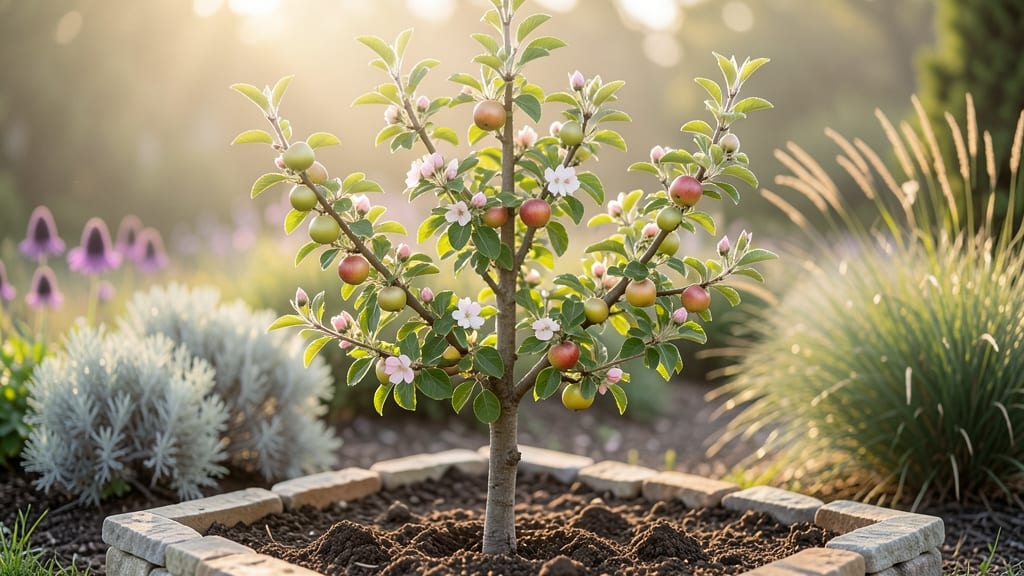
Transforming your yard into a year-round apple orchard doesn’t require acres—just a dwarf apple tree shrub and the right pruning skills. 🌳 I’ve grown these compact beauties for five seasons, and they’ve taught me how to keep them productive, picturesque, and pest-resistant without the fuss of standard apple trees.
The secret lies in their shrub-like shape: no central leader, just multiple stems that branch naturally, creating a lush, bushy form perfect for small spaces.
You’ll need well-draining soil, 6+ hours of sun daily, and a sharp pair of pruners—plus a little patience as you train the branches to fill out evenly. Winter protection becomes simpler too, since their low height means less wind exposure.
By summer, you’ll be harvesting dozens of apples from a single plant, and the pruning routine takes just 20 minutes every few weeks. The key is opening up the center for airflow while encouraging outward growth—no formal espalier required.
Even in cold climates, these shrubs bounce back with proper care.
Perfect for urban yards, container growing, or even as a living privacy screen. Once established, they’re nearly maintenance-free—just watch for fire blight and keep an eye on those winter buds. Let’s get your shrub apple tree thriving all year!
📚 In This Guide
- What you need
- Instructions
- Tips and common mistakes
- Wrapping up and next steps
What you need
- ● Pruning shears: Bypass pruners (sharp, clean, and disinfected with rubbing alcohol)—1 pair.
- ● Loppers: For thicker branches (16–24 inches long, bypass-style for clean cuts)—1 pair.
- ● Hand pruners: For small branches/twigs (ergonomic grip recommended)—1 pair.
- ● Pruning saw: For large branches (>2 inches thick)—1 saw with a fine-toothed blade.
- ● Gloves: Heavy-duty, cut-resistant (e.g., leather or Kevlar)—1 pair.
- ● Disinfectant: 10% bleach solution or hydrogen peroxide (to prevent disease spread).
- ○ Pruning sealant: Optional but helpful for large cuts (e.g., tree wound paint).
- ● Ladder or step stool: Sturdy, non-slip (if branches are high).
- ● Tarp or bucket: For collecting clippings (1–2 units).
- ● Notebook & pen: To sketch your pruning plan (or use a pruning app like iTree).
- ● Pole pruner: Extendable for high branches (20–30 feet reach).
- ● Rubbing alcohol wipes: For quick disinfection between cuts.
- ● Safety glasses: To protect eyes from debris.
- ● Marking twine/flags: To tag branches for future reference.
- ● Compost bin: For repurposing clippings (if not diseased).
Step-by-Step guide to cultivating an apple tree shrub
Transform your apple tree into a graceful shrub with intentional pruning—here's how to achieve that sculpted, year-round beauty.
✂️ Step 1: Assess and Plan Your Pruning Strategy
Begin by examining your apple tree's structure during its dormant season, typically in late winter or early spring before buds swell. Look for crossing branches, dead or diseased wood, and suckers growing from the base—these are your first targets. I like to sketch a rough outline of the tree, marking branches to keep and remove. This helps visualize the final shape while ensuring you maintain a balanced canopy.
Apple tree shrubs thrive with an open center design, allowing light and air to circulate freely. Aim to preserve 3-5 main scaffold branches spaced evenly around the trunk. These should emerge at 45-degree angles for structural strength. If your tree has more, prioritize removing the smallest or weakest branches first to avoid overstressing the plant.
✂️ Step 2: Remove Problematic and Weak Growth
Start by cutting out any dead, diseased, or damaged branches using clean, sharp pruning shears. Make your cuts at a 45-degree angle, just outside the branch collar—the swollen area where the branch meets the trunk. This ensures proper healing and prevents water from pooling on the wound. For larger branches thicker than 1/4 inch, use loppers and seal the cuts with pruning paint if they're over 1/2 inch in diameter.
Next, address crossing branches—where two branches rub against each other. Remove one of the branches completely, cutting back to the point where it branches off from a larger limb. If you're unsure which to keep, remove the smaller or weaker branch. Watch for water sprouts (fast-growing, vertical shoots) and suckers (shoots growing from the base or roots)—these compete with fruit production and should be pruned back to the ground.
☀️ Step 3: Shape for Light Penetration and Airflow
Step back and evaluate the tree's overall shape, aiming for a rounded, vase-like form that allows sunlight to reach the center. Thin out branches to open up the canopy, removing 20-30% of the foliage during the first pruning session. Focus on branches that grow inward or downward, as these block light and airflow, creating conditions ripe for fungal diseases like apple scab.
For lateral branches, cut back to a bud facing outward to encourage growth in the desired direction. Avoid leaving stubs—always cut just above a bud or branch collar. If you're pruning in stages, prioritize the outer branches first, then work your way inward. You'll know you're on the right track when you can see light filtering through the center of the tree and air moving freely between branches.
⏰ Step 4: Summer Maintenance for Controlled Growth
After the initial spring pruning, monitor your apple tree shrub throughout the growing season. In early summer, look for vigorous new growth that's outpacing the rest of the tree—these are often water sprouts or suckers that need immediate attention. Prune these back by one-third to redirect energy into fruit production rather than excessive foliage.
Also, keep an eye out for shoot growth from the base or rootsuckers—remove these as soon as they appear to prevent them from competing with the main tree. Summer pruning is less about shaping and more about controlling growth direction and encouraging fruiting spurs. Avoid heavy pruning in summer, as it can stimulate too much new growth that won't harden off before winter.
🌿 Step 5: Winter Preparation for Next Year's Growth
As winter approaches, give your apple tree shrub a final inspection. Remove any dead or broken branches that may have formed during storms or heavy fruit loads. This is also the time to thin out dense growth that could harbor pests or diseases over the winter. If you notice mummified fruit (dried, shriveled apples still clinging to the tree), remove these to reduce pest populations and fungal spores.
Apply a 2-3 inch layer of mulch around the base of the tree, keeping it 6 inches away from the trunk to prevent rot. This helps insulate the roots and retain moisture. If your tree is young or recently pruned, consider wrapping the trunk with tree guard to protect it from rodents and winter sunburn. By the time spring arrives, your apple tree shrub will be primed for another year of graceful growth and abundant fruit.
Tips & tricks for perfect apple tree shrub pruning
The difference between a wild, unruly apple tree and a sculpted, year-round beauty often comes down to these precise pruning strategies. Here's what nobody tells you about transforming your tree into an elegant shrub.
Pruning Timing: The dormant season—late winter or early spring before buds swell—is your golden window for major pruning. This timing prevents stressing the tree during active growth. I've learned the hard way that pruning too early (when it's still freezing) or too late (when buds are swelling) can shock the tree. Mark your calendar for when your local frost dates typically end—this is your cue to start planning.
Branch Angle Matters: When selecting your 3-5 main scaffold branches in Step 1, pay close attention to their angles. Branches emerging at 45-degree angles provide the best structural support and distribute weight evenly. I once kept a branch growing straight up from my tree's trunk—it looked good initially but eventually split under the weight of apples. Always prioritize branches with that ideal angle, even if it means removing a slightly larger branch that's growing straight up.
Cutting Technique: The 45-degree angle cut just outside the branch collar (Step 2) isn't just about looks—it's about the tree's healing process. This angle prevents water from pooling on the wound, which could lead to rot. For branches thicker than 1/4 inch, use loppers and make your cut just above a bud facing the direction you want growth to continue. I've seen too many pruning jobs where people left stubs or cut at awkward angles, leading to weak growth points and potential disease entry.
Seasonal Maintenance: Summer isn't the time for major shaping, but it's crucial for controlling growth direction (Step 4). When you see those vigorous water sprouts or suckers growing from the base, prune them back by one-third immediately. This redirection of energy encourages fruit production rather than excessive foliage. I make a habit of carrying pruning shears with me during summer walks—you never know when you'll spot that problematic new growth.
Pro Tips for Apple Tree Shrub
- The difference between a wild, unruly apple tree and a sculpted, year-round beauty often comes down to these precise pruning strategies.
- Pruning Timing: The dormant season—late winter or early spring before buds swell—is your golden window for major pruning.
- Branch Angle Matters: When selecting your 3-5 main scaffold branches in Step 1, pay close attention to their angles.
Frequently asked questions
Got questions about keeping your apple tree shrub looking its best year-round? You’re not alone!
Here are answers to the most common queries—from pruning timing to troubleshooting—so you can master the art of shaping your compact apple beauty with confidence.
When is the best time to prune an apple tree shrub?
The ideal time is late winter or early spring, before buds swell ( February–March in most zones). This encourages vigorous growth while avoiding disease risks. A light prune in summer (after harvest) can also shape it, but avoid heavy cuts—it stresses the plant!
How much can I trim back an apple tree shrub?
For standard shaping, remove no more than 25–30% of the foliage per year. Over-pruning weakens the tree and reduces fruit yield. Focus on dead, crossing, or overcrowded branches first. If it’s severely overgrown, space cuts over 2–3 years to avoid shock.
Will pruning affect my apple harvest?
Pruning can boost fruit quality! By opening the canopy, you improve airflow ( reducing disease) and sunlight penetration ( sweeter apples). Just avoid heavy cuts during bloom time—this can lower next year’s yield. Balance form and function!
What should I do if my apple tree shrub isn’t blooming?
Check these fixes:
- Age: Young shrubs (under 3 years) may need patience.
- Sunlight: Ensure 6+ hours of direct sun daily—shady spots stunt blooms.
- Fertilizer: Test soil; add balanced 10-10-10 in early spring if deficient.
- Pruning: Avoid cutting flower buds (fat, rounded swellings)—they form the year before!
If issues persist, pests or disease might be culprits—inspect leaves and branches closely.
Can I grow an apple tree shrub in a container?
Dwarf varieties (like ‘Columnar’ or ‘Sentinel’) thrive in containers with:
- 15–20 gallon pot (for mature shrubs).
- Well-draining soil (mix potting soil with perlite).
- Regular watering (keep soil moist but not soggy).
- Winter protection (move indoors or wrap pot in burlap if temps drop below 10°F).
Pro tip: Rotate the pot quarter-turns monthly for even growth!
Wrapping up and next steps
Transforming your apple tree shrub into a year-round masterpiece is all about precision, patience, and passion! 🌿 With the right tools, timing, and techniques, you’ll enjoy lush blooms, bountiful fruit, and a beautifully shaped shrub that turns heads.
Whether you’re a pruning pro or just starting, every snip brings you closer to that dream garden.
Ready to take the next step? Grab your shears, mark your calendar, and start pruning today! Your future apple tree shrub will thank you—one carefully placed cut at a time. 🌟