
Pruning
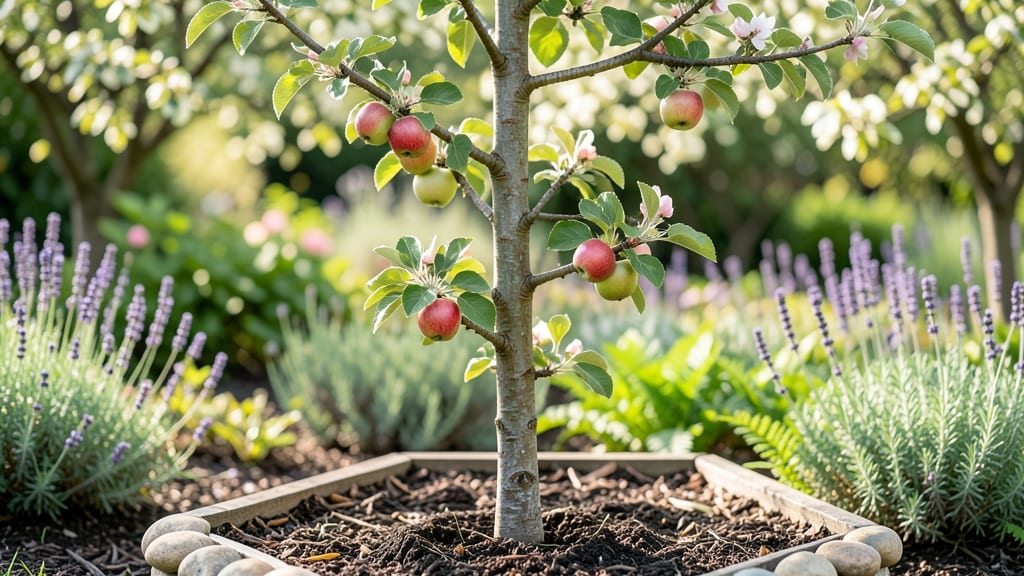
Transforming your small garden into a fruit-bearing masterpiece starts with an apple tree cordon—a space-saving technique that turns a single vertical trunk into a productive, elegant display. 🌳 I first tried this after watching my dwarf apple trees sprawl into unruly bushes, and now I swear by the clean lines and easy access it provides.
The secret lies in its simple training method: a single stem supported by wires, pruned to encourage horizontal branches that bear fruit along the length.
You’ll need just a few key supplies: a dwarf apple tree variety suited for cordon training (like 'Liberty' or 'Gold Rush'), sturdy posts or trellis wires, and basic pruning tools.
The setup takes about 30 minutes to install, and within a year, you’ll see those first fruiting spurs forming along your carefully placed branches. This method isn’t just practical—it’s also stunning, with a neat, modern look that fits perfectly in small yards or even large containers.
By summer, you’ll be harvesting crisp, flavorful apples from branches you can reach without a ladder. The pruning routine keeps the tree compact, and the vertical growth maximizes sunlight exposure for every fruit.
Plus, the open structure makes it easy to spot pests early. This isn’t just gardening—it’s creating a functional piece of art that produces food year after year.
Whether you’re working with a sunny balcony or a tight backyard corner, cordons adapt beautifully. The key is patience—it takes about 2-3 years to reach full productivity, but the payoff is worth every careful prune. Here’s how to get started without the guesswork.
📚 In This Guide
- What you need
- Instructions
- Tips and common mistakes
- Wrapping up and next steps
What you need
- ● Apple Tree Cordon Plant: 1–3 dwarf rootstock saplings (e.g., M.9 or M.26), grafted with a compatible apple variety (e.g., ‘Granny Smith,’ ‘Fuji,’ or ‘Honeycrisp’).
- ● Tip: Choose 1-year-old whips (bare-root or potted) for best results.
- ● Support Structure: 1–2 wooden stakes (4–6 ft tall) or a metal trellis (3–4 ft wide).
- ● 4–6 garden ties or soft plant clips (avoid wire—it can damage bark!).
- ● Pruning Tools: 1 sharp bypass pruners (for clean cuts).
- ● 1 sterilized pruning saw (if dealing with thicker branches).
- ● 1 rubbing alcohol (70%+) or bleach solution (1 part bleach to 9 parts water) for sterilization.
- ● Growing Medium: Well-draining potting mix (for container gardening) or native soil amended with compost (for in-ground planting).
- ● 1 5-gallon container (if growing in pots) with drainage holes.
- ● Fertilizer: Balanced slow-release fertilizer (10-10-10) or organic compost (apply at planting and annually).
- ● 1 mulch blanket (2–3 inches of straw or wood chips) to retain moisture.
- ● 1 spray bottle for misting (keeps young plants hydrated).
- ● 1 fruit tree spray (e.g., neem oil or copper fungicide) to prevent pests/diseases.
- ● 1 garden hose with nozzle or drip irrigation kit for consistent watering.
- ● 1 label tags to track varieties (especially if growing multiple cordons!).
Step-by-step instructions for training an apple tree cordon
Here's how I train a single-stem apple tree into a sleek, space-saving cordon—perfect for small gardens or urban patios.
🌱 Step 1: Select and Prepare Your Young Tree
Start with a 1-year-old apple tree whip (a single bare root or potted tree with no branches). I always choose dwarf varieties like 'Columnar' or 'Spindle Bush' for easier training. Plant it in well-draining soil mixed with compost, about 4-6 inches deeper than its container to encourage strong root development. Water deeply right after planting to settle the soil around the roots.
Position the tree in full sun (at least 6-8 hours daily) where it won’t be disturbed by foot traffic or pets. A south-facing wall or fence works great for cordons. Stake it lightly with a 3-foot bamboo stake tied loosely to the trunk with soft cloth—you want to support it without restricting growth. The goal is to keep the trunk straight and upright as it develops.
☀️ Step 2: Prune for the First Vertical Leader
Wait until early spring (just as buds swell) to begin pruning. Remove any side branches that form naturally in the first year—these compete with your planned framework. Use clean, sharp pruners to cut just above a outward-facing bud, leaving a small stub. I always sterilize my tools with rubbing alcohol between cuts to prevent disease.
Let the tree grow uninterrupted for its first year, allowing the main trunk to reach 4-5 feet tall. This vertical leader becomes the backbone of your cordon. You’ll see strong, upright growth with no competing branches—this is your signal that the tree is ready for the next step. If side branches appear, prune them immediately to maintain the single-stem structure.
✂️ Step 3: Train the First Horizontal Fruiting Spur
In late spring (when new growth is 6-8 inches long), select the strongest branch near the top of the tree. Bend it gently downward to form a 45-degree angle from the trunk. Secure it with a soft plant tie or rubber band, but don’t pull too tight—you want to guide, not strangle. This creates your first fruiting spur, where apples will develop.
Let this branch grow 12-18 inches before pruning back the tip to encourage side shoots. These smaller branches will bear fruit in 1-2 years. You’ll see new buds forming along the bent branch—these are your future apple clusters. Remove any vertical growth that appears on the spur to keep energy focused on horizontal fruiting wood.
🌿 Step 4: Develop the Cordon Framework Over Time
Each year, add one new horizontal spur below the previous one, spacing them 8-12 inches apart. I like to work from the top down, so the oldest spur is always at the highest point. Bend and tie new branches in the same 45-degree angle, pruning tips to encourage bushiness. By year 3, you’ll have a 4-5 foot tall cordon with 3-4 fruiting spurs—each capable of producing apples.
Thin out any competing vertical growth immediately. The key is patience—cordons take 3-5 years to reach full production, but the payoff is worth it. You’ll know you’re on track when the tree looks like a tight, elegant ladder with no wild branches. Water deeply once a week during dry spells, but avoid wetting the leaves to prevent fungal diseases.
⏰ Step 5: Maintain and Harvest Your Cordon
Once established, prune in late winter to remove any dead wood or overcrowded spurs. Shorten last year’s growth by one-third to keep the tree compact. I also check for suckers (shoots growing from the base) and remove them immediately—they drain energy from your fruiting branches.
Harvest apples when they easily detach from the tree with a slight twist. You’ll see the fruit pull away cleanly, leaving a small stem. Store them in a cool, dark place for up to 2 months. Cordon apples are small but intensely flavorful—perfect for fresh eating or sauces. With proper care, your tree will produce dozens of apples annually in minimal space.
Tips & tricks for perfect apple tree cordon training
Here's the thing about apple tree cordons—they're all about patience and precision. These little details make the difference between a wild, sprawling mess and a sleek, productive masterpiece.
Sunlight Strategy: That 6-8 hours of daily sun is non-negotiable for cordons. I've learned the hard way—when I planted mine against a north-facing wall, the growth was spindly and weak. Position your tree where it gets maximum sunlight, especially in cooler climates. If your space gets less than 6 hours, consider a dwarf variety that tolerates partial shade better, like 'Liberty' or 'Enterprise'.
Pruning Precision: When you're pruning those side branches in Step 2, always cut just above an outward-facing bud. This little detail ensures your cuts heal properly and new growth emerges in the right direction. I use a small marker to flag the buds I want to keep before I start cutting—it saves time and prevents mistakes. And here's what nobody tells you: sterilize your pruners between cuts with rubbing alcohol, not just water. I've seen fungal infections ruin promising young trees because of this oversight.
Bending Technique: That 45-degree angle for your fruiting spurs isn't arbitrary—it's the sweet spot for fruit production. Bend too steeply, and you'll stress the branch; too shallow, and you won't get enough fruiting wood. I use a soft plant tie that's about 12 inches long to create the angle, then adjust it as the branch grows. Pro tip: do this bending in late spring when the new growth is still pliable but established enough to handle the manipulation.
Watering Wisdom: Deep watering once a week during dry spells is perfect, but there's more to it. I water in the morning so the leaves have time to dry before evening, which prevents fungal issues. And here's my secret: I always water at the base, never overhead. The shock of water on leaves can actually cause scorch marks, especially in hot afternoons. For the first year, I check the soil moisture every few days—cordons are shallow-rooted and dry out faster than you'd think.
Pro Tips for Apple Tree Cordon
- Here's the thing about apple tree cordons—they're all about patience and precision.
- Sunlight Strategy: That 6-8 hours of daily sun is non-negotiable for cordons.
- Pruning Precision: When you're pruning those side branches in Step 2, always cut just above an outward-facing bud.
Frequently asked questions
Got questions about growing an apple tree cordon? You’re not alone! Here are answers to the most common queries to help you cultivate this space-saving beauty with confidence.
What’s the best time of year to plant an apple tree cordon?
The ideal time is late autumn or early spring—when the tree is dormant but the ground isn’t frozen. This gives roots time to establish before summer heat or winter cold sets in. Avoid planting in extreme temperatures (below 40°F or above 90°F).
How long does it take for a cordon apple tree to bear fruit?
With proper care, you can expect first fruits in 2–3 years, though some varieties may take slightly longer. Patience pays off—healthy cordons produce abundant, high-quality fruit once mature. Dwarf rootstocks (common for cordons) speed up the process!
Can I grow a cordon apple tree in a container?
Cordons thrive in large containers (15+ gallons) with drainage holes. Use a well-draining potting mix and repot every 2–3 years. Place in full sun (6+ hours/day) and water consistently. Just ensure the container is sturdy—cordons can grow 6–8 feet tall!
How do I prune a cordon apple tree to keep it healthy?
Prune in late winter or early spring to remove dead/diseased wood and shape the tree. Focus on:
- Trimming overlapping branches to improve airflow.
- Shortening suckers (shoots from the base).
- Thinning fruit clusters to prevent overcrowding.
What pests or diseases should I watch for in cordon apple trees?
Common issues include:
- Aphids (sap-sucking insects) – Spray with soapy water or neem oil.
- Apple scab (fungus) – Use copper fungicide or organic sprays.
- Fire blight – Remove infected branches immediately and disinfect tools.
Wrapping up and next steps
Growing an apple tree cordon is a fantastic way to bring fruit to small gardens without sacrificing space or style! With minimal pruning, a sunny spot, and a little patience, you’ll enjoy fresh, homegrown apples in just a few years.
Whether you’re a beginner or a seasoned gardener, this space-saving method proves that big rewards come in compact packages.
Ready to take the next step? Start by selecting your favorite variety—then grab your tools and get pruning! Your future self (and your taste buds) will thank you. 🍏✨