
Pruning
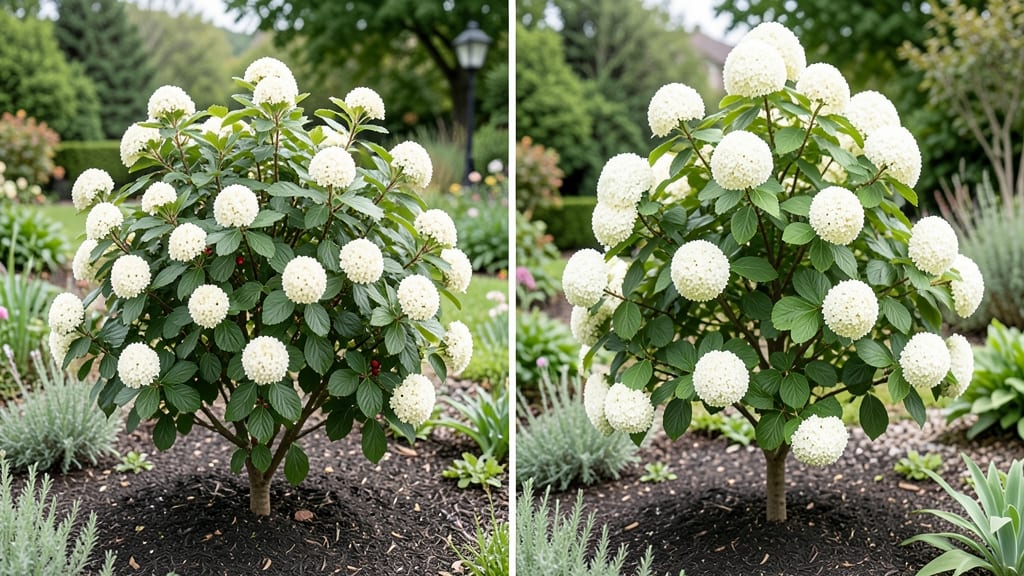
Deciding between a snowball tree and snowball bush means choosing between Viburnum opulus with its delicate, arching branches and Viburnum dentatum with its sturdy, rounded form—both packing those iconic white spring blooms. 🌸 I’ve pruned both in my yard, and the difference in shape, hardiness, and care requirements is what makes one the perfect fit for tight spaces while the other thrives as a statement piece.
The snowball tree (Viburnum opulus) grows 6-12 feet tall with a more open, airy habit, while the snowball bush (Viburnum dentatum) stays 6-8 feet but with a denser, bushier silhouette.
Both handle shade better than you’d think, but the bush handles heat and humidity like a champ—ideal for southern gardens. Their leaves differ too: the tree’s are smooth-edged and heart-shaped, while the bush’s are toothed and more oval.
Pruning them right is where the magic happens. Cut back the snowball tree’s leggy branches in late winter to encourage fresh growth, while the bush responds better to light shaping after flowering.
Both reward you with year-round interest—red berries in fall, glossy foliage in winter, and those dreamy spring blooms. The tree’s flowers are flatter clusters, while the bush’s are slightly domed, but both smell like heaven when they burst open.
Pick the tree if you want a graceful, slightly wild look that pairs well with perennials; go for the bush if you need a low-maintenance, dense hedge that still puts on a show.
Both are zoned 2-8, so they’ll handle your winters no problem. Once you see them side by side, you’ll spot the difference in seconds—trust me, I’ve had gardeners do it.
The first product explained
Meet the Viburnum odoratissimum—the classic Snowball Tree! 🌸✨ This stunning evergreen shrub is a showstopper in any landscape, known for its lush, glossy foliage and massive, snowball-like clusters of fragrant white flowers that bloom in early spring. Whether you're a seasoned gardener or a plant enthusiast looking to elevate your yard, this tree is a must-have for year-round beauty and low-maintenance charm.
📏 Key Specs & Features
- Mature Height: 10–15 feet (can be pruned smaller for a bush-like appearance)
- Spread: 8–12 feet (widens with age)
- Growth Rate: Moderate (12–24 inches per year)
- Sunlight Needs: Full sun to partial shade (thrives in USDA Zones 7–10)
- Soil Type: Adaptable but prefers well-draining, slightly acidic soil
- Flowering Season: Early spring (March–April), with occasional summer blooms
- Fragrance: Delicate, sweet scent (especially noticeable in the morning)
- Foliage: Dark green, leathery leaves that stay evergreen in mild climates
- Wildlife Appeal: Attracts bees, butterflies, and birds
🎯 Who’s It For?
This Snowball Tree is perfect for:
- 🏡 Homeowners looking to add year-round structure and color to their landscape.
- 🌿 Pruning enthusiasts who enjoy shaping plants for fuller, denser growth.
- 🐝 Eco-conscious gardeners who want to support pollinators and local wildlife.
- 💐 Wedding/Event Planners—its dramatic blooms make for stunning backdrops or cut flowers!
- 🏡 Urban gardeners with space for a small tree (can be pruned into a large shrub).
💰 Price Point & Availability
Pricing varies based on size and retailer, but here’s a general range:
| Size/Stage | Price Range (USD) | Best For |
|---|---|---|
| 1-gallon container (young plant) | $25–$45 | New gardeners or small-space planting |
| 3–5 gallon container (established) | $50–$90 | Quick landscape impact |
| 15-gallon or larger (mature) | $100–$200+ | Statement pieces or large properties |
💡 Pro Tip: Check local nurseries or online retailers like Fast-Growing-Trees.com or Proven Winners for seasonal sales or bulk discounts!
The second product explained
Meet the Viburnum opulus—the Snowball Bush! 🌸✨ If the Styphnolobium japonicum (Snowball Tree) is the showstopper of the garden, the Snowball Bush is the charming, compact sidekick that steals hearts with its romantic, cascading blooms and low-maintenance elegance. Perfect for smaller spaces, containers, or as a hedge, this deciduous shrub is a pruning enthusiast’s dream—especially if you love year-round interest with minimal fuss.
🌿 Key Specs & Features
- Height & Spread: Typically grows 6–10 feet tall and 6–8 feet wide (dwarf varieties like 'Compactum' stay under 4 feet).
- Bloom Time: Spring (April–June), with snow-white, globe-shaped clusters (each up to 4 inches wide!) that resemble real snowballs.
- Foliage: Dark green, glossy leaves that turn vibrant red or orange in fall, adding seasonal flair.
- Hardiness: Thrives in USDA Zones 3–8, making it versatile for cold climates.
- Sunlight Needs: Partial shade to full sun (morning sun + afternoon shade is ideal to prevent leaf scorch).
- Soil Tolerance: Adapts to most soil types, including clay or sandy loam, but prefers well-draining, slightly acidic soil.
- Wildlife Appeal: Birds and pollinators adore it—its berries (though not edible for humans) feed wildlife in fall/winter.
🎯 Who’s It For?
The Snowball Bush is the ultimate pick for:
- Small-space gardeners: Its compact size makes it perfect for patios, balconies, or foundation plantings.
- Pruning novices: Unlike the Snowball Tree, it doesn’t require heavy pruning—just light shaping after blooming to encourage fullness.
- Seasonal color lovers: From spring blooms to fall foliage, it’s a year-round visual treat.
- Hedge enthusiasts: Plant multiple bushes in a row for a lush, privacy-friendly barrier.
- Eco-conscious gardeners: Its low-maintenance nature and wildlife benefits make it a sustainable choice.
💰 Price Point & Availability
Prices vary by size and retailer, but here’s a general range:
| Size | Price Range | Best For |
|---|---|---|
| 1-gallon container | $25–$45 | Small gardens, containers, or test planting. |
| 3–5 gallon | $45–$80 | Established planting in landscapes. |
| Dwarf varieties (e.g., 'Compactum') | $35–$60 | Urban gardens, tight spaces, or bonsai-style pruning. |
Pro tip: 💡 Check local nurseries or native plant specialists for healthier, region-specific stock. Some big-box stores carry it, but online retailers (like Fast-Growing-Trees or PlantNetwork) often have competitive prices and shipping options.
Head-to-head comparison
Deciding between a snowball tree (Viburnum odoratissimum) and a snowball bush (Viburnum opulus)? Both are stunning choices for year-round beauty, but their care—especially pruning—differs in key ways. Below, we break down their differences in a side-by-side comparison to help you pick the perfect fit for your garden! 🌿✨
🌱 Growth Habit & Size
The most obvious difference between these two plants lies in their structure and growth patterns. Understanding this will shape how (and when) you prune them.
| Category | Snowball Tree (Viburnum odoratissimum) | Snowball Bush (Viburnum opulus) |
|---|---|---|
| Type | Small, multi-trunked tree (can reach 10–15 feet tall with proper care). | Medium-height shrub (typically 5–8 feet tall, though some varieties stay smaller). |
| Shape | Upright, pyramidal with a natural, tree-like form. Branches spread gracefully but stay relatively dense. | Bushy, rounded with multiple stems. Can become leggy if not pruned regularly. |
| Spread | 6–10 feet wide (narrower than the bush). | 5–10 feet wide (varies by variety; some spread wider). |
| Pruning Impact | Pruning shapes the tree’s natural form—focus on maintaining its height and density. | Pruning controls spread and encourages bushiness—requires more frequent trimming to prevent overgrowth. |
Pro Tip: 💡 If you love a structured, tree-like look, the snowball tree wins. For a low-maintenance, rounded shrub, the snowball bush is your best bet!
🌸 Flowering & Seasonal Interest
Both plants are famous for their snowball-like blooms, but timing, duration, and additional seasonal features set them apart.
| Category | Snowball Tree | Snowball Bush |
|---|---|---|
| Flowering Time | Late spring to early summer (May–June). | Mid to late spring (April–May), often earlier than the tree. |
| Flower Clusters | Larger, dome-shaped clusters (up to 4 inches wide). | Smaller but denser clusters (2–3 inches wide). |
| Fragrance | Highly fragrant! 🌸 Leaves also emit a citrusy scent when crushed. | Fragrant but subtler than the tree. Some varieties (like 'Roseum') are nearly scentless. |
| Fall Color | Deep purple-red foliage in fall (striking contrast!). | Moderate fall color—yellow-green to reddish, but not as vibrant. |
| Winter Interest | Retains some structure and can be pruned for winter shape. | Often dormant but has exfoliating bark for texture. |
| Pruning Impact on Flowers | Prune after flowering to avoid cutting off next year’s blooms. | Can prune lightly in early spring (before buds swell) or after flowering. |
Pro Tip: ✨ If you want longer-lasting fragrance and bold fall colors, the snowball tree steals the show. For earlier blooms and a more classic shrub look, the bush is ideal!
✂️ Pruning Requirements
This is where the real differences shine! Pruning needs vary based on growth habit, flowering time, and desired shape.
| Category | Snowball Tree | Snowball Bush |
|---|---|---|
| Best Time to Prune |
|
|
| Pruning Frequency | Every 1–2 years for maintenance; more if overgrown. | Annual light pruning recommended to control spread. |
| How to Prune |
|
|
| Pruning Tools Needed | Hand pruners, loppers, and pole pruners (for taller branches). | Hand pruners, loppers, and hedge shears (for shaping). |
| Post-Pruning Care | Apply mulch to protect roots; water deeply if pruned heavily. | Fertilize lightly after pruning to support new growth. |
Pro Tip:
Which one should you choose?
So, which one should you bring home—the snowball tree (Viburnum odoratissimum) or the snowball bush (Viburnum opulus)? The answer depends on your space, goals, and how much elbow grease you’re willing to put in. Here’s a quick verdict to help you decide:
🌳 Pick the Snowball Tree If...
- You’re dreaming of a statement piece. This tree grows tall (up to 20–30 feet!) and thrives as a focal point in large gardens, parks, or even urban landscapes. Perfect if you want drama and height!
- Low-maintenance pruning is your jam. While it still needs occasional trimming, its natural shape and slower growth mean less frequent interventions. Ideal for busy gardeners who still want beauty.
- You love fragrance. The snowball tree’s flowers release a delightful citrusy scent—great for scent gardens or near patios where you can enjoy the aroma.
- Your zone is mild. It’s hardy in USDA zones 7–10, so if you’re in a warmer climate, this is your best bet for year-round fullness.
🌿 Pick the Snowball Bush If...
- You need a compact, versatile shrub. At 6–10 feet tall, it fits snugly in borders, hedges, or even containers. Great for smaller yards or layered garden designs!
- You’re up for a little more pruning love. Its bushier growth and faster spread mean you’ll shape it more often—but the payoff is dense, lush blooms year after year.
- Wildlife is a priority. Snowball bushes attract birds and pollinators like crazy, thanks to their berries and flowers. A win for eco-friendly gardens!
- Your zone is cooler. It thrives in zones 2–7, making it a tough, reliable choice for northern climates.
💡 Pro Tip for Both:
No matter which you choose, prune after flowering to encourage next year’s blooms. For the tree, focus on removing dead wood and thinning out crowded branches. For the bush, keep it rounded and bushy with regular trims—think of it like giving your plant a haircut!
Still unsure? Ask yourself: Do you want a tree-like giant or a bushy workhorse? Your space—and your pruning patience—will thank you! 🌟