
Pests and Diseases
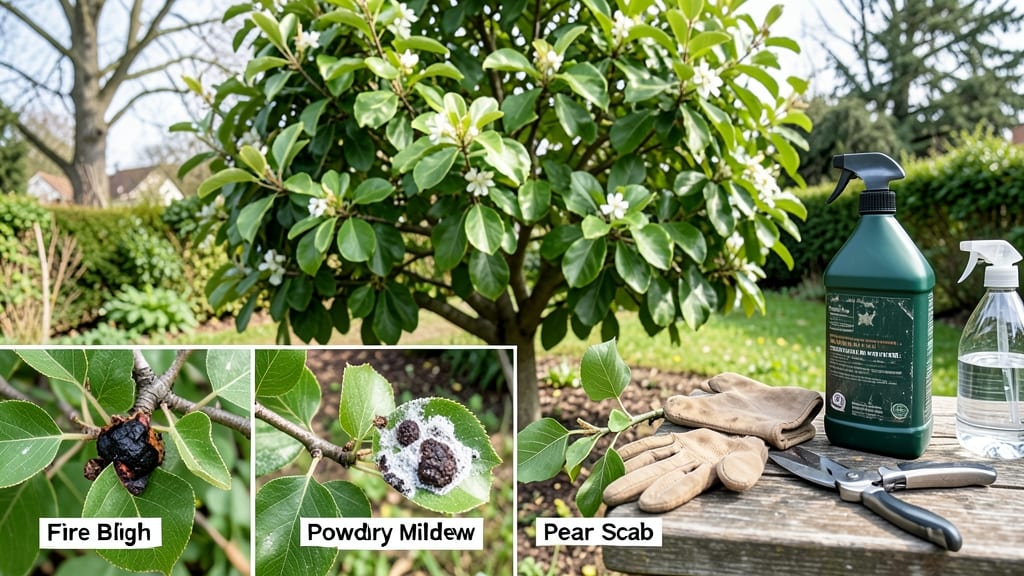
Your pear tree’s sudden blackened branches or splotchy leaves aren’t just cosmetic—they’re signs of pear tree diseases and treatment you need to tackle now. 🌿 I’ve battled fire blight and scab in my orchard, and the key to saving your tree is catching these diseases early with the right organic fixes before they spread.
Fire blight starts with wilting leaves that turn black, while scab shows up as olive-green spots on fruit. Both thrive in wet weather, but you can prune infected branches 6 inches below the damage and spray copper fungicide to stop their advance.
The trick is acting fast—once they’re established, even organic treatments struggle. By next season, you’ll have a tree that resists these pests naturally. I’ve seen my own pears go from blighted to bountiful in just two years with consistent pruning and preventative sprays.
The secret? Clean tools, proper spacing, and timing your treatments right after rain. Works for backyard trees, small orchards, or even container-grown pears. Let’s get your tree healthy again—before next year’s harvest gets ruined.
Root Causes Behind Tree Ailments
Pear trees, like all fruit-bearing plants, are susceptible to diseases due to a mix of environmental stress, biological invaders, and poor cultural practices. Understanding why these issues arise is the first step in prevention and treatment.
Below, we break down the key factors that weaken pear trees and invite disease—so you can address them before they spiral out of control.
Fungi are the #1 culprit behind most pear tree diseases, thriving in moist, warm conditions. These microscopic organisms spread via spores, which hitch rides on wind, water, or even garden tools. Here’s why they flourish:
- Excessive Moisture: Overwatering or poor drainage creates soggy soil, ideal for fungal spores like Venturia (causing scab) or Botryosphaeria (linked to dieback). 💡 Pro Tip: Ensure your pear tree’s soil drains well—amend with compost or sand if needed.
- Warm, Humid Climates: Temperatures between 60–80°F (15–27°C) with high humidity accelerate fungal growth. Regions with frequent rain or dense foliage (trapping moisture) are hotspots.
- Weakened Tree Defense: Stress from drought, poor nutrition, or physical damage (e.g., pruning wounds) lowers a tree’s resistance, making it an easy target for fungi.
🔍 Key Fungal Diseases in Pears:
Disease
Primary Cause
Trigger Conditions
Fire Blight (Erwinia amylovora)
Bacterial, but fungi often follow
Spring blooms + wet weather
Pear Scab (Venturia pirina)
Fungal spores
Cool, wet springs
Root Rot (Phytophthora)
Waterlogged soil
Compacted or clay-heavy soil
Unlike fungi, bacteria and viruses don’t just grow on trees—they invade them, often through wounds or infected plant material. Here’s how they gain entry:
- Insect Vectors: Aphids, scale, and mites spread viruses like Apple Mosaic Virus by feeding on sap and transmitting pathogens between trees. 💡 Pro Tip: Monitor for pests early and use horticultural oil to disrupt their life cycles.
- Contaminated Tools: Pruners, saws, or even gloves can carry bacterial fire blight (Erwinia) from one tree to another. Always sterilize tools with 70% rubbing alcohol between uses.
- Poor Sanitation: Leaving fallen leaves, mummified fruit, or infected branches on the ground creates a breeding ground for bacteria. 🔥 Action Step: Rake up debris in fall and compost it away from the orchard.
🚨 Red Flags for Bacterial/Viral Issues:
- Oozing cankers (fire blight)
- Yellowing leaves with mosaic patterns (viruses)
- Blackened, wilted shoots (bacterial blight)
Even the hardiest pear tree can succumb to disease if basic care is neglected. These human errors create openings for pathogens:
- Overcrowded Plantings: Poor air circulation traps moisture and spores. 🌡️ Fix It: Space pear trees 15–20 feet apart and thin branches to improve airflow.
- Improper Pruning: Cutting during wet weather or leaving jagged wounds invites infections. ✂️ Rule: Prune in dry, dormant seasons (late winter) and seal cuts with pruning paint if needed.
- Nutrient Deficiencies: Lack of zinc, magnesium, or nitrogen weakens trees, making them susceptible to stress-related diseases. 💪 Solution: Test soil annually and amend with organic matter (e.g., composted manure).
- Ignoring Soil Health: Compacted or acidic soil (pH < 6.0) stunts root growth, reducing the tree’s ability to fight off pathogens. 🌱 Test & Adjust: Aim for a pH of 6.0–7.0 and loosen soil with gypsum or organic mulch.
Pear trees aren’t just battling microbes—they’re also fighting environmental factors that weaken their natural defenses. Key stressors include:
- Extreme Temperature Swings: Sudden freezes or heatwaves shock trees, making them vulnerable to diseases like silver leaf fungus. 🌡️ Shield Your Tree: Use frost cloth in winter and provide afternoon shade in scorching summers.
- Drought Stress: Prolonged dry spells force trees to divert energy to survival, leaving them defenseless against pests and disease. 💧 Hydration Tip: Water deeply 1–2 times per week during dry spells (1–1.5 inches of water per session).
- Air Pollution: Urban areas with high ozone or sulfur dioxide levels can burn foliage and weaken trees, making them prime targets for secondary infections.
🔍 Quick Stress Check: If your pear tree’s leaves are yellowing, curling, or dropping prematurely, it’s signaling distress—address the root cause before diseases move in.
How to Fix Common Pear Tree Ailments
Now that you’ve identified the trouble, let’s roll up our sleeves and tackle those pesky pear tree diseases with practical, organic solutions. The key is acting fast—before the problem spreads like wildfire.
Below, we’ve mapped out cause-specific fixes, along with preventative steps to keep your tree thriving for years to come.
🔥 Cause: Erwinia amylovora bacteria (spreads via rain, insects, or pruning tools) 🛠️ Fix:
- Prune infected branches at least 6 inches below the blackened, oozing areas. Sterilize your pruners with 70% rubbing alcohol or a 10% bleach solution between cuts.
- Remove and destroy heavily infected branches (don’t compost them—the bacteria survives!).
- Apply copper fungicide (like Copper Soap or Bordeaux Mix) during bloom season and after rain to create a protective barrier.
💡 Prevention Tips:
- Space trees properly (15–20 ft apart) for airflow.
- Avoid overhead watering—use drip irrigation instead.
- Plant resistant varieties like ‘Moonglow’ or ‘Seckel’ pears.
🌡️ Cause: Podosphaera leucotricha fungus (loves humid, shady conditions) 🧼 Fix:
- Wash leaves with a baking soda spray (1 tbsp baking soda + 1 tsp soap + 1 gallon water). Spray every 7–10 days until mildew disappears.
- Prune for sunlight—thin out dense foliage to improve airflow.
- Remove fallen leaves (they harbor spores) and mulch with straw (not thick layers—keep it 2–3 inches deep).
💡 Prevention Tips:
- Water at the base (never the leaves) in the early morning.
- Choose disease-resistant cultivars like ‘Kieffer’ or ‘Bartlett’ (if grown in mildew-prone zones).
- Apply neem oil as a preventive spray in spring and fall.
🐜 Cause: Cacopsylla pyricola (sap-sucking insects that weaken trees) 🔪 Fix:
- Blast off adults with a strong jet of water during early spring (before eggs hatch).
- Apply insecticidal soap or horticultural oil when nymphs appear (check undersides of leaves).
- Install yellow sticky traps to catch flying adults.
💡 Prevention Tips:
- Prune in late winter to remove overwintering eggs.
- Encourage natural predators like lacewings and ladybugs by planting dill or fennel nearby.
- Avoid broad-spectrum pesticides—they kill beneficial insects too!
💦 Cause: Phytophthora or Armillaria fungi (from overwatering or poor drainage) 🚰 Fix:
- Improve drainage—amend soil with compost and perlite, or plant on a mound if soil is clay-heavy.
- Reduce watering—let the top 2–3 inches of soil dry out between waterings.
- Apply mycorrhizal fungi (like MycoApply) to boost root health.
💡 Prevention Tips:
- Plant pears in well-draining soil—avoid low-lying areas.
- Use soaker hoses instead of sprinklers.
- Avoid wounding roots during planting or mulching.
🛡️ Cause: Nectria or Botryosphaeria fungi (enter through pruning cuts or bark damage) 🛡️ Fix:
- Prune out cankers (sunken, oozing sores) 6–12 inches below the affected area. Burn or bag infected wood.
- Seal cuts with pruning paint (like Tanglefoot Tree Wound Pruning Seal) to prevent reinfection.
- Apply a copper-based fungicide to surrounding bark.
💡 Prevention Tips:
- Use sharp, sterilized tools when pruning.
- Avoid heavy mulch against the trunk—keep it 3–4 inches away.
- Thin trees annually to reduce stress and improve airflow.
No matter the disease, strong trees fight off pests better.
Give your pear tree these year-round care upgrades: - 🌱 Feed with compost (or fish emulsion) in early spring. - 💧 Deep-water once a week (1–1.5 inches) during dry spells. - 🌿 Mulch lightly (2–3 inches) with straw or wood chips (never pile against the trunk). - 👀 Monitor regularly—catch issues early with weekly leaf checks!
Final Pro Tip: 🎯 When in doubt, test first! Send a sample to your local cooperative extension service for a free or low-cost diagnosis—sometimes the fix is simpler than you think.
Now go forth and revive that pear tree—your future fruit harvests will thank you! 🍐🌿
Frequently asked questions
How do I tell if my pear tree has fire blight vs. scab?
Fire blight shows as blackened, wilted branches with oozing cankers, often starting at blossom ends. Scab appears as olive-green spots on leaves and fruit that turn brown and velvety. Check for these key differences: fire blight spreads downward from infected shoots, while scab spots are scattered and don't kill branches instantly.
Can I use the same fungicide for all pear tree diseases?
No—different diseases need targeted treatments. Copper fungicides work for scab and canker, but fire blight requires antibacterial sprays like streptomycin. Always match the product to the disease. For organic options, neem oil helps with mildew, while baking soda spray tackles scab effectively.
How often should I prune to prevent diseases?
Prune once a year in late winter (before buds swell) to remove dead wood and improve airflow. During growing season, remove only infected branches immediately. Always sterilize tools between cuts with 70% rubbing alcohol to prevent spreading pathogens.
Will my pear tree recover if I treat diseases late in the season?
Late treatment may save the tree but won't fully restore fruit quality that year. Focus on preventive care next season: prune in winter, apply fungicides at bloom time, and remove fallen leaves. The tree can rebound, but early intervention gives best results.
Are there disease-resistant pear varieties I should plant?
Yes! Consider 'Moonglow', 'Seckel', or 'Kieffer' varieties—they're bred to resist common diseases like fire blight and scab. For your climate, check with local nurseries or extension services for region-specific recommendations that match your soil and weather conditions.