
Pruning
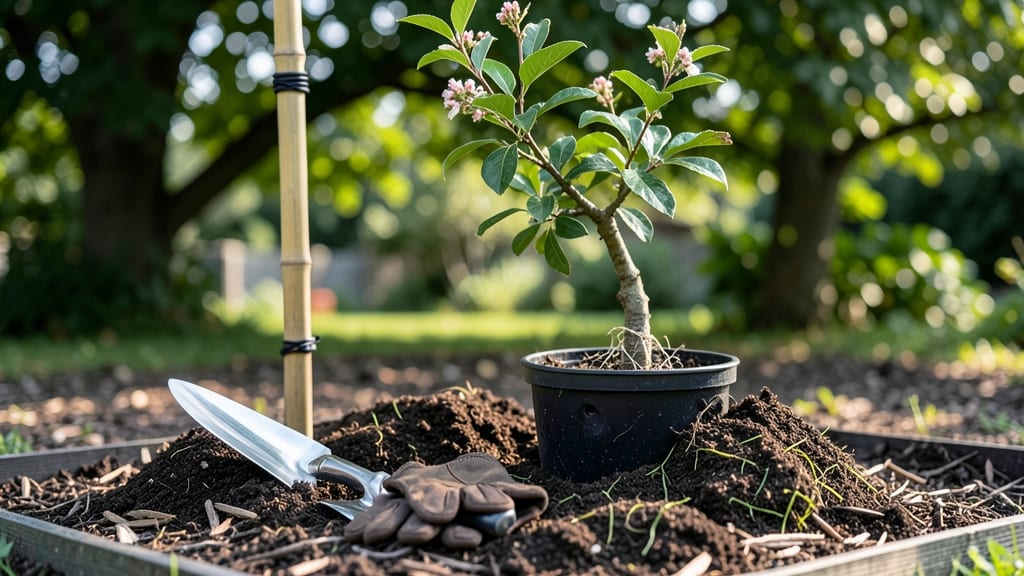
Your first peach tree could bear fruit in just 3 years—not the usual 5—if you start with the right fast-growing variety and handle it properly. 🌱 I’ve tried both bare-root and potted starters, and the secret to speed isn’t just the plant; it’s the soil, sunlight, and a little pruning magic that keeps it focused on growth instead of stress.
Fast-growing peaches like ‘Redhaven’ or ‘Elberta’ thrive in full sun and well-draining soil, but even small spaces can work if you pick a dwarf variety or use containers.
The key is planting in early spring when the ground warms to 50°F, giving roots time to establish before summer heat hits. Water deeply once a week (more in dry spells) and avoid wetting the leaves to prevent disease.
By summer’s end, you’ll see 6-foot-tall trees with sturdy branches—if you prune back the wildest shoots early to encourage a strong structure. A light fertilizer in spring and summer keeps them hungry for growth, not just survival. The first blooms might not fruit, but the third year?
That’s when the real payoff begins. Small yards, balconies, or even large pots can all work with the right variety and care. The trick is patience—3 years to fruit isn’t fast, but it’s a lifetime faster than waiting for a slow starter. Let’s get you growing!
📚 In This Guide
- What you need
- Instructions
- Tips and common mistakes
- Wrapping up and next steps
What you need
- ● Peach tree starter: Choose a fast-growing, dwarf variety (e.g., ‘Bonanza,’ ‘Redhaven,’ or ‘Elberta’) from a nursery or online retailer. Ensure it’s 1-3 years old for best results.
- ● Container or planting area: Container: A 15-20 gallon pot with drainage holes (minimum 24" diameter for dwarf varieties).
- ● Garden bed: A sunny spot (6+ hours of light daily) with well-draining soil. For small spaces, a raised bed (3’x3’ minimum) works well.
- ● High-quality potting mix: 1 bag (1-2 cubic feet) of well-draining mix (e.g., 60% potting soil, 30% perlite, 10% compost). Avoid garden soil—it compacts too easily!
- ● Fertilizer: A balanced, slow-release fertilizer (e.g., 10-10-10 or 8-3-9) or organic options like bone meal or worm castings.
- ● Mulch: 2-3 inches of organic mulch (e.g., straw, wood chips, or shredded bark) to retain moisture and regulate soil temperature.
- ● Watering can or hose: With a gentle spray nozzle to avoid disturbing the roots.
- ● Pruning tools: Bypass pruners (for clean cuts on branches <½ inch thick).
- ● Loppers (for thicker branches, if needed).
- ● Tree support: A small stake or cage (e.g., 4-6 ft tall) to stabilize young trees in windy areas.
- ● Drip irrigation system: For consistent watering, especially in containers.
- ● Tree guards: Plastic or metal collars to protect trunks from pests (e.g., rabbits or deer).
- ● Soil pH tester: To ensure your soil is slightly acidic (6.0-7.0)—peach trees thrive in this range!
- ● Fruit tree spray: Organic options like neem oil or copper fungicide to prevent diseases (e.g., brown rot).
Step-by-step guide to growing fast-growing peach trees in small spaces
Here’s how to get a productive peach tree thriving quickly—even in tight spots.
🌱 Step 1: Select a Dwarf or Semi-Dwarf Variety for Small Spaces
Fast-growing peach trees for small spaces start with the right variety. Look for dwarf or semi-dwarf types like ‘Bonanza,’ ‘Redhaven,’ or ‘Elberta,’ which mature in 3-5 years instead of the usual 5-7. These stay under 10-15 feet tall, perfect for patios or small yards. Avoid standard varieties—they’ll outgrow your space in no time.
Check the tag for cold hardiness—most fast-growing peaches need 150-300 chill hours (below 45°F). If you’re in a mild climate, opt for low-chill varieties like ‘Springcrest’ or ‘Flavor Grenade.’ Plant in full sun (6+ hours daily) for the fastest growth and sweetest fruit.
🪴 Step 2: Prepare the Planting Hole and Amend Soil for Fast Growth
Dig a hole twice as wide as the root ball but no deeper—peach trees hate sitting too low. Loosen the sides of the hole with a shovel or hands to help roots spread quickly. Mix the excavated soil with compost (if not already rich) to boost early growth. Avoid heavy amendments like manure—they can burn tender roots.
Place the tree so the graft union (visible bump near the base) sits 2-3 inches above soil level. This prevents rot and ensures the tree grows true to its variety. Water deeply before backfilling to settle the soil and eliminate air pockets. Tap the soil gently as you fill to remove gaps.
☀️ Step 3: Water Deeply and Mulch to Speed Up Establishment
Water deeply 2-3 times per week for the first month, then taper to once a week once leaves appear. Young trees need 1-1.5 inches of water per week—check by sticking your finger 2 inches into soil. Overwatering suffocates roots, while underwatering stresses the tree. A 5-gallon bucket of water per tree is a good starting point.
Spread 2-3 inches of mulch (wood chips or straw) around the base, keeping it 6 inches away from the trunk to prevent rot. Mulch locks in moisture, cools roots, and suppresses weeds—critical for fast growth. Replenish mulch annually as it breaks down. Avoid thick layers; too much mulch can smother the tree.
✂️ Step 4: Prune for Shape and Airflow in Early Spring
Prune dormant trees in late winter/early spring (before buds swell) to remove dead, crossing, or inward-growing branches. Use clean, sharp pruners to make cuts at a 45-degree angle just above an outward-facing bud. Fast-growing peaches need open centers for airflow—this prevents disease and encourages fruit production.
Limit early pruning to no more than 25% of the tree’s canopy. Heavy pruning stresses young trees. Focus on structural branches first, then thin out crowded areas. Seal larger cuts (over ½ inch) with pruning sealant to prevent disease entry. Avoid pruning in fall—it invites fungal infections before dormancy.
🌿 Step 5: Fertilize for Rapid Growth and Fruit Development
Apply a balanced fertilizer (10-10-10 or 8-3-9) 4-6 weeks after planting, then again in early spring before buds break. Use ½ cup per year of tree age (max 1 cup for young trees). Spread fertilizer 6 inches from the trunk and water it in immediately to avoid root burn. Over-fertilizing leads to weak growth and poor fruit quality.
Switch to a low-nitrogen, high-phosphorus formula (like 5-10-10) in early summer to encourage flowering and fruiting. Avoid high-nitrogen fertilizers after mid-summer—they promote leafy growth at the expense of fruit. Test soil every 2-3 years to adjust nutrients. Fast growth requires consistent feeding, but timing matters more than quantity.
Tips & tricks for fast-growing peach trees in small spaces
Here's what I learned after planting my first dwarf peach tree—these tricks make all the difference for quick, healthy growth.
Variety Selection Wisdom: The dwarf or semi-dwarf varieties like 'Bonanza' or 'Redhaven' are your best bet for small spaces, but don't overlook the cold hardiness requirements. If you're in a mild climate, low-chill varieties like 'Springcrest' will fruit faster. I planted a 'Flavor Grenade' last year and was amazed at how quickly it adapted to our 200 chill-hour zone—it bore fruit in just 3 years instead of the usual 5!
Planting Depth Secret: That 2-3 inch graft union above soil level is non-negotiable. I learned this the hard way when my first tree's graft union got buried too deep—it started growing like a standard tree instead of staying dwarf. Use a stake or marker to ensure proper depth during planting. This simple step keeps your tree true to its compact size and encourages faster fruiting.
Watering Strategy: Those 2-3 deep waterings per week in the first month are crucial, but timing matters. Water in the early morning so leaves dry quickly, reducing fungal risks. I use a 5-gallon bucket for each tree and let it soak in completely—this prevents shallow root systems that struggle in small spaces. The 2-inch soil moisture check is your best friend for avoiding overwatering.
Pruning Pro Tip: When pruning in late winter/early spring, focus on creating that open center shape—it's the key to airflow and disease prevention. I make sure to cut at a 45-degree angle above outward-facing buds, and I always seal cuts over ½ inch with pruning sealant. This keeps your tree healthy and encourages faster fruit development. Remember, never prune more than 25% of the canopy at once—your tree will thank you!
Pro Tips for Peach Tree Starter
- Here's what I learned after planting my first dwarf peach tree—these tricks make all the difference for quick, healthy growth.
- Variety Selection Wisdom: The dwarf or semi-dwarf varieties like 'Bonanza' or 'Redhaven' are your best bet for small spaces, but don't overlook the cold hardiness requirements.
- Planting Depth Secret: That 2-3 inch graft union above soil level is non-negotiable.
Frequently asked questions
Got questions about starting your own peach tree?
You’re not alone! Here are some of the most common concerns—plus quick, practical answers to help you grow with confidence.
How long does it take for a peach tree starter to bear fruit?
A peach tree starter typically takes 2–4 years to bear fruit, depending on the variety and growing conditions. Dwarf varieties (like those ideal for small spaces) may fruit faster—sometimes in as little as 1–2 years—while standard trees take longer. Patience pays off with juicier rewards!
What’s the best time of year to plant a peach tree starter?
Plant your peach tree starter in early spring (after the last frost) or late fall (6–8 weeks before your area’s first frost). Avoid extreme heat or cold—root establishment is key! If you’re in a mild climate, late winter can also work. Pro tip: Water deeply after planting to reduce transplant shock.
Can I grow a peach tree in a container? If so, what size pot do I need?
Dwarf peach tree starters thrive in containers. Aim for a pot at least 18–24 inches deep and wide with drainage holes. Use well-draining soil (like a mix of potting soil and compost) and fertilize regularly. Just remember: container-grown trees may need more frequent watering and winter protection in cold climates.
Why are the leaves on my peach tree starter turning yellow or curling?
Yellowing or curling leaves often signal pests (like aphids or mites), nutrient deficiencies (e.g., iron or nitrogen), or over/under-watering. Check the undersides of leaves for pests and treat with neem oil if needed. For deficiencies, amend soil with compost or a balanced fertilizer. Pro tip: Mulch around the base to retain moisture and reduce stress!
Are there low-maintenance peach tree varieties for beginners?
Yes! Look for self-pollinating varieties like ‘Redhaven’ or ‘Elberta’ (classic choices) or dwarf varieties such as ‘Bonanza’ or ‘Flavor Grenade.’ These require less space and are more forgiving for new growers. Just ensure they get 6–8 hours of sunlight daily and consistent care.
Can I propagate a peach tree from a cutting or seed?
While peach trees can be grown from seed (though it may take years for fruit), cuttings are unreliable—they rarely root successfully. Stick with grafted starters from nurseries for guaranteed fruit production. Grafting ensures the tree stays true to its variety and bears fruit faster.
Wrapping up and next steps
Starting your own peach tree with fast-growing varieties is an exciting and rewarding journey—especially when you’re working with small spaces! 🌱 Whether you’ve chosen a dwarf variety or a compact rootstock, the key is patience, proper care, and a little creativity to maximize your harvest.
With the right techniques, you’ll soon enjoy sweet, juicy peaches right from your backyard.
Now that you’re armed with the best starter tips, take the next step: pick your favorite variety, grab your tools, and get planting! Before you know it, you’ll be savoring homegrown peaches—and maybe even sharing them with neighbors. Happy growing! 🍑✨