
Blooming
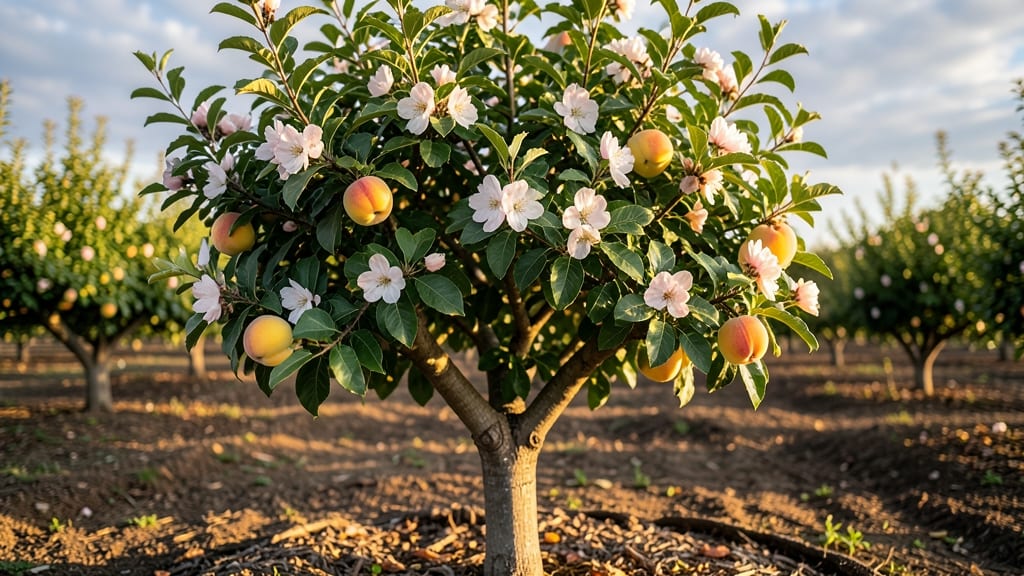
A peach tree typically takes 2 to 5 years to fruit, depending on the variety, climate, and care—so patience is key, but the wait is worth it for those juicy 🍑 rewards.
If you’ve ever planted a peach tree and wondered, "Will I ever get fruit?"—you’re not alone. Many gardeners assume these trees are slow starters, but with the right conditions, some varieties can surprise you with early harvests.
In Zone 6 (like most of the U.S.), standard peach trees often fruit within 3 to 4 years, while dwarf varieties may bear fruit in just 2 years.
The trick lies in chilling hours, soil health, and proper pruning—all factors we’ll break down to help you speed up the process.
Below, I’ll share the exact timeline for your climate, plus pro tips to encourage faster fruiting, so you can enjoy homegrown peaches sooner than you think.
Peach tree fruit timeline by climate zone: when to expect first harvests
Peach trees are a gardener’s dream—juicy, sweet fruit straight from your backyard—but patience is key. Most peach trees take 2 to 5 years to bear fruit, but this timeline shifts dramatically based on your USDA climate zone, variety, and care.
In warmer zones (7-9), you might see fruit as early as year 2, while cooler zones (5-6) often wait until year 4 or 5.
Why the difference? It boils down to chilling hours—the number of hours below 45°F (7°C) a tree needs during winter dormancy. Southern varieties require 300-500 hours, while Northern types need 800-1,000 hours. Planting the wrong variety in your zone can delay—or even prevent—fruit production entirely.
Below is a breakdown of fruiting timelines by zone, including early vs. late-bearing varieties and regional quirks. Use this as your roadmap to first harvest success!
If you’re in Zone 5 or 6, your Redhaven or Elberta peach tree might not fruit until year 4 or 5, but don’t despair—proper care can shave off 6-12 months. Focus on well-draining soil, consistent watering, and annual pruning to encourage early blooms.
In Zones 7-9, varieties like 'Relentless' can bear fruit in as little as 1.5 years, but they’re more sensitive to late frosts.
One common mistake? Planting a low-chill variety in a high-chill zone. For example, a Zone 9 peach like 'June Gold' won’t thrive in Zone 6—it’ll either fail to fruit or produce poorly. Always match your tree to your zone’s chilling hour requirements for the best results.
Dormancy periods also play a critical role. In Northern climates, peach trees enter dormancy earlier (by late October) and need 6-8 months of cold to reset for spring blooming. In Southern zones, dormancy is shorter, and trees may bloom as early as February, risking frost damage.
To protect early blooms, consider frost cloth or a row cover in unpredictable zones.
Pruning is another game-changer. Open-center pruning (removing 1/3 of the canopy annually) improves air circulation and sunlight penetration, which speeds up fruiting. Avoid heavy pruning in late winter—wait until early spring when the tree is still dormant but before buds swell.
This reduces stress and encourages fruit bud formation.
Soil pH matters too. Peach trees thrive in slightly acidic soil (pH 6.0-6.5). Test your soil and amend with sulfur or lime as needed. Poor soil can delay fruiting by 1-2 years, so invest in a compost-rich bed at planting.
A 5-gallon bucket of compost mixed into the planting hole works wonders.
Finally, patience pays off. Even with perfect care, some peach trees take up to 5 years to reach full production. But once they do, you’ll enjoy decades of harvests with minimal effort.
Mark your calendar for late spring blooms and mid-summer fruit, and soon you’ll be picking peaches straight from your tree!
🍑
How to speed up peach tree fruiting: pro tips for faster harvests
Waiting for your peach tree to fruit can feel like an eternity, but with the right care, you can shave 1-2 years off the typical 3-5 year timeline.
The key lies in optimizing soil health, pruning strategies, and watering consistency—all while avoiding common pitfalls that stall fruit production. Let’s dive into actionable steps to get those juicy peaches sooner!
First, choose fast-fruiting varieties like 'Relentless' or 'Redhaven', which can bear fruit in as little as 1-2 years under ideal conditions. These varieties are bred for efficiency, but even standard types like 'Elberta' will respond well to proactive care.
Pair this with proper soil pH (6.0-7.0) and balanced fertilization to create the perfect environment for early blooming.
- 1. Prune strategically in late winter to remove dead wood and open the canopy for sunlight penetration. Focus on thinning out dense branches to reduce competition for nutrients.
- 2. Amend soil with compost and organic matter to improve drainage and nutrient retention. Peach trees thrive in well-aerated, slightly acidic soil—test your soil and adjust with lime or sulfur as needed.
- 3. Water deeply but infrequently—aim for 10-15 gallons weekly during dry spells. Avoid shallow watering, which encourages weak roots and delays fruiting.
- 4. Fertilize in early spring with a balanced 10-10-10 formula to promote flower bud formation. Avoid high-nitrogen fertilizers, which encourage leafy growth at the expense of fruit.
- 5. Thin fruit when young to reduce stress on the tree. Removing 50% of excess fruit ensures larger, higher-quality peaches and prevents branch breakage later in the season.
Avoid these common mistakes that delay fruiting: over-pruning (which stresses the tree), waterlogging soil (root rot risk), or skipping winter chilling hours (critical for bloom triggers). In warmer climates, consider dwarf varieties like 'Bonanza', which fruit faster and are easier to manage.
With these pro tips, your peach tree could bear fruit 1-2 years sooner than average. Monitor for pests like aphids or diseases such as brown rot, as these can set back progress. Patience and consistency pay off—soon, you’ll be picking homegrown peaches straight from your tree! 🍑