
Pruning
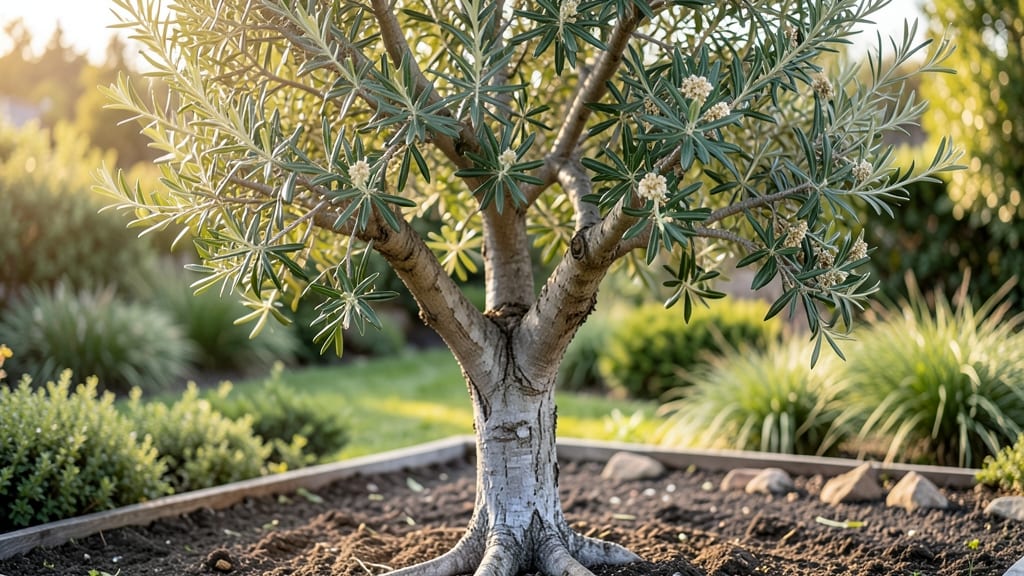
Pruning your Swan Hill olive tree transforms it from a scraggly mess to a fruit-laden masterpiece—and the secret lies in timing and technique. 🌿 I’ve spent years watching local trees struggle with Swan Hill’s brutal summers and crisp winters, but the right cuts keep them thriving.
The key is shaping in late winter when the tree’s dormant, then light maintenance through the heat to avoid stress. Most gardeners over-prune in spring, which burns the tree before summer even hits.
Instead, focus on removing only dead or crossing branches—never more than a third of the canopy at once. Swan Hill’s dry air means cuts heal slower, so use sharp pruners and seal larger wounds with pruning paste. The payoff?
More oil-rich fruit and a tree that shrugs off the heat. By summer, your tree will reward you with glossy new growth and plump olives—if you’ve avoided the common mistake of pruning during flowering.
The best Swan Hill varieties like Leccino and Frantoio handle this approach perfectly, producing harvests for decades. Just remember: patience is everything here. This method works for both young trees and mature ones, though older specimens need gentler touch-ups. Start small, observe how your tree responds, and adjust.
Before you know it, you’ll have a shade-providing, fruit-bearing centerpiece that’s the envy of the neighborhood.
📚 In This Guide
- What you need
- Instructions
- Tips and common mistakes
- Wrapping up and next steps
What you need
- ● Pruning shears: Bypass pruners (sharp, 7–9 inch blades) for small branches (up to ½ inch thick). Example: Felco F-2 or Corona Classic.
- ● Loppers: For medium branches (½–2 inches thick). Opt for bypass loppers (e.g., Felco 202 or Fiskars X27) to avoid crushing.
- ● Pruning saw: Curved-tooth saw (e.g., Felco F-21) for thick branches (>2 inches). Pro tip: 💡 Disinfect blades with rubbing alcohol between cuts to prevent disease!
- ● Gloves: Heavy-duty, cut-resistant gloves (e.g., Tough Outdoors) to protect hands from thorns and sharp edges.
- ● Ladder: Extendable aluminum ladder (16–20 ft) for tall trees. Safety first: Use stabilizers and never overreach!
- ○ Pruning sealant: Wound dressing (e.g., Tanglefoot Tree Wound Pruning Seal) for large cuts (>1 inch diameter). Optional: Some experts argue against sealant—research both sides!
- ● Disposable bags: 3–5 gallon contractor bags for collecting pruned branches.
- ● Water & cloth: For cleaning tools and wiping sap off branches.
- ● Pole pruner: For high branches (e.g., Fiskars X27 Extendable Lopper).
- ● Tree tie or zip ties: To secure scaffolds or support new growth.
- ● Spray bottle with water: Keeps tools cool and sap from sticking.
- ● Notebook & pen: To sketch your tree’s structure before/after pruning.
- ● Safety glasses: Protects eyes from debris.
- ● Check local regulations—some areas restrict pruning during nesting seasons (e.g., spring in Swan Hill, Australia).
- ● Prune on a dry, overcast day to reduce stress on the tree.
- ● Have a clear plan: Sketch your tree’s canopy and mark branches to remove.
Step-by-Step instructions for pruning your Swan Hill olive tree
Here's how I keep my Swan Hill olive tree thriving—with more fruit and a perfect shape year-round.
✂️ Step 1: Assess the Tree and Gather Tools
Start by examining your tree for dead, diseased, or crossing branches—these are your first priorities. I like to work on a dry, sunny morning when the branches are easier to see. Grab your sharp pruning shears for small branches and loppers for thicker growth. A disinfectant spray (like rubbing alcohol on a rag) keeps tools clean between cuts, preventing disease spread.
Look for branches growing inward or rubbing against others—these will compete for sunlight and energy. Mark them with a piece of tape or your phone camera so you don’t miss any. Swan Hill olives respond best to gradual pruning, so never remove more than 25% of the canopy in one session. This ensures the tree stays healthy and productive.
🌿 Step 2: Prune for Shape and Airflow
Begin by thinning out branches to open the center of the tree—this improves airflow and sunlight penetration, which is critical for fruit production. Start at the bottom and work your way up, cutting branches back to their point of origin (where they meet another branch or trunk). Always make cuts at a 45-degree angle, just above an outward-facing bud or leaf.
For Swan Hill olives, I focus on creating an open vase shape—this allows sunlight to reach all parts of the tree. Avoid cutting back to stubs; this invites disease. If a branch is too thick for your shears, make a second cut about 6 inches away from the first to prevent tearing. Step back often to check your progress—you want a balanced silhouette that lets light filter through.
⏰ Step 3: Encourage Fruit Production
To maximize fruit, prune just after harvest (late winter or early spring) to stimulate new growth. Remove any suckers (shoots growing from the base or trunk) and water sprouts (vertical shoots with no leaves). These compete with fruit-bearing branches for energy. Cut them back to a leaf node or bud.
For established trees, I thin out clusters of fruit to leave only the largest, healthiest ones. Overcrowded fruit weakens the tree and reduces quality. Aim for 1-2 inches between clusters on mature branches. This might seem counterintuitive, but fewer, well-spaced olives will be sweeter and larger. After pruning, give the tree a deep watering to help it recover.
🌱 Step 4: Clean Up and Maintain
Rake up all pruned branches and dispose of them in the trash—not the compost—since they can harbor pests or diseases. Wipe down your tools with disinfectant again to prevent contamination. If you notice any signs of disease (like black spots or oozing sap), prune those areas immediately and treat with a copper fungicide as a precaution.
Monitor your tree over the next few weeks for new growth. Healthy branches should sprout fresh leaves within 4-6 weeks. If you see no new growth, you may have pruned too aggressively—next time, scale back. Swan Hill olives are forgiving, but consistency is key. Repeat this process annually, adjusting for shape and fruit goals as the tree matures.
Tips & tricks for pruning your Swan Hill olive tree
These simple strategies will help you avoid common mistakes and get the most out of your pruning session.
Timing is Everything: The instructions mention pruning just after harvest in late winter or early spring, but I've found that working on a dry, sunny morning makes all the difference. The sunlight helps you spot branches more clearly, and dry conditions prevent the spread of fungal diseases through wet tools or branches. Schedule your session for a time when you won't be interrupted—this isn't something you want to rush.
Tool Prep Matters: Before you even touch the tree, take 5 minutes to properly prepare your tools. Soak your pruning shears and loppers in rubbing alcohol for 30 seconds between cuts on diseased branches. I also like to sharpen my tools with a file before starting—dull blades tear rather than cleanly cut, which can damage the tree. Keep a small spray bottle of disinfectant handy for quick cleanups between cuts on different branches.
Visual Cues for Perfect Cuts: When making those 45-degree angle cuts in Step 2, look for the outward-facing bud or leaf just above where you're cutting. This bud should be clearly visible and facing away from the center of the tree. If you can't see a bud, you're cutting too close to the trunk. For thicker branches, remember the two-cut technique: first make your cut 6 inches away from the branch collar, then clean up the remaining stub. This prevents tearing and promotes faster healing.
Fruit Production Secret: The 1-2 inch spacing between olive clusters mentioned in Step 3 might seem generous, but trust me—it works. I've seen trees with overcrowded fruit produce small, bitter olives that never ripen properly. After thinning, take a moment to examine the remaining clusters. Look for plump, evenly colored olives with no signs of pest damage. These are your winners that will give you the best harvest next season.
Pro Tips for Olive Tree Swan Hill
- These simple strategies will help you avoid common mistakes and get the most out of your pruning session.
- Timing is Everything: The instructions mention pruning just after harvest in late winter or early spring, but I've found that working on a dry, sunny morning makes all the difference.
- Tool Prep Matters: Before you even touch the tree, take 5 minutes to properly prepare your tools.
Frequently asked questions
Got questions about pruning your Olive Tree in Swan Hill? You’re not alone! Whether you’re a first-time pruner or just want to refine your technique, here are some of the most common queries—plus straightforward answers to keep your tree thriving.
When is the best time to prune an olive tree in Swan Hill’s climate?
The ideal window is late winter to early spring (August–September), just before new growth begins. Swan Hill’s dry, warm climate means avoiding summer pruning—it stresses the tree and attracts pests. Light trimming can happen in fall, but never in peak heat!
How much can I prune without harming the olive tree?
For mature trees, limit pruning to 15–20% of the canopy per year. Over-pruning reduces fruit yield and weakens the tree. Focus on removing dead, diseased, or crossing branches first. Young trees can handle slightly more aggressive shaping (up to 30%) if done carefully.
Why aren’t my olive tree’s fruits growing after pruning?
Fruit production depends on balanced pruning—too much cuts back growth, while too little blocks sunlight. Ensure you’re pruning to open the canopy (remove dense inner branches) and avoid “top-heavy” cuts. Fertilize lightly post-prune with citrus-specific feed to support recovery.
Should I be worried about pests after pruning?
Pruning creates entry points for pests like olive fruit flies or psyllids. To minimize risks:
- Sterilize tools with 70% isopropyl alcohol before/after use.
- Remove and dispose of clippings (don’t compost—it attracts pests).
- Apply neem oil or insecticidal soap if you spot early signs.
Can I prune an olive tree in Swan Hill’s heatwave?
No—never prune during extreme heat
(above 35°C/95°F). The tree loses water rapidly, and cuts won’t heal properly. Wait for mild, overcast days or prune in the early morning/late afternoon if urgent. Hydrate the tree 24 hours before and after pruning.
Wrapping up and next steps
Pruning your Olive Tree Swan Hill is the secret to a thriving, fruit-bearing beauty—whether you're trimming for shape, health, or maximum harvest! 🌿 By following seasonal best practices, using the right tools, and understanding growth patterns, you’ll keep your tree strong and productive for years. Remember: consistency is key!
Ready to take action? Start small—pick one season to focus on first, then build your skills. Grab those pruners, dust off your gloves, and give your Olive Tree Swan Hill the care it deserves. Your future harvests will thank you! 🌟