
Pruning
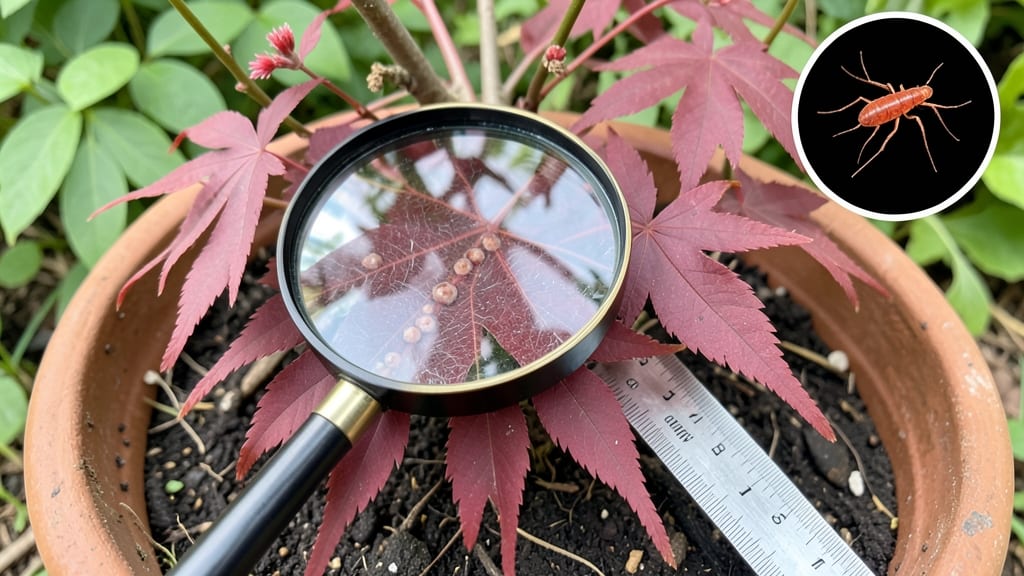
Maple tree leaf bumps are like nature’s way of screaming for help—those tiny raised spots mean your tree’s fighting something, and the sooner you act, the better. 🌿 I’ve seen tar spot’s black bumps turn leaves into lace and anthracnose’s yellow splotches stunt growth, but there’s hope.
The key is figuring out what’s causing the bumps before they spread, because once they do, your tree’s energy goes into damage control instead of new leaves.
Most bumps start with fungi thriving in damp conditions, but pests like mites or scale can also trigger them. Tar spot loves wet summers, while anthracnose thrives in cool, rainy springs—both leave behind telltale marks.
Mites, on the other hand, create tiny bumps and webbing, so check the undersides of leaves. The good news? Maple trees are tough, and with the right approach, you can clear up the issue before next season.
Start by pruning infected branches (sterilize your tools with rubbing alcohol first!) to stop the spread. For fungal issues, a copper fungicide or neem oil spray works wonders—just apply it when leaves are dry and temperatures are above 50°F.
If mites are the culprit, a strong spray of water or insecticidal soap can knock them back. The goal isn’t just to treat the bumps but to give your tree the best shot at bouncing back strong.
Prevention is where the real magic happens: improve airflow around the tree, water at the base (not overhead), and clean up fallen leaves in autumn. A healthy maple tree with good circulation can resist most of these issues entirely.
Think of it like giving your tree a shield—once you’ve dealt with the bumps, you’ll notice new growth that’s smoother, greener, and bump-free.
Root Causes Of Leaf Bumps
Understanding why your maple tree leaves develop those unsightly bumps is the first step toward restoring their health. These irregularities are rarely random—they’re usually a response to environmental stress, pest activity, or fungal infections.
Below, we break down the most common triggers and the science behind them, so you can take targeted action.
Fungal spores thrive in damp, shaded conditions, and maple leaves are a prime target. The most notorious culprits include:
- Anthracnose (Colletotrichum spp.) - What happens? This fungus causes dark, sunken spots with raised edges, often accompanied by yellowing or browning.
In severe cases, leaves develop wart-like bumps as the fungus grows beneath the surface. - Why it spreads: High humidity, overhead watering, and poor air circulation create the perfect breeding ground.
Wet leaves for prolonged periods (especially overnight) accelerate spore germination. - Actionable fix: Prune for airflow, avoid wetting foliage when watering, and apply copper fungicide at the first sign of spots.
- Powdery Mildew (Erysiphe spp.) - What happens? While powdery mildew typically appears as a white, powdery coating, chronic infections can lead to thickened, bumpy leaf tissue as the fungus penetrates cells. - Why it happens: This fungus favors warm days (70–85°F) with cool nights and low light.
Shade-loving maples (like sugar maples) are especially vulnerable. - Actionable fix: Space trees for sunlight exposure, use baking soda spray (1 tbsp baking soda + 1 gallon water + a drop of dish soap), or apply neem oil preventatively.
- Tar Spot (Rhytisma spp.) - What happens? Black, raised tar-like spots with bumpy, crusty edges appear on upper leaf surfaces. These spots are actually fungal fruiting bodies pushing through the leaf. - Why it persists: Wet springs and overhead irrigation encourage spore splash.
The fungus overwinters in fallen leaves, reinfecting the tree yearly. - Actionable fix: Rake and dispose of infected leaves in fall, prune to improve drying, and spray with fungicide containing propiconazole in early spring.
Not all bumps are fungal—some are the handiwork of tiny invaders that feed on leaf tissue or inject toxins.
- Maple Leaf Curl Midges (Dasineura spp.) - What happens? Larvae burrow into young leaves, causing blister-like bumps that eventually curl and distort. Heavily infested leaves may appear "puckered" or "warty." - Why they target maples: Females lay eggs on tender new growth in spring.
The larvae feed for weeks, triggering the leaf’s abnormal growth response. - Actionable fix: Prune and destroy heavily infested leaves in early summer. Apply horticultural oil in late winter (before buds swell) to smother eggs.
- Scale Insects (e.g., Maple Scale, Lecanium spp.) - What happens? These sap-sucking pests secrete honeydew, attracting sooty mold—but their feeding also causes small, raised bumps where they attach.
Leaves may yellow or drop prematurely. - Why they stick around: Scale insects produce a protective waxy coating that repels natural predators. They thrive in drought-stressed trees (weakened defenses = easier feeding). - Actionable fix: Blast off infestations with water pressure (early morning) or apply dormant oil in late winter.
For severe cases, use systemic insecticide like imidacloprid.
- Leaf Gall Mites (Eriophyidae family) - What happens? These microscopic mites inject saliva into leaf tissue, triggering wart-like galls (hard, raised bumps) that can distort entire leaves.
Common on silver maples. - Why they cause galls: The mites’ feeding disrupts cell division, forcing the leaf to grow abnormally around them. Galls provide shelter and a food source. - Actionable fix: Prune and burn or bag galled leaves in fall.
Apply miticide (like abamectin) in early spring before new growth emerges.
Sometimes, bumps aren’t caused by pathogens or pests—but by the tree’s physical response to harsh conditions.
- Sun Scald or Hail Damage - What happens? Sudden exposure to intense sunlight (e.g., after winter dieback) or hail impacts can create raised, bruised spots on leaves. These may resemble bumps or blisters. - Why it occurs: Maple leaves lack protective cuticles like some other species.
Extreme temperature swings or physical trauma triggers abnormal cell growth as the leaf repairs itself. - Actionable fix: Provide afternoon shade for young trees, and prune to reduce wind exposure. For hail damage, remove severely affected branches to prevent secondary infections.
- Nutrient Deficiencies (Especially Zinc or Magnesium) - What happens? Severe zinc deficiency causes "little leaf" syndrome, where new growth is small and bumpy or malformed.
Magnesium deficiency may lead to interveinal yellowing with raised, irregular patches. - Why it happens: Compacted or alkaline soils lock out essential minerals.
Maple trees in urban areas often suffer from root competition or poor soil structure. - Actionable fix: Conduct a soil test and amend with chelated zinc or Epsom salt (magnesium sulfate). Top-dress with compost to improve soil biology.
- Herbicide Drift or Chemical Burn - What happens? Exposure to glyphosate or 2,4-D can cause blistered, bumpy leaf tissue as cells struggle to repair damage. Symptoms often appear weeks after exposure. - Why it’s dangerous: Systemic herbicides disrupt plant hormones, leading to abnormal growth patterns.
Maple trees are particularly sensitive due to their thin leaf cuticles. - Actionable fix: If caught early, flush the soil with water to dilute residues. For severe damage, prune affected branches and monitor for recovery. Avoid applying herbicides near maples in future.
Pro Tip: 🔍 Before treating, collect a sample: Take a clear photo of the underside of the leaf (many fungi and mites hide there) and note the size, color, and location of bumps. This helps narrow down the cause—especially when symptoms overlap (e.g., fungal spots + pest feeding).
Fixing Maple Leaf Bumps Naturally
Maple tree leaf bumps—whether caused by fungal infections, pests, or environmental stress—can be frustrating, but the good news is that most issues are treatable with the right approach. Below, we’ll break down practical, step-by-step solutions tailored to the most common causes, plus prevention tips to keep your tree healthy long-term.
If leaf bumps are due to anthracnose, powdery mildew, or tar spot, act fast to stop the spread.
🔥 Step 1: Prune Infected Leaves & Branches
- 👨🍳 Use sterilized pruners (wipe with rubbing alcohol between cuts) to remove severely affected leaves and small branches.
- ⏰ Do this in dry weather (early morning or late afternoon) to prevent fungal spores from spreading via moisture.
- 🗑️ Bag and discard infected debris—do not compost it.
🍄 Step 2: Apply Fungicide
- 💡 Organic option: Neem oil or copper fungicide (follow label instructions).
- 🎯 Chemical option: Systemic fungicides like propiconazole (for severe cases).
- 🌡️ Spray thoroughly—focus on the undersides of leaves (where fungi often hide) and the tree’s canopy.
🔄 Step 3: Improve Airflow & Light
- ✨ Thin out dense branches to allow sunlight and air circulation.
- 🌳 Avoid overhead watering—use drip irrigation or water at the base instead.
If bumps are from scale insects, spider mites, or aphids, these steps will help.
🔪 Step 1: Blast Off Pests
- 💦 Spray with water (strong stream from a hose) to dislodge pests.
- 🧼 Use insecticidal soap (mix 2 tbsp mild soap + 1 quart water) for a natural kill.
- 🎯 For heavy infestations: Apply horticultural oil (like dormant oil) in early spring or late fall.
🐞 Step 2: Introduce Beneficial Insects
- 🐝 Ladybugs, lacewings, or parasitic wasps eat pests naturally—buy them from garden centers.
- 🌿 Plant companion plants like marigolds or yarrow to attract predator insects.
🛡️ Step 3: Prevent Future Infestations
- 🌡️ Monitor regularly—check leaves weekly during growing season.
- 🚫 Avoid over-fertilizing (soft new growth attracts pests).
If bumps stem from heat stress, nutrient deficiency, or poor soil, these fixes will help.
💧 Step 1: Water Properly
- 🌱 Deep water 1-2 times per week (1 inch of water per week).
- 🚫 Avoid soggy soil—maples hate "wet feet."
🍂 Step 2: Feed the Tree
- 📊 Test soil pH (ideal: 6.0–7.0 for maples).
- 💪 Apply balanced fertilizer (10-10-10) in early spring before new growth starts.
🌳 Step 3: Mulch & Protect
- 🍃 Add 2-3 inches of mulch (wood chips or bark) to retain moisture.
- 🛡️ Shield from harsh sun with shade cloth if in a hot, dry climate.
- 🌿 Prune in late winter/early spring (avoid summer pruning, which stresses the tree).
- 🍃 Clean up fallen leaves in autumn to reduce fungal overwintering.
- 🌱 Choose disease-resistant varieties (like Acer rubrum ‘Autumn Blaze’).
- 🔍 Inspect trees monthly—early detection = easier fixes!
By following these targeted solutions, your maple’s leaves should recover—and stay bump-free! 🌳💚 For persistent issues, consult a certified arborist to rule out deeper problems.
Frequently asked questions
Are maple tree leaf bumps always caused by disease?
Not always! While fungal infections like tar spot or anthracnose are common culprits, leaf bumps can also result from pest activity (like scale insects or mites) or environmental factors such as nutrient deficiencies or physical damage. Always check the undersides of leaves for clues—pests often hide there.
How can I tell if my maple tree has tar spot vs. anthracnose?
Tar spot creates black, raised crusts that look like tar splatters, while anthracnose produces dark, sunken spots with yellow halos. Tar spot bumps are usually crusty and appear on upper leaf surfaces, whereas anthracnose spots often have raised edges and may cause leaves to curl. Check for both to confirm!
Can I use household items to treat maple leaf bumps?
Yes! For mild fungal issues, mix 1 tablespoon baking soda + 1 quart water + a drop of dish soap and spray leaves thoroughly. For pests, a strong water spray can dislodge mites or aphids. Always test a small area first to avoid damaging the tree.
Will pruning help if my maple tree already has leaf bumps?
Prune infected branches (sterilize tools first) to remove the source of spores or pests. Focus on thinning dense areas to improve airflow—this reduces humidity, which fungi love. Just avoid heavy pruning during active growth seasons when the tree is stressed.
How long does it take for maple leaves to recover after treating bumps?
With proper care, new growth should appear 4-6 weeks after treatment. If bumps persist, the issue may be deeper (like root stress or systemic disease). Monitor regularly and adjust treatments—patience is key! Healthy leaves typically form on new branches.