
Pruning
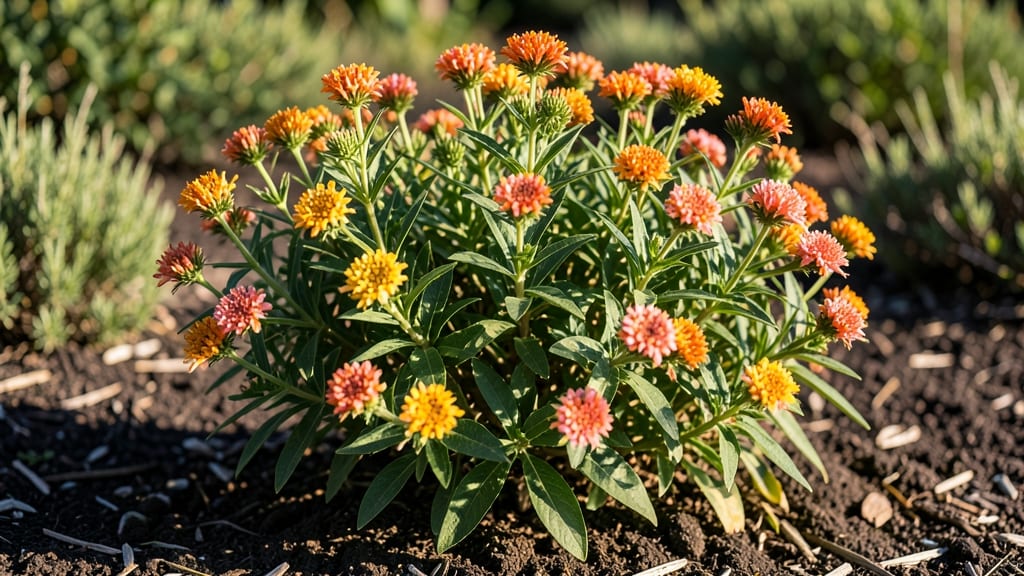
Lantana’s tree form is more myth than reality—it’s a fast-growing shrub that pretends to be a tree when left unchecked. 🌿 I’ve seen it sprawl into a 10-foot-tall mess in Florida heat, then get pruned back into a tidy 3-foot bush in my zone 8 garden. The key?
Understanding its natural shape and how sunlight, soil, and your pruners shape it. Most lantanas grow as multi-stemmed shrubs, not true trees, but they’ll develop a woody trunk if you ignore them for years.
In tropical climates, they stay bushier with year-round blooms, while temperate zones need winter pruning to prevent dieback. The trick is light pruning every 6-8 weeks to encourage dense, flowering branches—not letting it grow into a single-stemmed "tree."
What you’ll end up with is a compact, blooming powerhouse that fills gaps in borders or spills over containers. The flowers stay vibrant all season if you deadhead spent blooms, and the foliage stays glossy and pest-resistant.
Just don’t let it get too leggy—lantanas respond better to frequent light cuts than to heavy annual pruning. Works for hedges, topiary shapes, or even small trees if you’re patient. Here’s how to train yours without sacrificing those nonstop blooms.
📚 In This Guide
- What you need
- Instructions
- Tips and common mistakes
- Wrapping up and next steps
What you need
- ● Hand pruners – Sharp, bypass-style pruners (for clean cuts on small to medium stems). Pro tip: 💡 Sanitize with rubbing alcohol before and after use to prevent disease spread!
- ● Lopping shears – For thicker branches (½"–1½" diameter). Look for bypass blades for precision.
- ● Pruning saw – Only if dealing with stubborn, woody stems (1"–2"+ diameter). A curved-tooth saw minimizes tear-out.
- ● Gloves – Heavy-duty gardening gloves (lantana thorns are no joke!). Opt for nitrile-coated for grip and protection.
- ● Disposable pruning bags – 2–3 large bags (13-gallon capacity) to collect clippings and reduce mess.
- ● Rubbing alcohol (70% isopropyl) – Small bottle for sterilizing tools between cuts.
- ● Hose or bucket of water – To rinse tools and clean cuts if needed.
- ● Pruning sealant – For large cuts (½"+) to prevent disease (e.g., Tanglefoot Tree Wound Pruning Seal).
- ● Ladder or step stool – If your lantana is taller than 6 feet (safety first! 🛡️).
- ● Sharpie or paint marker – To mark branches for removal (great for beginners!).
- ● Compost bin – If you plan to reuse clippings as mulch (lantana decomposes quickly!).
- ● Safety glasses – Protect your eyes from debris, especially when using a saw.
Instructions for pruning lantana to encourage a tree form
Here's how to shape lantana into a stunning tree form with vibrant blooms all season long.
✂️ Step 1: Choose the Right Time to Prune
Prune lantana in early spring just as new growth begins—this is when the plant is most responsive to shaping. Avoid cutting back in fall or winter, as lantana needs its foliage to protect the plant from cold. I like to wait until I see new buds swelling on the stems; that's your signal the plant is waking up and ready for a haircut.
If you live in a warm climate, you can also do a light pruning in late summer after the first flush of blooms to encourage a second round of flowers. Just avoid heavy pruning then—focus on shaping and removing dead stems. Lantana blooms on new growth, so timing matters more than anything else.
✂️ Step 2: Select and Trim the Main Trunk
Look for the straightest, strongest stem—this will be your future trunk. Use clean, sharp pruning shears to cut just above a leaf node (the bump where leaves grow out) about 18-24 inches from the ground. This height works well for most garden settings, but adjust based on your space. The goal is to leave a sturdy trunk that can support the plant's weight.
Remove any competing stems at the base of the plant. If you have multiple strong stems, choose the best one and cut the others back to 6 inches from the ground. This ensures all the plant's energy goes into growing a single, strong trunk. Don't worry if the plant looks bare—new branches will fill in quickly.
🌿 Step 3: Shape the Canopy for Fullness
Once your main trunk is established, focus on creating a lush canopy. In early spring, cut back the remaining branches by one-third to encourage bushier growth. Make cuts just above a leaf node or bud, always at a 45-degree angle to prevent water from pooling and causing rot. This angled cut also helps the plant heal faster.
To encourage a rounded shape, trim branches that grow inward or cross over each other. You'll see the plant start to fill out within 4-6 weeks as new shoots emerge from the trimmed areas. Avoid shearing the plant—this creates a dense, woody growth with fewer flowers. Instead, focus on selective pruning to maintain an open, airy form.
⏰ Step 4: Maintain Year-Round with Light Pruning
After the initial shaping, keep your lantana tree form thriving with monthly light pruning. Remove any dead, damaged, or crossing branches as soon as you spot them. This prevents disease and keeps the plant looking neat. I also pinch back the tips of new growth in late spring to encourage even more branching—just snip off the top 1-2 inches of the newest shoots.
Deadhead spent blooms regularly to encourage continuous flowering. Simply pinch or cut off the faded flower clusters just above a set of leaves. This small effort keeps your lantana blooming year-round in warm climates. If you notice leggy growth reaching for the light, it's a sign your plant needs more sun—lantana thrives in full sun and will reward you with even more vibrant blooms.
Tips & tricks for perfect lantana tree form
Transforming lantana into a tree form takes patience, but these insider tricks will help you avoid common pitfalls and create a showstopping centerpiece.
The Timing Secret: Early spring is your golden window for shaping lantana, but don't rush—wait until you see those first tiny buds swelling on the stems. This visual cue tells you the plant is ready to handle pruning without shock. In warm climates, that late summer trim after the first blooms? Keep it light—just enough to tidy up dead stems and encourage a second flush. Over-pruning then can stress the plant before winter.
Tool Technique: Your pruning shears are your most important tool, but how you use them matters just as much. Always make cuts at a 45-degree angle just above a leaf node or bud—this prevents water from pooling and causing rot while encouraging new growth from exactly where you want it. I've ruined more pruning jobs than I'd like to admit by making straight-across cuts that left ugly stubs. A sharp pair of shears makes clean cuts that heal faster too.
Canopy Strategy: When shaping your canopy in early spring, think quality over quantity. Cutting back branches by one-third might seem drastic, but this aggressive approach forces the plant to produce bushier, more vigorous growth. The key is patience—those trimmed branches will regrow within 4-6 weeks, but they'll come back stronger and fuller. Avoid shearing like you would a hedge; lantana responds best to selective pruning that maintains its natural shape.
Maintenance Hack: Monthly light pruning keeps your lantana looking its best, but here's a pro move: use those pruned branches! Tuck them into pots of fresh soil to propagate new plants. Every time you remove dead or crossing branches, you're not just tidying up—you're creating free new plants. Plus, this practice helps you keep an eye on the plant's health month to month, catching any issues early.
Pro Tips for Lantana Tree Form
- Transforming lantana into a tree form takes patience, but these insider tricks will help you avoid common pitfalls and create a showstopping centerpiece.
- The Timing Secret: Early spring is your golden window for shaping lantana, but don't rush—wait until you see those first tiny buds swelling on the stems.
- Tool Technique: Your pruning shears are your most important tool, but how you use them matters just as much.
Frequently asked questions
Got questions about shaping your lantana tree form? You’re not alone—this vibrant plant has quirks! Here are answers to the most common concerns, from pruning timing to troubleshooting common issues.
When is the best time to prune lantana for bushier growth?
Prune lantana after flowering (late summer to early fall) to encourage new blooms. Light trims can happen year-round, but avoid heavy cuts in winter—lantana is semi-dormant then. Pro tip: Deadhead spent flowers to redirect energy into bushier growth!
How do I prune lantana to keep it compact instead of leggy?
Use thinning cuts (removing entire stems at the base) to open the center and improve airflow. Trim back overgrown branches by 1/3 to stimulate branching. For a hedge shape, shear lightly after blooming—just avoid cutting into woody stems. Pro tip: Gloves are a must; lantana leaves are spiky!
Can I prune lantana aggressively, or will it die back?
Lantana is tough—it thrives on aggressive pruning! Cut back hard in early spring (even to the ground) if overgrown, and it’ll bounce back with fresh growth. Just avoid late-winter pruning in cold climates (below 20°F). Pro tip: Save cuttings to propagate new plants!
Why isn’t my lantana blooming after pruning?
Lack of blooms usually means too much shade or over-fertilizing (focus on blooms, not foliage). Ensure full sun (6+ hours/day) and prune after flowers fade. If blooms are sparse, try a balanced fertilizer (10-10-10) in spring. Pro tip: Yellow leaves? Check for overwatering—lantana hates soggy roots!
Are there lantana alternatives with similar forms but fewer pests?
Yes! Try firebush (Hamelia patens) for bold red blooms and butterfly magnet appeal, or Texas sage (Leucophyllum frutesens) for drought tolerance. Both have lantana’s bushy form but are less prone to whitefly infestations. Pro tip: Always research local invasiveness—lantana can spread aggressively in some regions!
Wrapping up and next steps
Mastering the lantana tree form doesn’t have to be overwhelming—with the right pruning techniques, you can transform your plant into a blooming, bushy powerhouse that thrives year-round! 🌸 The key lies in timing, tools, and consistency, ensuring your lantana stays healthy, vibrant, and full of life.
Whether you’re trimming for shape, encouraging new growth, or controlling its spread, your efforts will pay off in a stunning display of color.
Ready to take the next step? Grab your pruners, mark your calendar for the best pruning seasons, and start shaping your lantana today! Your garden (and future blooms) will thank you. 🌿✨