
Pruning
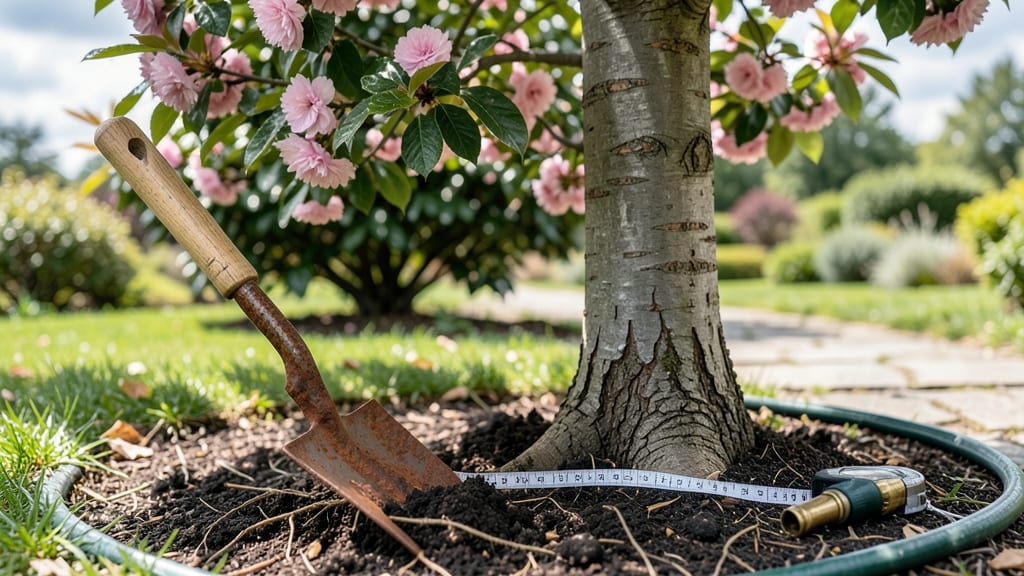
The Kwanzan cherry tree root system 🌸 thrives with deep, well-draining soil and space to spread—yet many gardeners unknowingly stunt its growth by planting too shallow or compacting the roots.
Picture this: a 20-foot tree struggling because its roots can’t reach water or nutrients deep enough. That’s the reality when you skip the right soil prep or ignore seasonal planting windows.
The good news? A few simple steps—like amending clay soil with compost or avoiding overwatering—can transform your tree’s long-term health.
In this guide, I’ll walk you through the ideal planting depth, how to tell if your Kwanzan’s roots are happy (or stressed), and the best mulching techniques to keep them thriving for decades. No guesswork, just proven methods for stronger growth.
Whether you’re planting a bare-root sapling this fall or troubleshooting an established tree, these insights will help you avoid common pitfalls and enjoy vibrant blooms year after year.
Understanding the Kwanzan cherry tree root system: structure and growth habits
The Kwanzan cherry tree (Prunus serrulata 'Kwanzan') develops a fibrous root system with shallow lateral roots that spread widely, creating a sturdy foundation for its stunning blooms. Unlike deep taproot systems, these roots prioritize surface stability and nutrient absorption, making proper planting and soil conditions critical for long-term health.
Young saplings start with a primary taproot that quickly transitions to a network of fibrous roots within the first 2-3 years. This shift explains why root depth rarely exceeds 24 inches, while lateral spread can reach 3-5 times the canopy width—often 20-30 feet for mature trees.
Seasonal growth patterns are equally important: roots grow most actively in early spring (March-April) when soil temperatures rise above 50°F (10°C), then slow during summer dormancy before reviving in fall. Understanding these cycles helps time planting and fertilization for maximum impact.
The fibrous root system of Kwanzan cherries makes them particularly sensitive to soil compaction and poor drainage. When roots can't expand freely, they struggle to absorb water and nutrients, leading to leaf yellowing or reduced flowering.
Amending planting areas with organic matter (like compost) improves aeration and encourages deeper root penetration.
Water absorption is another critical function of these shallow roots. Unlike deep-rooted trees, Kwanzan cherries rely on frequent, deep watering—especially during first two growing seasons—to maintain moisture in their root zone. Mulching with wood chips helps retain soil moisture while protecting roots from temperature extremes.
Root development stages reveal why proper planting depth matters. Saplings planted too deep suffocate, while those planted too shallow struggle to anchor. Aim for the root flare (where roots meet the trunk) to sit 1-2 inches above soil level—this ensures optimal air exchange and stability as the tree matures.
Seasonal growth patterns also dictate care strategies. In fall, roots prepare for dormancy by storing nutrients, making this an ideal time for light fertilization or soil amendments. Spring's active growth phase, however, demands regular watering and avoiding heavy foot traffic near the base to prevent root damage.
Recognizing signs of root stress early can save your tree. Wilting leaves, stunted growth, or fungal growth at the base often signal root issues.
These symptoms typically stem from overwatering, root rot, or compaction, all of which disrupt the tree's ability to absorb water and nutrients through its fibrous network.
For long-term health, prioritize well-draining soil and adequate spacing—at least 20 feet from buildings or other trees. The Kwanzan cherry's root system thrives when given room to spread naturally, ensuring decades of vibrant blooms and sturdy growth. Understanding these habits transforms planting from guesswork into a science of care.
Optimal planting techniques for a healthy Kwanzan cherry tree root system
A healthy Kwanzan cherry tree root system starts with smart planting techniques. This stunning tree thrives when its roots receive the right conditions from day one. The key lies in selecting the perfect location, preparing the soil properly, and handling the roots with care during planting.
Your Kwanzan cherry tree will reward you with decades of vibrant blooms if you give its roots the foundation they need. Unlike shallow-rooted plants, this tree develops a strong taproot system combined with extensive lateral roots that spread wide.
Understanding these growth habits helps you avoid common planting mistakes that can stunt growth or even kill the tree.
⚠️ callout warning
- Improper depth: Planting too deep can suffocate roots and cause rot.
- Compacted soil: Heavy clay or tightly packed dirt restricts root expansion.
- Over-pruning roots: Cutting too many roots during transplanting shocks the tree.
- Poor drainage: Waterlogged roots lead to fungal diseases and root rot.
For optimal growth, choose a planting site with full sun exposure (at least 6 hours daily) and well-draining soil. The Kwanzan cherry tree prefers slightly acidic to neutral soil with a pH between 5.0 and 7.0.
Test your soil before planting—amend it with compost or peat moss if needed to achieve the ideal pH range.
When preparing the planting hole, make it twice as wide as the root ball but only as deep. The top of the root ball should sit just 1-2 inches above ground level to prevent water pooling around the base.
This slight elevation helps with drainage while keeping the tree stable in windy conditions.
Handle the roots gently during planting—never bend or fold them. Spread the roots outward naturally in the hole and backfill with native soil mixed with compost or organic matter. Water thoroughly after planting to settle the soil and eliminate air pockets.
Mulch around the base (keeping it 3-4 inches away from the trunk) to retain moisture and regulate soil temperature.
Timing is crucial—plant your Kwanzan cherry tree in late fall or early spring when temperatures are cool. This allows roots to establish before summer heat stress or winter dormancy. Avoid planting during extreme heat or freezing conditions, as these can shock the delicate root system and delay establishment.
With proper planting techniques, your Kwanzan cherry tree will develop a robust root system that supports its stunning blooms for years to come. Remember: healthy roots equal a healthy tree! 🌳💧