
Pruning
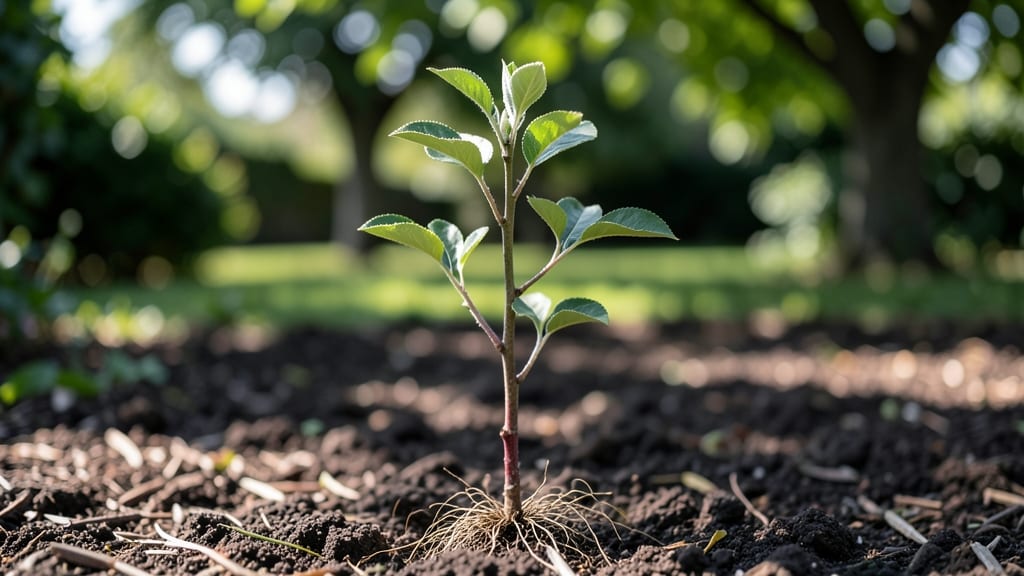
The identification of an apple tree seedling correctly saves you years of disappointment—those lumpy red fruits you dreamed of might turn out to be tart, tiny crabapples instead. 🌱 I’ve spent three springs digging up mislabeled seedlings, and the key is in the leaves, bark, and buds before they even think about flowering.
Most true apple seedlings have serrated, oval leaves with a slightly waxy sheen, while crabapples often sport smaller, rounder leaves with fewer teeth. The bark on young apple stems is smooth and grayish, but crabapples develop a reddish tint as they mature.
Pay attention to the buds too—apple buds are plump and pointed, while crabapple buds are flatter and more rounded. Once you recognize these traits, you’ll spot the difference in minutes, not months. A single misidentified seedling can mean five years of waiting for fruit that won’t meet your expectations.
This isn’t just about avoiding disappointment—it’s about growing exactly what you want to eat. The best part? These tricks work for any apple variety, from Honeycrisp to Granny Smith. Now let’s get those seedlings sorted before they outgrow their labels.
Why it happens
Identifying an apple tree seedling correctly can feel like solving a puzzle—especially when nature throws in a few tricky twists. Whether you're a seasoned gardener or a curious beginner, misidentifying a seedling often boils down to a mix of biological quirks, environmental factors, and human oversight.
Let’s break down the real reasons why seedlings might fool even the most observant eye.
🌱 Genetic Variability In Seeds
Apple trees grown from seeds (rather than grafts) are notorious for producing seedlings that bear zero resemblance to the parent tree. This happens because apples are polyploid—they have multiple sets of chromosomes—and their seeds carry a random mix of genetic material from both parents.
Unlike grafted trees (which replicate the exact variety), seedling apples are essentially wildcards in the orchard.
- Why it matters: A seed from a Fuji apple might grow into a tree producing tart, crabapple-like fruit—or something entirely unexpected.
- Actionable tip: If you’re serious about variety, avoid seed-grown seedlings for fruit production. Stick to nursery-bought grafted trees or rootstocks with known traits.
🍃 Environmental Stress And Growth Stages
Seedlings don’t announce their true identity right away—they go through morphological phases where leaves, stems, and even bark can mimic other species. Environmental stressors like nutrient deficiencies, poor sunlight, or temperature fluctuations can further distort their appearance, making identification harder.
| Stressor | What It Does to the Seedling | How to Fix It |
|---|---|---|
| Nitrogen deficiency | Yellowing leaves (chlorosis), stunted growth, or leaves resembling those of a hawthorn or pear sapling. | Apply balanced fertilizer (e.g., 10-10-10) or compost. |
| Overwatering | Soft, mushy stems; dark spots on leaves; may resemble diseased or fungal-infected seedlings. | Ensure well-draining soil and reduce watering frequency. |
| Shade or crowding | Long, leggy stems; smaller leaves; could be mistaken for wild crabapple or serviceberry seedlings. | Thin seedlings and provide full sun (6+ hours/day). |
Pro tip: 🌡️ Compare seedlings side-by-side under identical conditions to spot subtle differences in leaf shape, vein patterns, or growth habits.
🔍 Human Error In Visual Clues
Even experienced growers can misjudge a seedling if they rely too heavily on a single trait—like leaf shape or bark texture—without considering the whole plant. Apple seedlings have highly variable juvenile forms, and some traits (like serrated leaves) only emerge as the tree matures.
- Common pitfalls:
- Assuming all red-tinged leaves mean Red Delicious—many apple varieties have juvenile red flushes.
- Ignoring rootstock influence—if the seedling was grown on a dwarfing rootstock, its growth habit (but not fruit) may differ.
- Overlooking hybrid vigor—seedlings from crosses (e.g., Honeycrisp × Granny Smith) can have unpredictable traits.
- Actionable fix: Use a combination of traits for identification:
- Leaf arrangement (alternate vs. opposite)
- Presence of stipules (small leaf-like structures at the base of leaves)
- Bark texture (smooth vs. ridged)
Pro tip: ✨ Take photos from multiple angles and compare them to a USDA apple variety database for cross-referencing.
🐛 Pest And Disease Mimicry
Pests like aphids, spider mites, or diseases such as apple scab and fire blight can alter a seedling’s appearance so drastically that it’s mistaken for a different species.
For example, sooty mold (from sap-sucking insects) can darken leaves, making them look like those of a black cherry or elderberry.
- Red flags:
- Sticky residue on leaves (honeydew = aphids)
- Black or white fungal spots (scab or powdery mildew)
- Wilting or oozing cankers (fire blight)
- Solution: Treat seedlings with neem oil or copper fungicide if pests/diseases are suspected. Isolate affected plants to prevent spread.
Pro tip: 💡 Use a hand lens (10x magnification) to inspect leaf undersides and stems for early signs of infestation.
Quick Fixes for Seedling Confusion
Identifying the right apple tree seedling can feel like solving a puzzle—especially when misidentification leads to disappointment. The good news? Most issues have simple, actionable solutions. Below, we’ve mapped common problems to practical fixes, along with prevention tips to keep your orchard thriving.
If your seedlings blend into a generic "apple tree" mix, visual and physical traits are your best tools.
🍎 Fix: Compare Leaf Shape & Color
- Problem: Seedlings from the same parent tree may have identical-looking leaves, making identification nearly impossible.
- Solution:
- 📏 Measure leaf size—some varieties (like Granny Smith) have broader, darker leaves, while others (e.g., Honeycrisp) are narrower and lighter.
- 🌿 Check veins—prominent veins suggest a different lineage than smooth-edged leaves.
- 📸 Take photos under natural light and compare against USDA apple variety databases for reference.
🌱 Fix: Root & Stem Analysis
- Problem: Weak or gnarled roots can indicate poor genetics or disease, while thick, white roots signal a healthy seedling.
- Solution:
- 🔍 Inspect root structure—look for fibrous, white roots (healthy) vs. black, mushy roots (rot or fungus).
- 🌟 Tap the stem—a hollow sound means the seedling is hollow (discard it).
A solid thud = good. - 🌡️ Check bark texture—smooth bark is ideal; rough or peeling bark may signal stress or disease.
🍏 Fix: Taste Test (If Possible)
- Problem: Some seedlings produce tiny, edible fruits early—others may never fruit from seed.
- Solution:
- 🍎 Sample a few (if safe and non-toxic) to note sweetness, tartness, or texture.
- ⚠️ Warning: Only taste if you’re 100% sure the seed isn’t from a toxic variety (e.g., some crabapple seeds).
- 📝 Record flavors in a notebook to cross-reference with known varieties later.
A wilting or discolored seedling won’t grow into a productive tree. Act fast to save what you can.
🌡️ Fix: Fungal or Bacterial Issues
- Problem: Yellow leaves, black spots, or oozing stems = fungal/bacterial infection.
- Solution:
- 🧴 Apply neem oil or copper fungicide (follow label instructions).
- 💧 Reduce watering—overwatering worsens root rot.
- 🗑️ If severe: Remove the seedling entirely to prevent spread.
🐛 Fix: Pest Infestations
- Problem: Tiny holes in leaves, sawdust-like frass, or chewed bark = pests.
- Solution:
- 🐜 Spray with insecticidal soap (for aphids, mites).
- 🪰 Use horticultural oil (for scale insects).
- 🌿 Introduce beneficial insects (ladybugs, lacewings) if pests are minor.
🌡️ Fix: Environmental Stress
- Problem: Seedlings in too much shade, wind, or extreme heat wilt or grow poorly.
- Solution:
- ☀️ Move to partial sun (6+ hours of light).
- 🌬️ Use a windbreak (burlap screen or stakes).
- 💧 Water deeply 2x/week (keep soil moist but not soggy).
If you’ve exhausted visual checks and still can’t identify your seedling, science (or a pro) can help.
🧬 Fix: Mail-In DNA Kits
- Problem: No distinguishing traits = identity mystery.
- Solution:
- 📦 Use a plant DNA test kit (e.g., Smart-Plants or 23andMe’s plant tests).
- 💰 Cost: ~$50–$150, but worth it for rare or valuable seedlings.
- ⏳ Wait time: 2–4 weeks for results.
🌳 Fix: Consult a Local Extension Office
- Problem: You need a second opinion but don’t want to wait for lab results.
- Solution:
- 📞 Call your county’s Cooperative Extension Service.
- 📸 Send photos of leaves, bark, and growth habits for a quick diagnosis.
- 💡 Pro Tip: Many offer free or low-cost identification services!
Once you’ve identified (and saved) your seedlings, keep them thriving with these habits:
- 🌱 Start with grafted trees if you want guaranteed varieties (seedlings are unpredictable).
- 📅 Label seedlings immediately with variety names, planting dates, and traits.
- 🌿 Grow in containers first to monitor health before transplanting.
- 🔄 Test soil pH (apple trees prefer 6.0–6.5; adjust with lime or sulfur if needed).
- 🚫 Avoid over-fertilizing—young seedlings need low nitrogen (too much = leafy but no fruit).
💡 Final Pro Tip: If you’re serious about orcharding, consider buying certified nursery trees—they’re pricier but 100% identified and disease-resistant. For the adventurous, though, seedling identification is a rewarding (and fun!) challenge. 🌟
Frequently asked questions
How can I tell if my apple tree seedling is a true apple or a crabapple?
Look at the leaves and bark first. True apple seedlings typically have larger, oval leaves with sharp serrations and smooth gray bark, while crabapples often have smaller, rounder leaves with fewer teeth and reddish bark as they mature. The buds are another clue—apple buds are plump and pointed, while crabapple buds are flatter.
What should I do if my seedling looks healthy but I can't identify it?
Start by taking clear photos of the leaves, bark, and growth habit from multiple angles. Compare them to a USDA apple variety database or use a mail-in DNA test kit (like Smart-Plants) for $50–$150. Many local Cooperative Extension offices also offer free identification services if you send them photos.
Can I grow a fruit-bearing apple tree from a store-bought apple seed?
Technically yes, but the fruit won’t match the parent tree. Apple seeds are unpredictable—you might get a tart crabapple or something entirely different. For guaranteed varieties, buy grafted nursery trees instead. Seedlings take 5–10 years to fruit and may not produce anything you’d want to eat.
Why do some apple seedlings look identical while others are completely different?
Apple seeds carry a mix of genetic material from both parents, so seedlings can vary wildly. Even from the same fruit, some may grow into trees with large, sweet apples while others produce tiny, tart ones. This is why nurseries sell grafted trees—they replicate the exact variety you want.
How do I know if my seedling is diseased before planting?
Check for yellowing leaves (chlorosis), black spots, or oozing stems—these are red flags. Tap the stem: a hollow sound means it’s weak. Healthy seedlings have fibrous white roots and smooth bark. If in doubt, treat with neem oil before planting or discard it to avoid spreading issues.