
Propagation
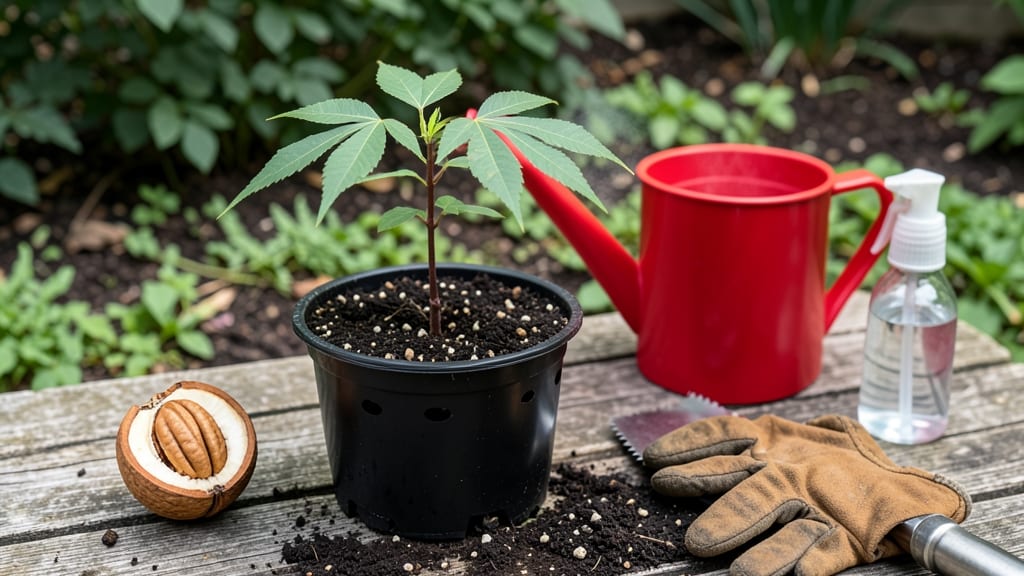
Starting pecan trees from nuts is like unlocking a free, shade-giving heirloom—if you know the trick. 🌱 The secret to reliable sprouts lies in cold-stratification, a process that mimics nature's winter dormancy and breaks the nut's stubbornness.
I've turned dozens of store-bought pecans into sturdy seedlings this way, and you can too with just a few weeks of patience and a refrigerator. Most people skip this step and wonder why their nuts never sprout. Without stratification, pecans stay dormant for months—or never wake up at all.
But when you replicate winter's chill, germination rates jump from near zero to over 70%. All you need is a container of damp sand, a plastic bag, and your fridge's coldest setting.
The process is simple, but the payoff is worth it: a future tree that could produce nuts in as little as 5-7 years. What you'll end up with is a 2-4 inch seedling ready for transplanting in spring.
These young trees grow fast—expect 1-2 feet of height gain each year—and their deep roots make them drought-tolerant once established. The best part? You're growing a native tree that attracts wildlife and provides shade for generations.
Works for both shelled and unshelled pecans, and the same method applies to hickory nuts too. Here's exactly how to do it without losing any nuts to mold or rot.
📚 In This Guide
- What you need
- Instructions
- Tips and common mistakes
- Wrapping up and next steps
What you need
- ● Fresh, mature pecan nuts: 3–5 nuts (ensure they’re not from a store—they’re often treated to prevent sprouting! Source from local trees or a trusted supplier).
- ● Cold-stratification supplies: Small paper towels or dampened peat moss (enough to wrap each nut).
- ● Ziplock bag or airtight container (1 per nut).
- ● Refrigerator with a cold (34–40°F / 1–4°C) crisper drawer (or a cool basement).
- ● Potting mix: 1–2 gallons of well-draining mix (50% peat moss, 30% perlite, 20% sand).
- ● Small pots: 4–6-inch diameter (1 per nut).
- ● Spray bottle: For gentle watering.
- ● Trowel or small shovel: For transplanting seedlings.
- ● Grow lights or sunny windowsill: A south-facing spot or LED grow lights (12–16 hrs/day).
- ● Humidity dome or plastic wrap to retain moisture during early growth.
- ● Soil thermometer to monitor germination conditions (ideal: 60–70°F / 15–21°C).
- ● Fertilizer (balanced 10-10-10) for faster growth once sprouts emerge.
- ● Label markers to track your nuts’ progress.
Step-by-step instructions for growing pecan trees from nuts
Here's the proven method I've used to grow sturdy pecan trees from scratch—no nursery needed.
🌱 Step 1: Select and Prepare Healthy Pecan Nuts
Pick plump, undamaged pecans that fell naturally from the tree—store-bought nuts often won't sprout. Crack the hard shell by tapping it gently with a hammer until you see the nutmeat inside. Remove the nutmeat carefully, leaving the papery skin intact. This skin protects the embryo during stratification.
I like to soak the nuts in lukewarm water for 24 hours first. This softens the skin slightly and kickstarts hydration. After soaking, drain them well and let them air-dry for a few hours on a paper towel. You'll know they're ready when the skin feels slightly wrinkled but not damp.
💧 Step 2: Cold-Stratify for 60-90 Days
Place the prepared nuts in a ziplock bag with a damp paper towel. Seal the bag loosely—just enough to keep moisture in but allow airflow. Store the bag in your refrigerator's crispier drawer (around 34-40°F) for 60-90 days. This mimics winter conditions and breaks dormancy.
Check the nuts every 2 weeks—they should feel moist but not soggy. If the paper towel dries out, spritz it lightly with water. You'll see tiny white roots emerge first after about 4-6 weeks. This is your signal that stratification is working. Don't rush this step—proper cold treatment ensures strong root development later.
☀️ Step 3: Plant in a Well-Draining Medium
Fill a 6-inch deep pot with a mix of 50% potting soil and 50% perlite or coarse sand. This ensures excellent drainage—pecan roots rot easily in soggy soil. Moisten the mix until it's damp but not dripping. Plant each stratified nut 1 inch deep, leaving the papery skin exposed above soil level.
Place the pot in a warm, bright location (around 70-75°F) with indirect light. A sunny windowsill works, but avoid direct midday sun. Keep the soil consistently moist—water when the top ½ inch feels dry. You should see tiny green sprouts within 2-4 weeks. If nothing appears after 6 weeks, the nut may not have viable embryos.
🌿 Step 4: Transplant and Harden Off Seedlings
Once seedlings reach 4-6 inches tall (usually after 8-12 weeks), transplant them to individual 1-gallon pots with the same soil mix. Gently loosen the roots if they're tangled. Pecan trees grow slowly—don't rush this step. The first year focuses on root development, not height.
Start hardening off seedlings 2 weeks before your last frost date. Place them outside in a shaded, sheltered spot for 1-2 hours daily, gradually increasing time. Watch for wilting or yellowing leaves—this means they're not ready. Once they tolerate 6+ hours outdoors without stress, they're ready for the garden. Plant in full sun with well-draining soil.
⏰ Step 5: Maintain Through First Growing Season
Water young pecan trees deeply once a week during dry spells, aiming for 1-2 inches of moisture per week. They'll need more water in summer but hate soggy roots. Mulch with 2-3 inches of wood chips to retain moisture and regulate soil temperature. Keep mulch 6 inches away from the trunk to prevent rot.
Pecan trees grow slowly in their first 3 years, so don't expect rapid results. Focus on strong stem development and healthy leaf color. If you see yellowing leaves in summer, it's often normal—just ensure consistent watering. By year 3, you'll start seeing male and female flowers, setting the stage for future nuts.
Tips & tricks for growing pecan trees from nuts
Real talk: Growing pecan trees from nuts is easier than it seems—once you know these game-changing tips. Here's what nobody tells you about making this process foolproof.
Selection Matters: Don't just grab any pecans from the store! Look for nuts that fell naturally from the tree—these have the highest germination rates. I've tried store-bought pecans, and they rarely sprout. The key is in the papery skin: it should be intact and slightly wrinkled, not cracked or moldy. If you're collecting from trees, pick the plumpest nuts you can find—they're more likely to have viable embryos inside.
Stratification Success: The 60-90 day cold stratification is non-negotiable, but here's the secret: use a ziplock bag with a damp paper towel, but don't seal it completely. Leave a tiny opening—about the size of a pencil tip—to allow airflow. Too much moisture causes mold, while too little prevents root development. I've seen people skip this airflow trick and end up with rotten nuts after weeks of waiting. Also, check your refrigerator's temperature—it should stay consistently around 34-40°F. Some fridges have hot spots near the compressor.
Planting Depth and Light: When planting your stratified nuts, that 1-inch depth is perfect—but here's what I learned the hard way: don't bury the papery skin! Leave it exposed above soil level. This skin acts as a natural barrier against soil-borne diseases while still allowing moisture to reach the nut. For light, a sunny windowsill works, but avoid direct midday sun—it can overheat the soil and dry out the nut too quickly. I've had better results with a grow light set to 12 hours per day during the sprouting phase.
Patience Pays Off: The instructions mention waiting up to 6 weeks for sprouts, but here's the truth: some nuts take longer, especially if they came from older trees. If you don't see sprouts by week 6, don't give up—keep the soil moist and wait another 2 weeks. I've had nuts sprout at 8 weeks that looked completely dead at 6. The key is consistency: maintain that warm, bright environment and check moisture levels regularly. Remember, pecan trees grow slowly, so don't expect overnight miracles.
Pro Tips for Start A Pecan Tree From Nut
- Real talk: Growing pecan trees from nuts is easier than it seems—once you know these game-changing tips.
- Selection Matters: Don't just grab any pecans from the store!
- Stratification Success: The 60-90 day cold stratification is non-negotiable, but here's the secret: use a ziplock bag with a damp paper towel, but don't seal it completely.
Frequently asked questions
Got questions about growing a pecan tree from a nut? You’re not alone! Here are some of the most common concerns—and straightforward answers—to help you succeed.
1. How long does it take for a pecan nut to sprout after cold stratification?
With proper cold stratification (60–90 days in moist peat or a fridge), most pecan nuts will sprout within 2–6 weeks after planting. Patience is key—some varieties take longer, especially if the nut is older or stored improperly. Keep the soil consistently moist but not soggy!
2. What’s the best time of year to plant stratified pecan nuts outdoors?
The ideal window is late winter to early spring (just as soil begins to thaw but before last frost). This aligns with natural germination cycles. If you’re in a warmer climate, plant in fall (October–November) to mimic winter dormancy. Avoid planting during extreme heat or cold.
3. Can I use store-bought pecans for propagation, or do I need fresh ones?
Store-bought pecans can work, but fresh, locally sourced nuts have higher success rates. Look for plump, undamaged nuts with intact shells—avoid those labeled "candied" or "roasted," as heat treatment kills viability. If using store-bought, check for a 2023 or newer harvest date for best results.
4. Why isn’t my pecan nut sprouting after stratification?
Several factors could be at play:
- Improper stratification: Ensure the nut was in moist (not dry) conditions at 34–40°F (1–4°C) for the full 2–3 months.
- Old or damaged nuts: Nuts older than 1–2 years or with cracks/shell damage rarely sprout.
- Planting too deep: The nut should be 1–2 inches deep—deeper buries it too much, shallower dries it out.
- Temperature shock: Avoid planting in freezing or scorching soil.
5. How do I know if my young pecan seedling is healthy enough to transplant?
A healthy seedling has:
- 2–3 true leaves (not just the first "seed leaves").
- A sturdy stem (not leggy or yellowing).
- No signs of fungus (mold, black spots) or pests (chewed leaves, webbing).
Wrapping up and next steps
Growing a pecan tree from a nut is a rewarding journey that connects you to nature’s patience and resilience. By following the steps—cold-stratifying, planting, and nurturing—you’re not just growing a tree; you’re cultivating a future harvest of delicious nuts.
Start small, stay consistent, and trust the process—your hard work will soon bloom into a thriving sapling! 🌱✨
Next step: Mark your calendar for the next growing season and gather your supplies. Whether you’re a beginner or a seasoned gardener, every pecan tree starts with a single nut—and your dedication will make it grow!