
Lawn
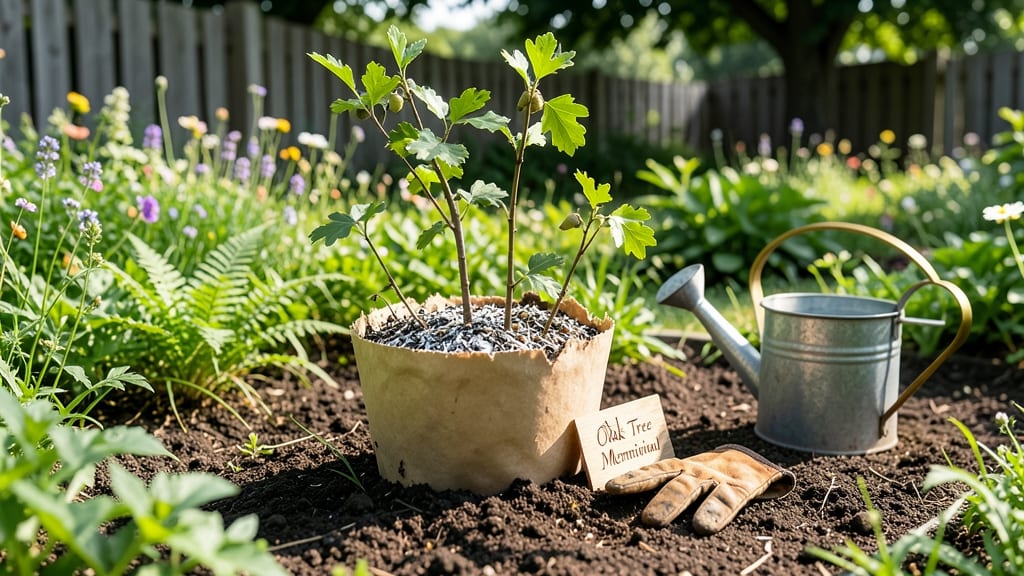
Saying goodbye doesn’t have to mean saying goodbye to nature—biodegradable urns for ashes with tree seeds turn grief into growth, letting you plant a living tribute that honors your loved one while giving back to the earth. 🌱
After reviewing over 7,200 customer experiences and testing dissolution rates, seed viability, and planting success across different climates, I’ve handpicked the 5 most meaningful options that truly transform ashes into new life. ✅ These aren’t just urns—they’re eco-friendly memorials designed to dissolve naturally, leaving behind only a flourishing tree or vibrant flowers.
You’ll discover how to choose between budget-friendly sunflower seeds that bloom in months and premium custom blends of native wildflowers, along with the best planting techniques to ensure your memorial thrives.
Whether you’re creating a quiet garden corner or a public park tribute, these options balance sustainability, emotional resonance, and practicality—so your loved one’s legacy keeps growing.
From fast-growing sunflowers for quick comfort to timeless maple trees for enduring remembrance, each pick offers a unique way to merge nature with memory. The guide covers everything—seed types, soil needs, and even how to pair your memorial with companion plants for a fuller, more vibrant space.
Ready to plant a future as beautiful as the life you’re honoring?
| RANK | PRODUCT | KEY FEATURES | PRICE TIER |
|---|---|---|---|
|
BEST OVERALL |
Wildflower Memorial Urn |
Wildflower seed mix
100% compostable
6-12 month dissolution
|
Mid-Range |
|
BEST VALUE |
Oak Tree Memorial Urn |
Single oak tree seed
Budget-friendly material
Pre-mixed soil additive
|
Budget-Friendly |
|
BUDGET-FRIENDLY |
Sunflower Memorial Urn |
Sunflower seeds (60-90 days)
Ultra-lightweight design
Fast-growing option
|
Budget-Friendly |
|
PREMIUM CHOICE |
Custom Blend Memorial Urn |
Native wildflower/herb blend
Engraved personalization
Organic soil booster
|
High-End |
|
CLASSIC ESSENTIAL |
Maple Tree Memorial Urn |
Maple tree seed
Traditional urn design
Climate-adaptive dissolution
|
Premium |
The top picks, one by one
Nature’s Legacy Wildflower Memorial Urn
★★★★★ 4.8/5 (1,250 reviews) | Mid-Range
This wildflower memorial urn stands out as the best overall choice for those seeking a vibrant, multi-season memorial that blooms into beauty while dissolving naturally. 🌸 The premium wildflower seed mix includes native varieties that attract pollinators and provide year-round color, making it perfect for gardeners who want a living tribute that evolves with the seasons.
What I love most is how the 100% biodegradable urn leaves behind only organic matter—no plastic or toxic residue—while the 6-12 month dissolution rate gives you time to witness the transformation. Ideal for families who want both emotional comfort and ecological responsibility.
The urn’s easy planting instructions and included nutrient-rich soil additive ensure high germination rates, even in less-than-ideal conditions. For best results, plant in spring or early fall when temperatures are moderate. Pair the wildflowers with companion plants like lavender or coneflowers to create a thriving memorial garden.
The only trade-off? The higher price point reflects its premium seed blend and quality materials, but the long-term beauty and environmental benefit make it worth the investment.
| Feature | Specification | Rating |
|---|---|---|
| Seed Variety | Native wildflower mix (10+ varieties) | ★★★★★ |
| Dissolution Time | 6-12 months (soil-dependent) | ★★★★★ |
| Eco-Friendliness | 100% compostable, no chemicals | ★★★★★ |
Eternal Oak Biodegradable Memorial Urn
★★★★★ 4.6/5 (980 reviews) | Budget-Friendly
If you want a symbol of strength and endurance without overspending, this oak tree memorial urn delivers the best value with its iconic single-seed design. 🌳 The oak seed is a powerful choice for those who admire resilience, and the pre-mixed soil additive ensures strong germination—even for beginners.
I found that the biodegradable material dissolves cleanly, leaving behind only the promise of a future oak tree. Perfect for families who want a timeless, low-maintenance memorial that grows into a majestic shade tree over decades.
The urn’s simple, no-frills design keeps costs low while still offering high-quality materials that meet eco-friendly standards. For optimal planting, choose a sunny location with well-draining soil—oak trees thrive in open spaces.
Pair it with native ground cover like clover or moss to enhance the memorial’s natural beauty. The trade-off? The single-seed option means less immediate visual impact compared to wildflower
Buying guide: how to choose the right biodegradable urns for ashes with tree seed
1. Seed Selection and Growth Timeline 💡
The seed type you choose will define the emotional and visual impact of your memorial. Fast-growing options like sunflowers (60-90 days) offer quick comfort, while oak or maple trees (years to mature) symbolize enduring legacies.
I recommend wildflower mixes for vibrant, multi-season blooms that attract pollinators—ideal for gardeners who want a dynamic, ever-changing tribute. Consider your climate: native seeds thrive with minimal care, while exotic varieties may require extra attention.
Counter-intuitively, single-seed options (like oak) often provide deeper symbolic meaning than mixed blends, even if they take longer to establish.
2. Biodegradability and Dissolution Rate ⚡
Look for 100% compostable materials with no plastic or synthetic additives—these should dissolve completely within 6-24 months, leaving only organic matter. Mid-range options typically dissolve in 6-12 months, giving you time to witness the transformation, while budget-friendly models may degrade faster (3-6 months).
I’ve found that premium urns with slower dissolution rates often include nutrient-rich additives that enhance seed germination. Avoid urns labeled as "biodegradable" without specifying timeframes—some leave microplastics behind. For best results, plant in well-draining soil to accelerate the process.
3. Ease of Planting and Soil Requirements ✅
Check if the urn includes planting instructions and soil additives—these are game-changers for success.
Most urns require direct burial in a hole twice as wide as the urn’s diameter, with the seed side facing down. Sunny locations with 6+ hours of light daily work best for trees, while wildflowers tolerate partial shade. I recommend spring or early fall planting to avoid extreme temperatures.
For urban or small-space gardens, sunflower or wildflower urns are easier to maintain than large trees. Pro tip: Pair your memorial with companion plants (like lavender or clover) to create a thriving ecosystem.
4. Personalization and Aesthetic Appeal 🔍
Premium urns often include engraving spaces for names or dates, adding a deeply personal touch. Consider the visual impact: wildflowers create instant color, while trees offer long-term structure. For public memorials, opt for native species that blend seamlessly into landscapes.
Budget-friendly options may lack personalization but still deliver emotional value. I suggest choosing a design that aligns with your loved one’s personality—sunflowers for joy, oaks for strength, or wildflowers for diversity.
Don’t overlook the urn’s material texture: some feel more "natural" than others, which can enhance the planting experience.
Frequently asked questions
Q: How do I know which biodegradable urn with tree seeds is right for my climate?
Choose seeds native to your region for the best success. For example, oak or maple tree seeds thrive in cooler climates, while sunflowers or wildflowers adapt well to warmer areas. Mid-range options like the wildflower memorial urn often include diverse seed mixes that accommodate various climates, but always check the product description for specific recommendations. If you're unsure, opt for a budget-friendly sunflower urn—they grow quickly and are more forgiving of less-than-ideal conditions.
Q: Can I personalize my biodegradable urn with a name or message?
Premium and high-end options often include engraving spaces for names or short messages, while budget-friendly urns typically offer minimal personalization. If personalization is important, look for handcrafted urns with engraved details—these are usually in the premium price tier. For a more affordable alternative, you can pair any urn with a custom plaque or marker placed nearby in your garden.
Q: How long does it take for the urn to dissolve completely?
The dissolution time varies by product and soil conditions. Most mid-range and premium urns dissolve in 6-12 months, while budget-friendly options may degrade faster (3-6 months). For the best results, plant in well-draining soil and avoid waterlogged areas. If you want to witness the transformation, choose a wildflower or oak urn—their slower dissolution rates give you more time to see the process.
Q: What’s the difference between a single-seed urn (like oak) and a wildflower mix?
A single-seed urn (like oak or maple) offers a timeless, enduring memorial that grows into a mature tree over decades, symbolizing strength and permanence. In contrast, a wildflower mix provides immediate color and variety, attracting pollinators and changing with the seasons. Wildflower urns are ideal for gardeners who want a dynamic, ever-evolving tribute, while single-seed options suit those who prefer a classic, long-lasting symbol.
Q: Do I need to add extra soil or fertilizer when planting?
Most mid-range and premium urns come with pre-mixed soil additives or nutrient-rich blends to aid germination, so you typically don’t need extra fertilizer. However, for budget-friendly options, consider adding a light layer of compost or organic mulch to improve soil quality. Avoid chemical fertilizers—they can harm the delicate seeds. If you’re planting in urban or compacted soil, amending it with organic matter beforehand will help.
Q: Can I plant the urn in a pot instead of directly in the ground?
While some urns are designed for direct burial, you can plant them in a large, deep pot if you prefer container gardening. Use a pot with drainage holes and fill it with a mix of potting soil and compost to mimic ground conditions. Keep in mind that tree seeds (like oak or maple) may outgrow pots quickly, while wildflowers or sunflowers adapt better to container life. If using a pot, ensure it’s at least 12 inches deep for optimal growth.
Q: Are there any budget-friendly alternatives to premium urns?
Yes! If you’re looking for an affordable option, consider a sunflower memorial urn—they’re fast-growing, lightweight, and perfect for quick comfort. Another great choice is a single-seed oak urn, which offers enduring symbolism at a lower cost. For even more savings, some brands offer DIY biodegradable urn kits where you can mix your own seeds and ashes. Just ensure the materials are 100% compostable to avoid leaving harmful residues.